
Will Ferrell: Humor, Creativity, and Lasting Influence
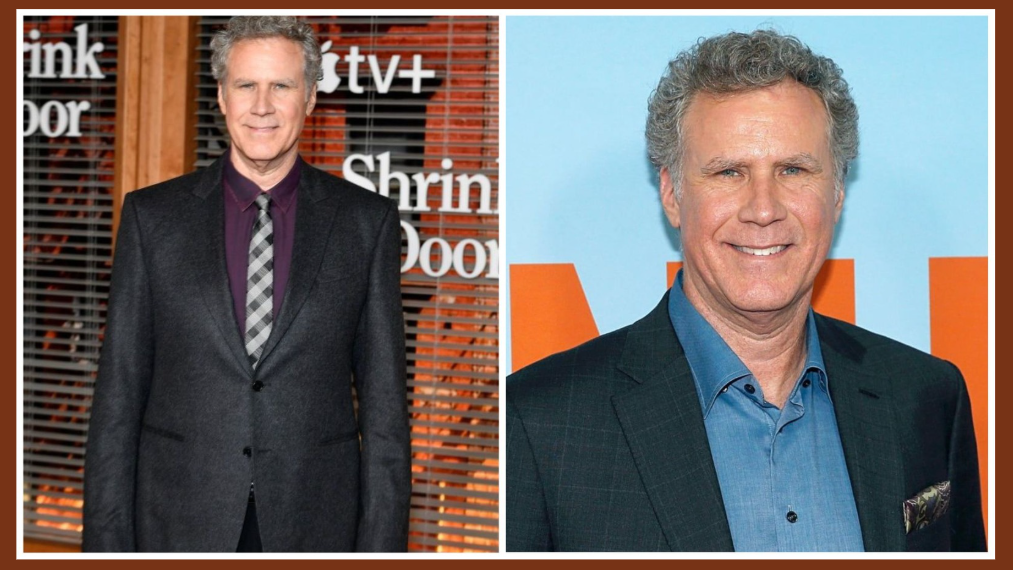
Will Ferrell has built a public career around a rare ability to make bold, exaggerated comedy feel surprisingly human. His work is often loud, physical, and unpredictable, yet its strongest moments are driven by observation and complete commitment. Behind the confident performances is a story shaped by education, improvisation training, rejection, creative risk, and discipline. His influence also reaches beyond performing through creative leadership, charitable support, and lessons about persistence.
Early Life and Family Background
John William Ferrell was born on July 16, 1967, in Irvine, California, and spent his early years in the same community. Accounts of his childhood suggest that he gradually discovered how unexpected behavior and playful performances could make other people laugh. His later comic identity was not built only on polished jokes. It grew from noticing how people responded to confidence, awkwardness, and surprise. He learned that a serious face, an unnecessary burst of confidence, or a sudden behavior change could transform an ordinary moment. That early discovery became one of the foundations of his approach: the performer must believe in the situation completely, even when it is absurd.
Education and Early Ambitions
Ferrell attended the University of Southern California and graduated in 1990 with a degree in sports information. At that stage, he had not followed a straight path toward professional comedy. His studies pointed toward sports communication and broadcasting, which appeared to offer a more conventional direction. College, however, also gave him room to test his comic instincts. In his 2017 USC commencement address, he remembered interrupting a class with a playful performance and receiving an encouraging response from the professor. Experiences like that helped him recognize that his humor could work before groups of people who did not already know him. USC later invited him back as its main commencement speaker and awarded him an honorary doctorate, presenting his career as a lesson in persistence and creative courage.
Beginning of His Comedy Career
The beginning of Ferrell’s professional journey was built on training rather than instant success. During his final year at USC, he encountered The Groundlings, a Los Angeles improvisation and sketch-comedy school known for developing performers through character work, writing, and ensemble practice. He later explained that he was pulled onstage during an audience-participation segment and became so nervous that he barely responded. Instead of treating the experience as proof that he lacked talent, he found the fear exciting. Beginning in 1991, he spent several years taking classes, appearing in small performance spaces, testing material, and learning how to remain present when an idea did not work. The Groundlings officially lists him among its notable alumni, and its improvisational culture helped him strengthen the character-building skills that later defined his public work.
A major opportunity arrived in 1995, when Ferrell joined Saturday Night Live after a demanding audition process. NBC records that he entered the long-running sketch program after working with The Groundlings, and Ferrell has described the beginning as uncertain rather than immediately triumphant. An early critic called him an annoying newcomer, but he kept the review instead of hiding from it. The gesture reflected an attitude that remained important throughout his career: criticism could be acknowledged without being allowed to define the next decision. Over seven seasons, he developed a reputation for original characters, energetic ensemble work, and full commitment to unusual ideas. The national platform increased his visibility, but the deeper achievement was proving that habits developed in smaller rooms could survive under intense weekly pressure.
Unique Style of Humor
Ferrell’s comic style is best understood through commitment. He often performs as though the most unreasonable person in a scene is completely certain that he is correct. That confidence creates tension because the audience can see the distance between the character’s self-image and reality. He also uses physical movement, facial control, repetition, sudden changes in volume, and deliberately awkward pauses. These tools may appear spontaneous, but effective improvisation depends on listening, timing, and awareness of other performers. Ferrell rarely stands outside a character and signals that he understands the joke. He enters the character’s logic and stays there. This gives his humor an unusual mixture of foolishness and sincerity, because the character often appears emotionally invested in being respected, admired, or understood.
His style is also strengthened by ensemble awareness. The Groundlings tradition emphasizes collaboration, and Ferrell’s group work often leaves space for other performers to challenge or redirect a scene. He can take attention through sheer energy, but he understands that comedy also grows through reaction. This balance between individual boldness and shared timing helps explain his durability. His approach is recognizable, yet flexible enough to work with many creative partners and across changing formats.
Creative Growth and Professional Success
Professional success did not cause Ferrell to abandon the habits of experimentation that shaped his early years. He continued to write, perform, produce, and support projects that allowed unusual comic ideas to reach broad audiences. His recognition includes the Kennedy Center’s Mark Twain Prize for American Humor in 2011, an honor associated with lasting influence on American comedy. In 2015, the Hollywood Chamber of Commerce awarded him a star on the Hollywood Walk of Fame. USC then recognized his public achievements and humanitarian work with an honorary Doctor of Humane Letters in 2017. Together, they show the breadth of his cultural reach and public influence.
Business and Creative Leadership
Ferrell’s influence also appears in his work as a creative entrepreneur. USC records that he helped launch Funny Or Die with longtime collaborator Adam McKay. Founded in 2007, the platform developed as a home for original digital comedy and later grew into an independent studio. Its importance was not limited to Ferrell’s own appearances. The larger idea was to create a place where established performers and emerging talent could test concepts, reach viewers directly, and work with fewer traditional barriers. Although the company changed ownership in 2021, its official history continues to describe a mission centered on original comedy and fresh voices. Ferrell’s involvement demonstrated that a performer could help shape the systems through which new work and new talent reached the public.
Creative leadership requires a different discipline from performing. A founder or producer must think about teams, development, and the long-term value of an idea. Ferrell’s movement into these roles expanded his influence from personal success to opportunity-building. Supporting writers and performers does not guarantee that every experiment will succeed, but it creates a culture in which unusual ideas can be tested.
Public Personality and Personal Values
Ferrell’s public personality combines self-mockery with a serious respect for effort. His USC commencement speech offered a particularly clear view of that balance. He discussed uncertainty, limited resources, poor early performances, criticism, and the fear that follows creative ambition. Rather than presenting courage as the absence of fear, he described progress as acting while fear remains present. He also challenged a narrow definition of success by connecting achievement with meaningful work, strong personal bonds, and kindness. The speech worked because it did not separate humor from advice. He used laughter to make difficult ideas easier to hear, then allowed the message to remain simple: people cannot control every response, but they can continue developing their abilities and choosing work that feels worthwhile.
His playful manner should not be confused with a lack of professionalism. Sustaining a public career across decades requires preparation, reliability, and the ability to work with many personalities. His comic image may appear chaotic, but the career behind it reflects consistency and control.
Charity and Community Support
One of Ferrell’s most clearly documented charitable commitments is Cancer for College, an organization that supports cancer survivors through educational scholarships and related assistance. The organization identifies Ferrell as its celebrity spokesperson and explains that his long involvement helped expand fundraising attention and public awareness. USC has also described him as a longtime benefactor of the charity, which was founded by his college friend Craig Pollard. His contribution has included visibility, participation in fundraising events, and sustained support rather than a single appearance. This relationship is significant because it connects his public influence with a practical educational purpose. The humor surrounding some fundraising activities attracts attention, but the result is serious: helping survivors continue their education and manage the challenges that can follow treatment.
Cultural Influence
Will Ferrell’s lasting influence comes from more than popularity. He helped strengthen a form of character comedy built on complete belief, controlled exaggeration, and fearless awkwardness. Younger performers can study his work as an example of how a ridiculous character becomes convincing when the performer understands the character’s emotional logic. His career also demonstrates the value of improvisation training, repeated collaboration, and acceptance of failure. Through Saturday Night Live, The Groundlings, digital comedy, creative leadership, public speaking, and charitable work, he has contributed to several generations of American humor. The Mark Twain Prize offers formal recognition of that impact, while his broader legacy can be seen in how performers increasingly combine character work, online experimentation, writing, and producing instead of remaining in one professional lane.
Fun Facts About Will Ferrell
Will Ferrell: Humor, Creativity, and Lasting Influence
Will Ferrell has built a remarkable career through humor, confidence, and fearless creativity. His performances often appear wild and unpredictable. However, careful timing and strong observation support his comic style. He understands how people behave in awkward situations. He then exaggerates those behaviors without losing the character’s human side.
His journey also shows the value of patience and consistent practice. Success did not arrive immediately. He trained, faced rejection, tested new ideas, and learned from difficult moments. Over time, he became a major figure in American comedy. He also expanded his influence through writing, production, business leadership, public speaking, and charitable work.
Early Life and Family Background
John William Ferrell was born in Irvine, California, on July 16, 1967. He also spent much of his childhood in that community. During his early years, he began to notice how humor affected people. He learned that unexpected behavior could quickly change the mood of a room.
Ferrell did not always act like the loud and energetic figure that audiences later recognized. He often observed people before making them laugh. This habit helped him understand facial expressions, confidence, embarrassment, and social tension. These details later became important parts of his comic style.
His family surroundings also influenced the way he viewed life. He saw both the excitement and uncertainty that can come with a creative profession. That awareness gave him a practical view of success. He understood that talent alone could not build a stable career. A performer also needed patience, discipline, and the ability to handle disappointment.
As a young person, Ferrell learned how to create humor from ordinary situations. He did not need an elaborate setup. A funny expression, serious tone, or unexpected reaction could easily make people laugh. That simple understanding became central to his later work.
Education and Early Ambitions
Will Ferrell studied at the University of Southern California. He graduated in 1990 with a degree in sports information. At that point, he had not fully committed himself to professional comedy. His education appeared to offer a more traditional path into sports communication or broadcasting.
College gave him space to explore his personality. He sometimes used humor during classes and student activities. Positive reactions helped him take his ability more seriously. He began to see comedy as more than a casual interest.
Ferrell still faced uncertainty after graduation. He did not have a guaranteed position or a clear route into the entertainment industry. Instead, he had to decide whether to pursue a safer direction or take a creative risk. He eventually chose the less predictable path.
Years later, USC invited him back as a commencement speaker.The university later honored him with an honorary doctorate. During his speech, he discussed fear, rejection, ambition, and persistence. He encouraged students to keep moving even when they felt unsure about the future.
His academic background may seem separate from comedy, but it supported useful skills. Broadcasting requires clear delivery, timing, and awareness of an audience. Ferrell later used those same abilities in a very different professional setting.
Beginning of His Comedy Career
Ferrell began developing his professional skills through The Groundlings in Los Angeles. The organization focuses on improvisation, writing, character development, and group performance. Its training system gave him a place to practice ideas in front of live audiences.
His first experience there did not go smoothly. During an audience participation moment, he felt nervous and struggled to respond. However, the experience did not push him away. It made him curious. He wanted to understand why the situation frightened and excited him at the same time.
He started taking classes in 1991. He spent several years developing his confidence and learning how improvisation worked. The training required more than quick jokes. Performers needed to listen, react, support partners, and continue a scene without a prepared script.
Those years gave Ferrell a strong foundation. He learned how to build characters from physical habits, emotional reactions, and unusual points of view. He also learned how to recover when an idea failed. That skill became important during later high-pressure performances.
In 1995, Ferrell joined Saturday Night Live. The opportunity gave him a national audience, but it also brought intense pressure. Cast members had to create new material each week. They also had to perform it before millions of viewers.
Ferrell did not receive universal praise at first. Some critics questioned his style and presence. He kept working instead of allowing those reactions to define him. His confidence grew as he developed memorable characters and improved his group performances.
Unique Style of Humor
Will Ferrell often creates humor through complete commitment. His characters rarely understand how unreasonable they appear. They speak and behave with total confidence. The audience sees the gap between their self-image and reality.
This approach makes his humor feel bold and memorable. Ferrell stays fully in character instead of explaining the humor. He accepts the strange situation as completely normal. That serious commitment makes the exaggeration more effective.
He also uses physical movement with great control. A stiff posture, sudden turn, long pause, or intense expression can change a scene. He often combines these movements with changes in volume and rhythm.
His facial expressions also play an important role. Ferrell can show pride, confusion, anger, fear, or excitement within seconds. He often pushes those emotions far beyond what the situation requires. However, he keeps enough truth in the reaction to make it recognizable.
Improvisation remains another major part of his style. Strong improvisation requires careful listening. A performer must notice small changes and respond immediately. Ferrell uses that skill to build energy with other performers rather than working alone.
His humor also depends on emotional sincerity. Many of his characters want respect, attention, control, or approval. Those needs feel familiar, even when the behavior becomes absurd. This connection gives his comedy more depth than simple exaggeration.
Creative Growth and Professional Success
Ferrell continued to grow after gaining national recognition. He explored new types of performance and took on more responsibility behind the scenes. He also worked with many writers, comedians, and producers throughout his career.
Collaboration helped him remain flexible. He could lead a scene with strong energy, but he also knew when to react. This balance made him a valuable creative partner. It also helped him avoid relying on only one kind of joke.
Major institutions later recognized his contribution to American comedy. In 2011, he received the Mark Twain Prize for American Humor. The award honored his broad influence and long-term contribution to the field.
The Hollywood Chamber of Commerce gave him a star on the Hollywood Walk of Fame in 2015. USC also honored him in 2017. These achievements reflected more than public popularity. They recognized years of creative work, professional discipline, and cultural influence.
Ferrell’s success did not remove his willingness to experiment. He continued to test unusual ideas and accept creative risks. That attitude helped him remain relevant while public tastes changed.
Business and Creative Leadership
Will Ferrell also expanded his career through business and production work. In 2007, he helped establish Funny Or Die with Adam McKay. The digital platform gave comedians and writers a place to share original work directly with audiences.
The project arrived during a major shift in online media. Digital platforms allowed creators to reach people without following every traditional industry rule. Funny Or Die used that opportunity to test short concepts and support different creative voices.
Ferrell’s involvement showed that he wanted to do more than perform. He also wanted to help create systems where other people could develop ideas. This type of leadership requires patience, judgment, and teamwork.
A performer can focus mainly on personal delivery. A producer or founder must consider the whole project. That person must think about writers, schedules, resources, audiences, and long-term direction.
Ferrell’s business work increased his influence behind the scenes. He helped build opportunities for new performers and writers. He also supported a culture that allowed creators to experiment without expecting every idea to succeed.
Public Personality and Personal Values
Ferrell’s public image often appears playful and unpredictable. However, his career suggests a serious commitment to preparation and teamwork. A person cannot sustain decades of professional work through energy alone.
His USC commencement speech offered a clear look at his values. He spoke honestly about fear and uncertainty. He did not pretend that successful people always feel confident. Instead, he explained that fear often remains present during important decisions.
He also challenged narrow ideas about achievement. Fame and professional recognition can bring opportunities, but they do not define a meaningful life. Ferrell emphasized personal relationships, kindness, purpose, and continued effort.
His advice felt effective because he mixed sincerity with humor. He made the audience laugh without weakening the message. This method highlights one of his strongest qualities. He can use comedy to discuss difficult emotions in an accessible way.
Ferrell also appears comfortable making fun of himself. That quality reduces distance between him and the audience. He does not always present himself as the smartest person in the room. Instead, he often uses embarrassment as a creative tool.
Charity and Community Support
Will Ferrell has maintained a long relationship with Cancer for College. The organization provides educational scholarships and assistance to cancer survivors. His connection to the group began through his college friend Craig Pollard, who founded the charity.
Ferrell has supported fundraising events and public awareness efforts. His presence helps attract attention, but the organization serves a serious purpose. It helps survivors continue their education after facing major physical, emotional, and financial challenges.
This charitable work reflects consistency. Ferrell did not appear for only one public event. He maintained his support across many years. Long-term involvement often creates more value than a brief campaign.
His participation also shows how public figures can use humor responsibly. Comedy can bring people together and encourage donations. It can also make a difficult subject feel less distant without ignoring its seriousness.
Cultural Influence
Will Ferrell has influenced modern comedy through character work, improvisation, and fearless performance. His approach shows that confidence can make an unusual idea more effective. A weak commitment can ruin a strong concept, while total belief can make a simple moment memorable.
Many younger performers have studied his use of physical comedy and emotional exaggeration. They can also learn from his career choices. He trained before gaining major attention. He accepted criticism, worked with others, and continued to develop new skills.
His influence extends beyond personal performances. Through production and digital media, he helped create opportunities for other creative professionals. He showed that comedians could also become founders, writers, producers, and mentors.
Ferrell’s career also reflects changes in the comedy industry. Performers now reach audiences through live stages, television, digital platforms, public events, and independent projects. His work across these areas helped support that broader creative model.
Fun Facts About Will Ferrell
Will Ferrell graduated from USC with a degree in sports information. His original academic path did not point directly toward professional comedy.
His first Groundlings stage experience made him extremely nervous. Instead of quitting, he returned and began formal training.
Ferrell kept a negative review from his early Saturday Night Live years. He used the criticism as motivation rather than allowing it to stop him.
USC invited him to deliver its commencement speech in 2017. He later received an honorary doctorate from the university.
His support for Cancer for College grew from a university friendship. That connection later developed into a lasting charitable partnership.
Conclusion
Will Ferrell built his influence through more than natural humor. He trained for years, accepted rejection, improved his timing, and developed a distinctive performance style. His characters often appear chaotic, but careful observation supports their behavior.
He also moved beyond performing. Ferrell became a writer, producer, founder, public speaker, and charitable supporter. These roles allowed him to shape comedy from several directions.
His career offers a useful lesson about creative success. Confidence matters, but persistence matters more. Fear does not always disappear before an important decision. People often need to act while uncertainty remains.
Will Ferrell continues to stand out because he combines bold humor with discipline and sincerity. His lasting influence comes from his willingness to experiment, support others, and fully commit to every creative moment.
Read more: Edward Norton: Environmental Advocacy, Entrepreneurship, and Public Impact