
Top 8 Low-Maintenance Gardens Winning British Homes
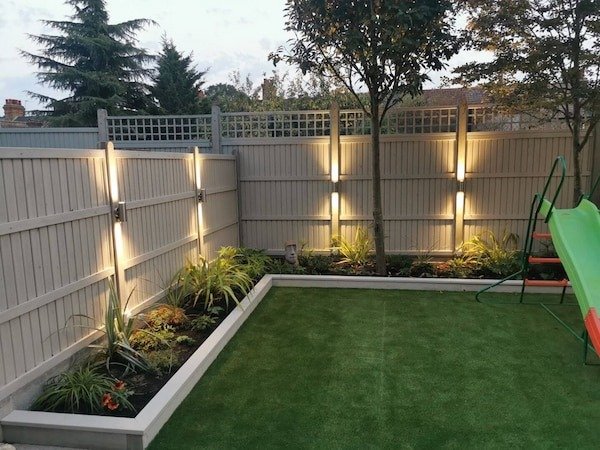
Most people picture gardening as a weekend-consuming hobby that involves muddy knees, an aching back, and a worrying amount of money spent at the garden centre.
But what if your garden could look genuinely brilliant without demanding that level of sacrifice? Across the UK, homeowners are waking up to the fact that a stunning garden doesn’t have to take over their weekends.
Here are the garden styles proving that point, one low-effort square metre at a time.
1. Rock Garden Elegance
Rock gardens have come a long way since the jagged, slightly sad-looking piles of stones found in 1970s suburban front yards. Unlike a lawn that demands a weekly trim, these heavy stones provide a permanent structure that remains unchanged regardless of the weather.
They occupy the physical space where weeds would usually thrive, drastically reducing the time you spend on your knees with a trowel.
You can tuck hardy alpines and succulents into the crevices, as these species are notorious for surviving in thin soil and harsh conditions.
Once these plants are established, they spread slowly to create a beautiful tapestry of colour against the grey stone. Because the area is mostly rock and gravel, you won’t find yourself pulling out stubborn dandelions every five minutes.
2. Cottage Garden Charm
A cottage garden sounds romantic, and it is, but it also happens to be surprisingly forgiving once it’s properly established.
The trick is to choose hardy perennials like lavender, foxglove, and hardy geraniums that return reliably every year without needing to be replaced.
These plants fill in the space naturally over time, crowding out weeds and creating that wonderfully lush, slightly unruly look that makes cottage gardens so appealing.
Because the style celebrates a certain relaxed abundance, you don’t need to stress about perfection. A slightly overgrown foxglove or a lavender bush that’s sprawled a little beyond its border only adds to the charm.
3. Herbaceous Border Garden
A well-planned herbaceous border is one of those garden features that genuinely rewards a bit of effort with years of low-maintenance payoff.
The keyword there is planned. Choosing the right mix of perennials—plants like rudbeckia, salvia, and echinacea—means your border will fill out, flower, and die back in a natural cycle. Plant them in generous clumps, mulch the soil well, and let them establish naturally.
In the UK, where the growing season is fairly reliable, a good herbaceous border will provide colour from late spring right through to early autumn. Divide the clumps every few years, and you’ll have more plants than you know what to do with.
4. Eco-Friendly and Water-Wise Garden
This style has gone from niche to mainstream in recent years, and with good reason. Water bills are rising, summers are getting drier, and gardens shaped by local conditions are simply more sensible.
A water-wise garden relies on drought-tolerant plants, permeable paving, and smart soil management to keep everything looking healthy without constant irrigation.
Ornamental grasses, sedums, and Mediterranean herbs are all excellent choices that genuinely need very little water once established.
Adding a water butt to collect rainfall is a simple upgrade that makes a real difference. Pair that with a gravel mulch to reduce evaporation, and you’ve got a garden that practically runs itself through dry summer days.
5. Modern Minimalist Elegance
Sometimes less really is more, and a minimalist garden is perhaps the ultimate proof of that philosophy.
Clean lines, a limited plant palette, and the clever use of materials like slate, composite decking, and architectural grasses create an outdoor space that looks expensive.
There are no fussy flower beds to deadhead, no sprawling shrubs to wrestle into shape, and no complicated seasonal planting schemes to manage.
The maintenance largely comes down to keeping hard surfaces clean and occasionally trimming a neatly clipped hedge or ornamental grass. For busy homeowners in the UK who want curb appeal without the calendar commitment, this style is difficult to beat.
6. Seasonal Garden Style
A seasonal garden is built around the idea that your outdoor space should look its best at the times of year when you actually want to use it.
Rather than trying to maintain a garden that performs twelve months a year, which is genuinely exhausting, you concentrate your efforts on the seasons that matter most to you.
Spring bulbs, summer perennials, and autumn-fruiting shrubs can be combined to create a garden that shifts beautifully through the year with very little ongoing intervention.
It also means you’re not constantly battling the UK’s unpredictable weather. Instead, you choose plants suited to each season—ones that actually thrive in British conditions rather than demand constant attention.
7. Woodland Garden Style
If your plot has some shade, a woodland garden turns what most gardeners see as a problem into a genuine asset.
Shade-tolerant plants like ferns, hostas, hellebores, and astilbes create a layered, textured planting that looks almost completely natural once established.
The leaf litter from any nearby trees acts as a natural mulch, suppressing weeds and feeding the soil without you having to do a thing.
A woodland garden provides an excellent habitat for wildlife, a feature you’ll likely appreciate if you want to support local biodiversity. Native trees and hardy ferns help the local ecosystem and offer a shaded, peaceful escape from the midday sun.
This setup looks great and supports your local environment, which is a fair trade for a space that asks so little of you in return.
8. Gravel Garden Style
A gravel garden is perhaps the most low-maintenance option on this list, which makes it an enduringly popular choice for homeowners who want results without the weekly upkeep.
Gravel suppresses weeds effectively, retains heat that plants like lavender and cistus love, and drains freely so that the plants sitting in it never suffer from waterlogged roots.
Lay a membrane beneath the gravel before you start, and you’ll reduce the weeding workload to almost nothing.
If you’re not sure where to begin, hiring a professional landscaping service is a worthwhile investment. Many homeowners find that a consultation with a local garden designer is the easiest way to bring low-maintenance gardens to life without the guesswork.
Conclusion
Your garden should be a place where you can sit down and relax, not a source of constant weekend guilt. And moving away from high-maintenance lawns is the best gift you can give to your future self and your property’s value.
So, put down the trowel, step away from the hedge trimmer, and start planning for a low-maintenance space. With a little bit of smart design, your garden will be the envy of the street. After all, life is far too short to spend it arguing with a dandelion!