
Technology Supporting Better Decision-Making for Life Goals
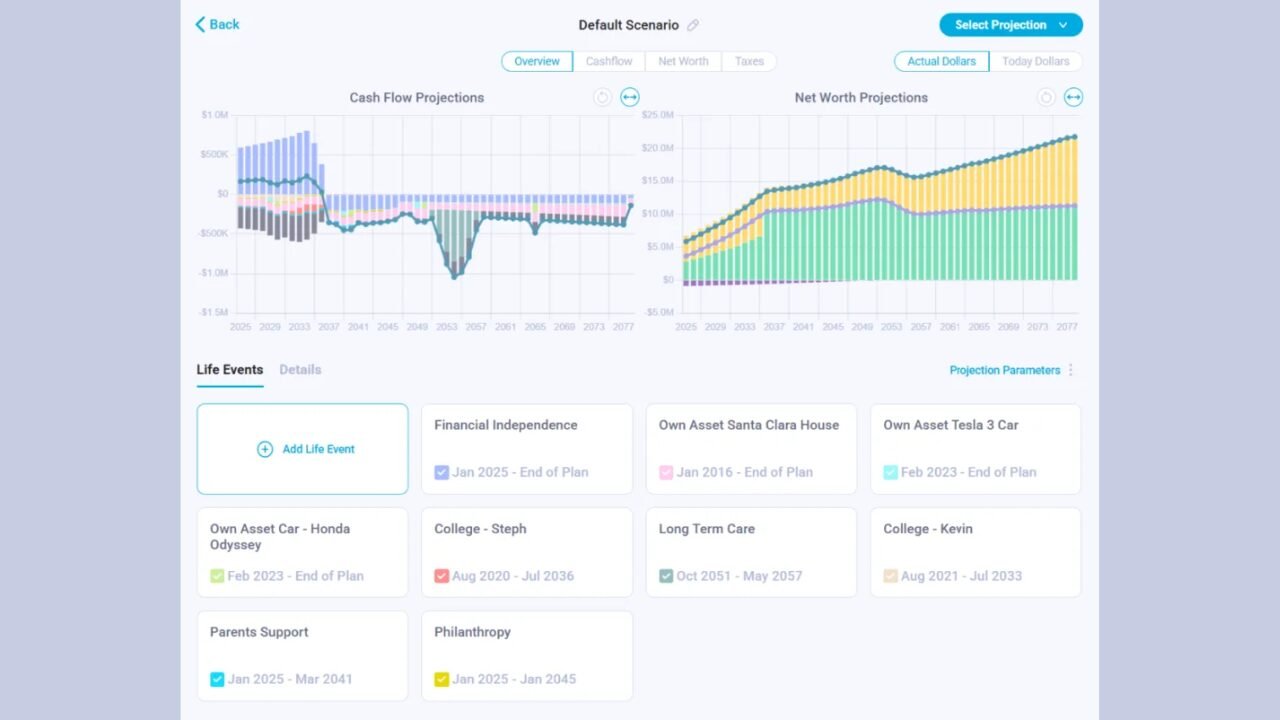
Setting meaningful life goals is easy; building a clear path to achieve them is where most people struggle. Whether it’s planning for retirement, buying a home, or funding education, the challenge is rarely ambition; it’s translating those ambitions into structured, actionable steps. Without clarity, even the most important goals remain general ideas.
Today’s financial planning technology helps bridge that gap by turning personal priorities into measurable plans. Modern tools combine forecasting, automation, and scenario analysis to help individuals make informed decisions that align with their long-term vision, making progress more consistent and less overwhelming.
Matching Your Life Goals to Tools That Actually Get It
Here’s the thing nobody tells you: technology can’t choose your priorities. But it can help you stop ignoring them.
Whether you’re eyeing a career switch, saving for a home, or sketching out an early retirement, today’s retirement planning tools and goal-based platforms have gotten genuinely good at turning your real-life priorities into numbers you can track.
Old-school rules of thumb? Honestly, toss them. Solid financial forecasting and personalized retirement planning strategies work from your actual situation, not some generic 30-year-old’s.
Picking the right personal financial planning software before you even touch an app might be the most underrated move you make this year.
Begin by imagining the kind of life you want to live. Not with a calculator. When you lead with your goals, everything else clicks into place faster.
Map Your Goals Before You Download Anything
Seriously, don’t open the app store yet. Know what you want first, then find tools that fit.
A simple Life Goals Map sorts your short, medium, and long-term targets by timeline and importance. Goal-based financial planning tools are built for exactly this. They convert fuzzy ambitions into dollar figures and deadlines. College fund? Mortgage payoff? Financial independence by 50? Each one gets a lane.
And look, most of us can’t fund every dream at once. That’s just reality. But planning apps with scenario analysis let you see trade-offs in real time. What happens if you delay retirement two years?
Bump your savings rate by 3%? Suddenly, “everything feels urgent” turns into “here’s my actual priority list.” That shift alone is worth the subscription fee.
The Tech Categories Worth Your Attention
There’s no single magic app. Most people who achieve their financial goals rely on a small “tech stack”, a few tools working together to manage tracking, planning, and future projections.
Your daily money management app should support the bigger picture by helping you track spending and connect transactions to specific goals, keeping cash flow projections realistic and aligned with your priorities.
Goal-based planning tools go beyond basic calculators by supporting multiple goals, tracking progress, and helping you evaluate trade-offs between competing priorities.
Specialized retirement planning and scenario modeling tools take this a step further by offering features such as Social Security projections, Monte Carlo simulations, and withdrawal strategies, including Roth conversions and required minimum distributions.
They also allow you to test potential life changes, like career breaks or relocation, so you can understand the impact before making major decisions.
What to Look For in the Best Personal Financial Planning Software
When you’re evaluating the best personal financial planning software, a few things should be non-negotiable: multi-goal support, Social Security modeling, scenario analysis, and solid data automation.
UX matters more than people admit. A beautiful net worth dashboard that confuses you every time you open it? Useless. Encryption and two-factor authentication? Not optional, ever.
Match the tool to your actual complexity. If your finances are fairly simple, a good financial goals calculator app does the job. Running a business, juggling real estate, and planning cross-border?
You’ll want advanced financial projection software with income tax analysis and detailed cash flow forecasting.
Retirement Planning Strategies Inside Modern Tools
Here’s what’s changed: retirement planning isn’t static anymore. You set your target lifestyle cost, and the software back-calculates what portfolio size you need, then runs inflation, longevity, and market scenarios against it.
Good platforms integrate retirement tax planning, model multiple income streams, and sequence withdrawals intelligently, including Roth conversions and Monte Carlo retirement simulation to account for the fact that markets are unpredictable and life is messier than a spreadsheet.
Monte Carlo financial planning gives you a probability of success, not just a hopeful number. That’s a genuine difference when you’re making real decisions.
Using Forecasting for Day-to-Day Choices
This is where it gets practical. Financial forecasting isn’t just for big annual reviews; it’s for next month’s job offer, that side business you’re considering, and the grad school question. Even fire-planning scenarios can now be tested using the same financial planning tools that wealth managers use.
Build net worth projections, split spending into needs and wants, and run long-term scenarios for different paths before committing. If a goal flashes “at risk,” adjust your cash flow projections, tweak the savings rate, or shift the timeline until the plan is healthy again.
AI and Automation, Let the Tech Do the Grunt Work
Automated transfers hit each goal bucket on payday. AI flags when your behavior drifts from your plan. Whether it’s net worth tracking or surfacing a better tax planning software option, automation keeps you accountable without the guilt spiral.
Build One “Source of Truth” and Actually Use It
Your master financial planning tool should be the hub. Connect budget apps and investment platforms to it for monthly check-ins, quarterly reviews, and annual updates when life or tax laws shift. Keep every transaction tied to an underlying goal.
Watch These Common Pitfalls
Don’t worship a “success score” without checking its assumptions. Don’t stack up so many dashboards, from 351 exchange fund trackers to crypto widgets, that you lose focus entirely. And always factor in the emotional side of big decisions. Tools are smart. They’re not human.
READ MORE
Final Words
Technology alone won’t define your future, but it can make the path toward your goals clearer, more measurable, and easier to stay committed to. When the right financial planning tools align with your real priorities, decisions become less reactive and more intentional. Instead of guessing whether you’re on track, you gain a working roadmap that adapts as your life evolves.
The key is consistency. Choose tools that simplify complexity, automate progress, and help you evaluate trade-offs with confidence. With a reliable system supporting your decisions, long-term goals stop feeling distant and start becoming achievable milestones.
Frequently Asked Questions
How can technology help improve decision-making for life goals?
Technology provides data-driven insights, forecasting tools, and automation that make it easier to align daily financial choices with long-term goals. It reduces guesswork by showing how current actions affect future outcomes. With scenario analysis, you can evaluate options before committing to major decisions.
What features should I look for in financial planning software?
Look for tools that support multiple goals, offer scenario modeling, and automate data tracking from your accounts. Strong security features like encryption and two-factor authentication are essential for protecting sensitive financial information. A clear dashboard that connects spending, saving, and investing helps maintain consistency.
Can financial planning tools adjust when my life goals change?
Yes, modern tools are designed to adapt as your income, priorities, or timelines evolve. Scenario modeling allows you to test different paths and adjust savings rates or milestones accordingly. This flexibility helps keep your plan realistic and aligned with real-life changes.