
Power Connectors: Types, Standards, and Applications Explained
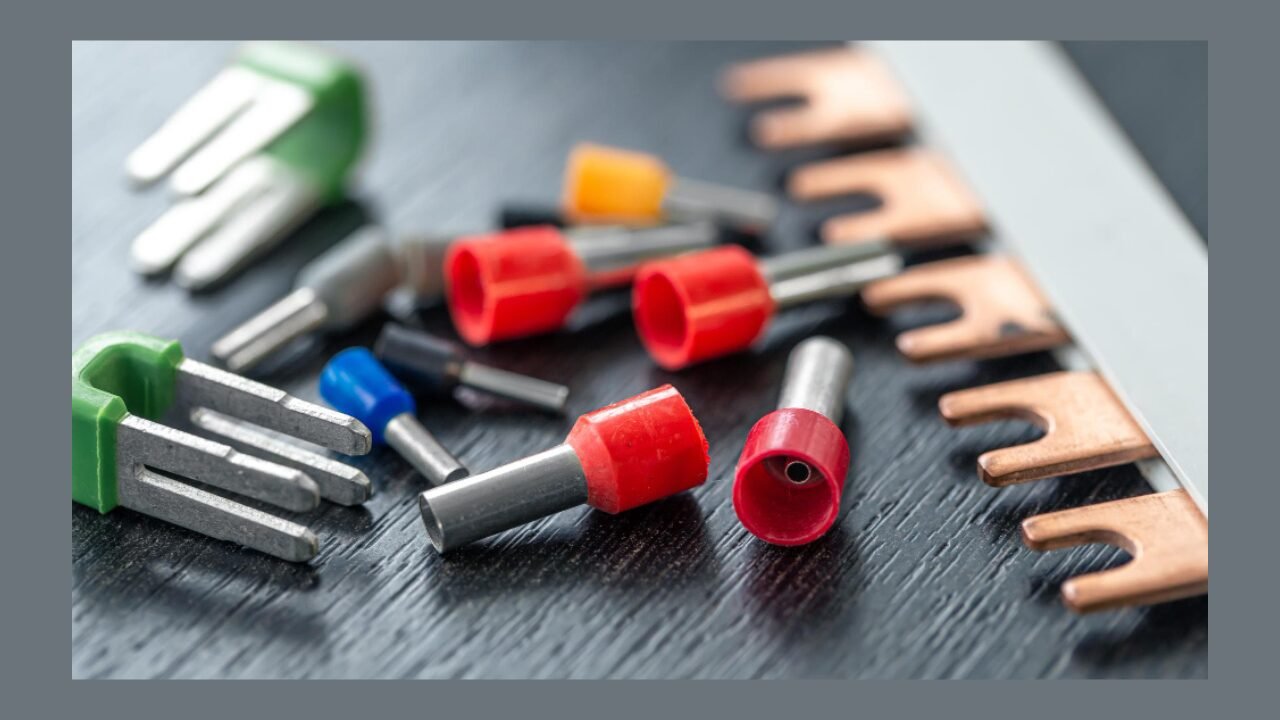
Power connectors enable your devices to receive power safely and reliably. They come in many designs to handle a range of voltage and current requirements, from small electronics to industrial equipment.
What Are Power Connectors
Power connectors are electrical components that transfer current and voltage from a power source to your device. They differ from data connectors because their main job is moving electrical energy, not information.
These connectors can carry AC or DC power. You’ll find them everywhere, from the plug on your laptop charger to the connections inside data centers. Some types combine power and data, but most focus only on delivering electricity safely.
Key Components and Design Features
Power connectors include contacts that carry current, insulators that prevent short circuits, and housings that protect internal components. The contacts are usually made of copper or brass to ensure good electrical conductivity.
Your connector’s design depends on its current rating. Higher-power connectors, such as Phoenix Contact’s industrial models, use thicker contacts and better heat dissipation than standard consumer plugs.
Safety Considerations and Standards
Power connectors must comply with safety standards such as IEC 60320 for equipment connections. These standards set requirements for current ratings, temperature limits, and voltage handling.
You should match your connector’s amp rating to your device’s power draw. Using an undersized connector creates a fire risk due to overheating.
Types of Power Connectors
Power connectors come in several designs, each suited for different voltage levels, current requirements, and applications. The main types include barrel connectors for low-power devices, busbar connectors for high-current distribution, coaxial designs for stable power delivery, and DC connectors for direct current applications.
Barrel Connectors
Barrel connectors are cylindrical power plugs you’ll find on many small electronics. They have a central metal pin and an outer sleeve that form the connection. You’ll see these on laptop chargers, routers, and LED strips.
These connectors come in different sizes, measured by their outer diameter and inner pin diameter. Standard sizes include 5.5mm x 2.1mm and 5.5mm x 2.5mm. They typically handle 5V to 24V and up to 5 amps of current.
Busbar Connectors
Busbar connectors link electrical conductors to busbar systems in power distribution panels. They handle high currents and create solid connections in industrial settings.
Coaxial Power Connectors
Coaxial power connectors use a center conductor surrounded by insulation and an outer shield. This design protects against interference and maintains stable power delivery.
DC Power Connectors
DC power connectors transfer direct current from power sources to your devices. They include barrel jacks, terminal blocks, and specialized plugs designed for battery-powered equipment and solar applications.
Specialty and Rugged Power Connectors
When you need power connectors for demanding applications, specialty and rugged options provide the durability and protection standard connectors can’t match. These connectors handle high currents, resist environmental damage, and maintain reliable performance in extreme conditions.
Industrial and High-Amp Connectors
Industrial power connectors deliver high current capacity for heavy-duty equipment and machinery. You’ll find options ranging from 30 A to 1,200 A, depending on your application requirements.
These connectors use specialized contact systems for reliable performance. PowerStrip connectors offer 23 to 58.7 A per blade for higher current; for even higher current, EXTreme Ten60Power connectors deliver 60 A while maintaining a low 10mm profile for better airflow.
Environmental Rating: IP65, IP67, and IP69
IP ratings indicate how well a connector resists dust and water. The first digit indicates solid-particle protection, while the second indicates liquid protection.
IP65 protects against dust and low-pressure water jets. IP67-rated seals protect against dust and withstand immersion up to 1 meter for 30 minutes. IP69 offers the highest protection, resisting high-pressure, high-temperature washdowns.
Connectors for Harsh Environments
Harsh environment connectors withstand extreme temperatures, vibration, chemicals, and physical stress. They use ruggedized materials and advanced contact systems to maintain performance where standard connectors fail.
Look for features such as Tiger Eye contacts rated for 1,000+ mating cycles and hyperboloid contacts for extreme reliability. Sealed designs protect against moisture and contaminants in marine, outdoor, and industrial settings.
Connector Configurations and Pinouts
Understanding how power connectors are configured helps you choose the right connector and avoid damaging your equipment. The pin arrangement determines which signals go where, and getting it wrong can cause serious problems.
8 Pin Connectors
8-pin connectors are standard in computer power supplies and provide either 12-volt power to CPUs or power to graphics cards. The EPS 8-pin connector uses four ground pins (black wires) and four +12 volt pins (yellow wires). Each pin can handle about 7 A, for a total of up to 336 W.
You need to pay attention because 8-pin CPU power connectors look similar to 8-pin PCI Express connectors, but they’re not the same. CPU power cables have yellow wires on the clip side, while PCI Express cables have black wires on the clip side. The connectors are keyed differently to prevent incorrect connections.
Single-Pin and Multi-Pin Options
Single-pin connectors work for simple DC power applications. Coaxial connectors use this approach with a center pin for positive voltage and an outer barrel for ground.
Multi-pin connectors let you deliver multiple voltages through one connection. The 24-pin ATX connector provides +3.3V, +5V, +12V, 12V, and ground in a single connector. This reduces cable clutter and improves connection reliability.
Polarity and Pin Arrangement
Getting polarity right matters because reversed connections can destroy your equipment. Most connectors use physical keying with square or round pins to prevent reverse insertion. Wire colors follow standards: yellow for +12V, red for +5V, orange for +3.3V, and black for ground.
READ MORE
Applications and Use Cases
Power connectors connect your devices to power sources across many settings, from phones charging at home to heavy machinery running in factories.
Consumer Electronics
You’ll find power connectors in nearly every electronic device you use daily. USB connectors charge your smartphones, tablets, and wireless earbuds. DC power connectors supply electricity to your laptops, monitors, and gaming consoles.
Your wall outlets use standard power plugs to connect appliances like refrigerators, microwaves, and coffee makers. Inside your computer, specialized connectors deliver power from the supply unit to hard drives, graphics cards, and cooling fans.
Industrial Equipment
Factories rely on heavy-duty power connectors for their machinery and automated systems. These connectors handle high currents and temperatures in demanding environments. Your manufacturing equipment, robotics, and assembly lines need connectors that withstand constant use and vibration.
Data centers use specialized power connectors for servers and networking equipment. These facilities require reliable connections that support high-power loads and prevent downtime.
Automotive and Transportation
Your car uses battery cables and power connectors throughout its electrical system. Modern electric vehicles depend on charging connectors that safely transfer high voltage from charging stations to batteries.
Aircraft and trains use certified power connectors designed for harsh conditions and strict safety standards.