
Beyond the Tourist Trail: London’s Neighbourhood Food Gems Worth Discovering
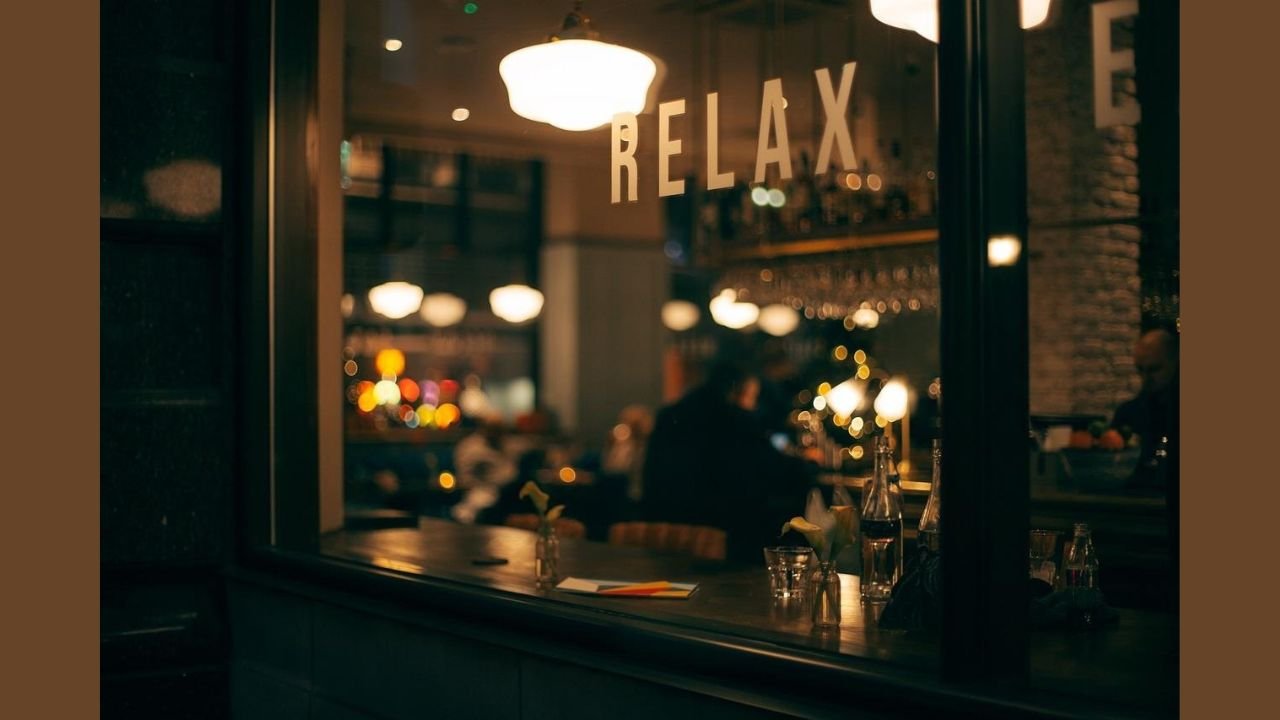
London’s most memorable food discoveries are not always found in its busiest restaurant districts. From a century-old East End bakery to a Camden Mediterranean kitchen, these are the places that reward a little curiosity.
Where can you find London’s best lesser-known places to eat?
Some of London’s most interesting food destinations are tucked into residential streets, local shopping parades and neighbourhoods that rarely feature in conventional tourist itineraries. For visitors looking beyond the usual restaurant recommendations, Durak Tantuni in Wood Green, Rinkoffs in Whitechapel, and Hai Cafe in Clapton offer four very different ways to explore the capital’s food culture.
They are not all hidden in the literal sense. Some have loyal local followings, while others are already appreciated by food writers. What connects them is a strong sense of place, a distinctive culinary offering and an experience that cannot easily be replicated by a national restaurant chain.
London’s restaurant scene is often associated with Soho, Mayfair and Borough Market. Yet the city’s culinary identity extends much further, shaped by successive generations of migration, independent businesses and neighbourhood communities. For anyone searching for hidden restaurants in London, understanding that wider food culture is just as important as finding a secluded table.
Durak Tantuni: A neighbourhood speciality in Wood Green
Some of the strongest candidates for London’s hidden food discoveries are restaurants built around a particular dish. Durak Tantuni, on West Green Road in Wood Green, is one such example.
Durak Tantuni is a small, informal Turkish eatery specialising in tantuni, a traditional street-food dish originating from Mersin in southern Turkey. Its focus on this regional speciality makes it a distinctive alternative to more conventional Turkish restaurant menus.
This Turkish preparation combines spiced, cooked beef with thin lavash bread, parsley, onions and tomatoes. Lemon and pickled chillies provide contrast to the meat.
What makes Durak Tantuni a particularly useful recommendation is its clarity of purpose. Rather than offering an extensive menu designed to satisfy every possible taste, it is associated with a recognisable regional speciality.
For people exploring London’s Turkish food scene, this is a more informative starting point than relying exclusively on restaurants in central tourist districts.
Its Wood Green location also encourages visitors to look at North London’s wider restaurant culture.
Hai Cafe: Family-run Vietnamese food in Clapton
Clapton has developed a varied independent dining scene, and Hai Cafe demonstrates why smaller neighbourhood restaurants deserve attention.
Located on Lower Clapton Road, Hai Cafe is a family-run Vietnamese restaurant specialising in home-style cooking, with an emphasis on traditional recipes and dishes prepared from scratch.
Its food includes slow-cooked broths, fresh Vietnamese herbs and dishes such as crab and chicken spring rolls. These preparations reflect the balance of fresh ingredients, aromatic flavours and contrasting textures commonly associated with Vietnamese cuisine.
Unlike venues built around elaborate interiors or novelty experiences, Hai Cafe represents a simpler type of restaurant discovery: a small, locally valued establishment with a distinctive culinary identity.
It is also an example of how a restaurant can be relatively unknown outside its neighbourhood without being remotely obscure to the people who live nearby.
That distinction matters. Describing every independent restaurant as a secret risks overlooking the communities that have supported these businesses for years.
Rinkoffs: A century of baking in East London
One of the most compelling independent food destinations in East London is Rinkoffs, a family bakery whose history stretches back to 1911.
Hyman Rinkoff arrived from Ukraine with traditional recipes and opened his first bakery on Old Montague Street. More than a century later, successive generations have continued the business, making it part of the culinary history of Whitechapel and the surrounding East End.
The bakery produces traditional Jewish breads and pastries, including challah, alongside contemporary creations such as its Crodough, a croissant-doughnut hybrid.
Jennifer Rinkoff, a fourth-generation member of the family, is involved in product development and marketing. The company’s history also includes generations of relatives, long-serving employees and customers whose connection to the bakery extends over decades. The result is a food business where the relationship between people and place is as important as the products on the counter.
Visitors can find Rinkoffs at 224 Jubilee Street or its deli at 79 Vallance Road. Its independent character, long history and culinary traditions make it a worthwhile stop for anyone exploring East London’s less obvious food attractions.
Caravel: A genuinely unusual restaurant setting
For diners who interpret hidden restaurants literally, Caravel provides a more direct answer.
Caravel is a restaurant aboard a converted barge moored on the Regent’s Canal near Shepherdess Walk in Islington. Its intimate waterside setting offers an unusual alternative to London’s traditional dining rooms, allowing guests to enjoy a meal in a space that retains the distinctive character of its original vessel.
The restaurant serves contemporary British-European bistro cooking, with a menu influenced by seasonal ingredients and a mixture of traditional and modern culinary approaches. Its combination of a canal-side location and an intimate dining space makes the setting an important part of the experience.
Unlike a neighbourhood bakery or an established local café, Caravel answers the question of where to find a restaurant in an unexpected physical location.
It is therefore useful to distinguish between two categories: restaurants that are geographically or architecturally concealed, and restaurants that are simply overlooked by visitors.
Both can be worthwhile, but they satisfy different expectations.
What makes a restaurant a genuine hidden gem?
A useful definition involves more than being difficult to find.
The strongest candidates tend to share several characteristics:
- A distinctive food identity: A speciality, culinary tradition or approach that gives diners a clear reason to visit.
- A meaningful relationship with the neighbourhood: The restaurant or food business contributes to local life rather than functioning purely as a tourist attraction.
- Independent character: A recognisable identity that is not interchangeable with a chain.
- A sense of discovery: The venue offers something visitors might miss by following only mainstream restaurant rankings.
These characteristics explain why a traditional bakery such as Rinkoffs can be relevant to a food-discovery itinerary even though it should not be labelled a sit-down restaurant.
They also explain why an unusual venue such as Caravel and a small specialist café such as Durak Tantuni can both belong in the same conversation.
READ MORE
Which London food destinations offer the most balanced experience?
A satisfying exploration of London should combine different kinds of places rather than treating every meal as a search for the city’s next fashionable restaurant.
Durak Tantuni introduces a distinctive Turkish speciality; Hai Cafe illustrates neighbourhood Vietnamese cooking; Rinkoffs offers historical and cultural depth; and Caravel adds an unusual dining setting.
Together, they offer a broader understanding of London’s food identity, from family heritage and migration to independent cooking and unconventional restaurant spaces.
The city’s most rewarding discoveries are not necessarily the least famous. They are the places that give visitors a better understanding of the neighbourhoods around them.