
How Lighting Technology Has Evolved in Modern Homes and Workplaces
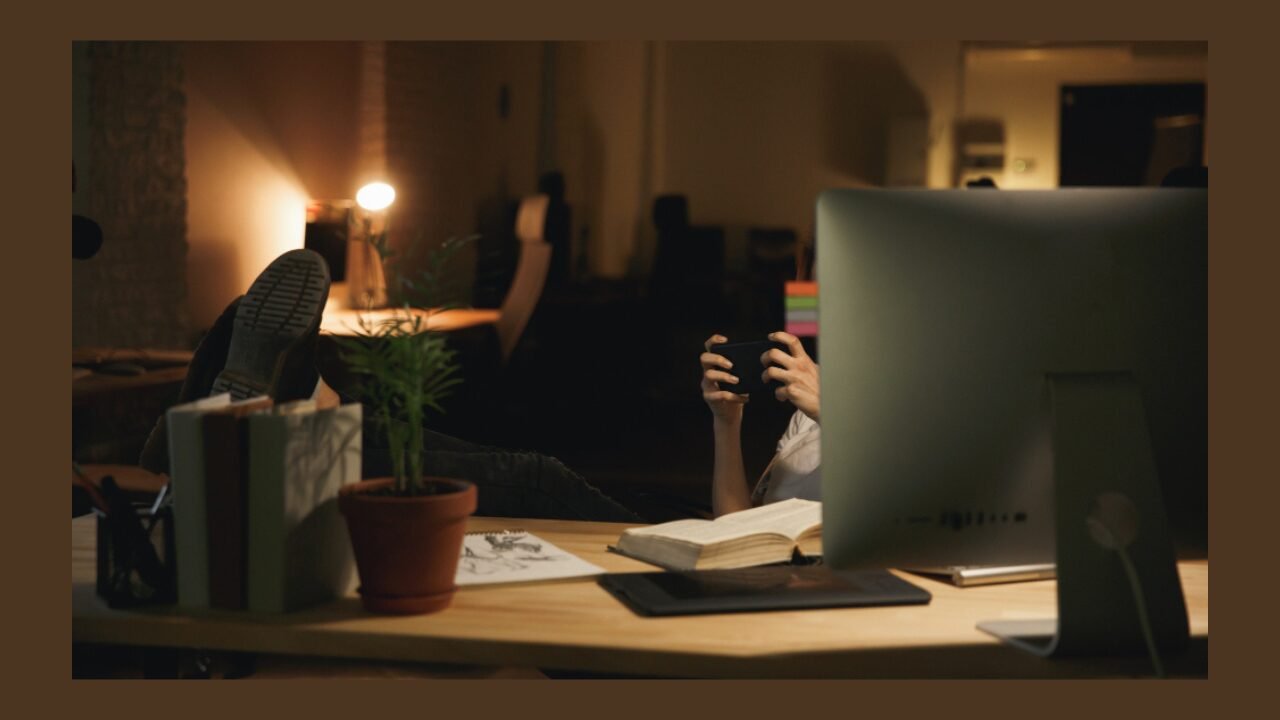
Artificial lighting has undergone significant transformation over the past century, evolving from basic illumination to a complex system that influences energy efficiency, productivity, wellbeing, and design. As buildings have become more technologically advanced, lighting has shifted from a purely functional necessity to an integral component of the built environment.
Understanding how lighting technology has evolved helps explain broader changes in construction practices, interior design, and environmental sustainability.
Early Developments in Artificial Lighting
Early artificial lighting relied on open flames and incandescent sources, which provided limited control over brightness and consumed large amounts of energy. These systems generated significant heat and offered minimal efficiency, making them costly and impractical by modern standards.
The introduction of fluorescent lighting marked a major step forward, particularly in commercial and industrial settings. Fluorescent lamps improved energy efficiency and lifespan, but they were often criticised for limited design flexibility and inconsistent light quality.
These early developments laid the groundwork for further innovation in lighting technology.
The Rise of LED Lighting
Light-emitting diode (LED) technology represents one of the most significant advancements in modern lighting. LEDs offer high energy efficiency, long operational life, and improved control over colour temperature and brightness.
Unlike earlier lighting systems, LEDs convert a greater proportion of energy into light rather than heat. This efficiency has contributed to widespread adoption across residential, commercial, and institutional buildings.
LED lighting has also enabled more compact designs, allowing fixtures to be integrated into architectural features rather than existing as standalone elements.
Lighting Design and Human-Centred Spaces
As lighting technology has improved, attention has increasingly turned to how lighting affects human experience. Research has shown that light quality influences mood, concentration, circadian rhythms, and overall comfort.
Modern lighting design often considers factors such as colour temperature, glare reduction, and adaptability throughout the day. In workplaces, lighting is designed to support productivity and reduce eye strain, while in homes, it contributes to comfort and atmosphere.
These considerations reflect a shift toward human-centred design, in which lighting supports both physical and psychological well-being.
Smart Lighting and Digital Integration
Advances in digital technology have led to the development of smart lighting systems that can be controlled remotely or programmed to respond to environmental conditions.
Smart lighting allows users to adjust brightness, colour, and timing through connected devices. In commercial environments, these systems can respond to occupancy patterns, reducing energy consumption when spaces are unoccupied.
Integration with building management systems further enhances efficiency and supports sustainability goals.
Access to Modern Lighting Technologies
The availability of modern lighting products has expanded significantly with the growth of digital retail platforms. Online access has made a wider range of lighting technologies available to both professionals and consumers, supporting informed decision-making and specification.
Referencing examples of a professional lighting products provider can help illustrate how contemporary lighting solutions are sourced and applied in real-world contexts. These examples demonstrate how technological advancements are translated into practical options for modern interiors.
From an academic perspective, this highlights the relationship between technological innovation and market accessibility.
Sustainability and Energy Considerations
Lighting accounts for a significant proportion of energy use in buildings. As a result, advances in lighting technology play an important role in reducing overall environmental impact.
Energy-efficient lighting reduces electricity consumption and supports broader sustainability targets. Longer-lasting products also reduce waste and the environmental costs associated with manufacturing and disposal.
These factors make lighting technology a key area of interest within studies of sustainable construction and environmental design.
Lighting Technology in Contemporary Design Practice
Modern design practice increasingly integrates lighting into planning at an early stage. Rather than treating lighting as an afterthought, designers now consider how light interacts with space, materials, and user behaviour.
This integrated approach allows lighting systems to enhance architectural intent while supporting efficiency and usability. It also reflects the growing recognition of lighting as a fundamental component of building performance.
For students and researchers, examining these practices provides insight into how technology, design, and regulation intersect.
Future Directions in Lighting Technology
The evolution of lighting technology continues as research explores new materials, adaptive systems, and biologically responsive lighting. Developments such as tunable white light and circadian lighting systems are likely to become more prevalent as understanding of human-light interaction deepens.
As buildings become smarter and more connected, lighting will continue to play a central role in shaping efficient, comfortable environments.
READ MORE
Final Thoughts
Lighting technology has evolved from basic illumination to a sophisticated system that influences how spaces are used and experienced. Advances in efficiency, control, and design have transformed lighting into a key component of modern homes and workplaces.
Understanding this evolution provides valuable context for studies in architecture, construction, and environmental design. As technology continues to develop, lighting will remain a critical area of innovation within the built environment.