
The Essential Guide to Handheld Tools: Building a Reliable Kit for DIY Success
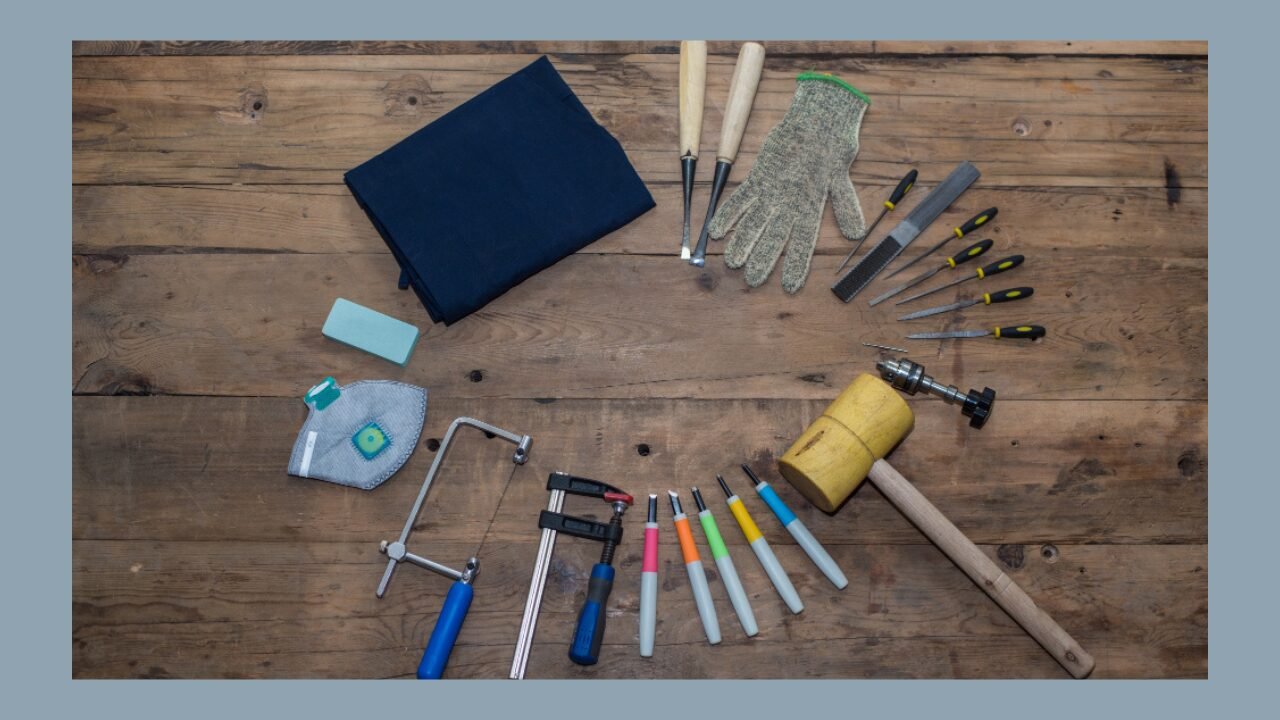
Having the right handheld tools saves you time, money, and frustration on any home project. A well-chosen toolkit with essential handheld tools lets you handle everyday repairs, furniture assembly, and DIY projects without needing to call for help. You don’t need a fully stocked garage to get started.
This guide walks you through the foundation tools every homeowner needs, specialist options that add versatility, and smart ways to organize and maintain your collection.
Whether you’re hanging pictures, fixing a loose cabinet, or tackling your first woodworking project, the right handheld tools make everything easier and safer. We’ll help you build a practical toolkit that grows with your skills and handles whatever projects come your way.
Foundation of Every Toolkit: Must-Have Handheld Tools
A solid toolkit starts with four key categories: hammers for driving and removing fasteners, screwdrivers for assembly work, pliers for gripping and cutting tasks, and measuring tools for accuracy in every project.
Selecting the Right Hammer
Your first hammer should be a claw hammer with a 16-ounce head. This weight works well for most household tasks without causing fatigue. Look for a steel or fiberglass handle that absorbs shock better than a wooden one.
The claw end is used to remove nails from wood and other materials. Make sure the hammer feels balanced in your hand before buying. A one-piece forged design lasts longer than assembled models.
Choosing Screwdrivers and Sets
You need both Phillips and flathead screwdrivers in multiple sizes. A screwdriver set with at least six pieces covers most projects. Multi-bit screwdrivers save space by storing multiple tips in one handle.
The Role of Pliers in DIY Projects
Needle-nose pliers reach into tight spaces and hold small parts. Slip-joint pliers adjust to grip different sizes. Locking pliers clamp onto objects and stay locked until you release them.
Measuring and Marking Essentials
A 25-foot tape measure handles most jobs around your home. The hook should move slightly for accurate inside and outside measurements. Add a ruler for smaller work and marking straight lines.
Specialist Tools for Versatility and Precision
Beyond the basics, specialist tools help you tackle more complex tasks with greater accuracy. Wrenches handle fasteners of all types, cutting tools shape materials to size, and measuring tools ensure everything lines up perfectly.
Wrenches and Their Applications
An adjustable wrench fits multiple bolt sizes, making it a flexible choice for quick jobs. A combination wrench offers open-end and box-end options in one tool. You’ll want an Allen wrench set (also called hex keys) for furniture assembly and bike repairs.
A socket set with a socket wrench gives you the power to handle stubborn bolts. Sockets come in standard and metric sizes, so check what your projects need.
Cutting Tools: Saws and Knives
A hacksaw cuts through metal pipes and plastic. For wood, choose between a crosscut saw for cutting across the grain or a coping saw for curved cuts. A utility knife handles everything from opening boxes to trimming materials. Keep a putty knife on hand for scraping and spreading.
Levels and Squares for Accurate Results
A spirit level checks if surfaces are flat. A torpedo level works in tight spaces. For layout work, a speed square helps you mark 90-degree angles quickly, while a combination square measures and marks angles with precision.
Organization, Safety, and Project Readiness
Keeping your DIY toolkit organized, using clamps effectively, and protecting yourself with proper safety gear make every project run more smoothly and safely.
Tool Storage Solutions
A good toolbox keeps your tools protected and easy to find. Start with a basic portable toolbox for frequently used items like screwdrivers, pliers, and measuring tape. For larger collections, add a tool chest or pegboard wall system.
Store tools in dry locations to prevent rust. Keep heavy items at the bottom of your toolbox for stability. Use drawer dividers or small containers for screws, nails, and wall anchors. Label everything so you can grab what you need quickly.
Hang your step ladder on wall hooks when not in use. Keep duct tape and your staple gun in designated spots so they’re always ready.
Clamps: Securing Materials for Every Task
Clamps hold materials steady while you work. Bar clamps work best for larger projects like furniture assembly. They range from a few inches to several feet.
Spring clamps offer quick one-handed operation for lighter tasks. Keep at least two of each type in your kit. You’ll often need multiple clamps working together to hold pieces in place while the glue dries or you drill holes.
Prioritizing Safety Gear for Every Project
Safety goggles protect your eyes from flying debris when cutting or drilling. Work gloves prevent cuts and splinters when handling rough materials. Ear protection matters when using loud power tools.
Keep a flashlight in your toolbox for dark workspaces. Never skip safety gear to save time.
READ MORE
Tailoring Your Handheld Tool Kit for Specific Needs
Once you have the basics covered, your tool kit should grow based on the work you do most often. Power tools and outdoor equipment transform what projects you can tackle and how efficiently you complete them.
Expanding Into Power and Advanced Tools
A cordless drill is the first power tool most people buy, and for good reason. It handles drilling and driving screws faster than any manual tool. Look for a kit that includes two batteries so you can work while one charges.
A miter saw makes accurate angled cuts for trim work, framing, and any project requiring precise crosscuts. It saves time and improves accuracy compared to hand saws. The table saw comes in handy once you work with sheet goods regularly or need to rip lumber to a width.
Start with the drill, then add saws as needed for your projects. Woodworkers need the miter saw first. People building decks or doing renovations often get more use from a circular saw before investing in stationary tools.
Outdoor and Multifunctional Additions
A quality shovel belongs in every homeowner’s kit. It handles gardening, drainage work, and general yard maintenance. Choose one with a fiberglass handle for durability.
Add a rake for leaf cleanup and a garden hoe if you maintain planted areas. A multi-tool or work knife with a belt sheath keeps cutting tools accessible during outdoor projects without having to return to your main tool storage.