
BLS vs. CPR: Knowing the Key Differences in Training
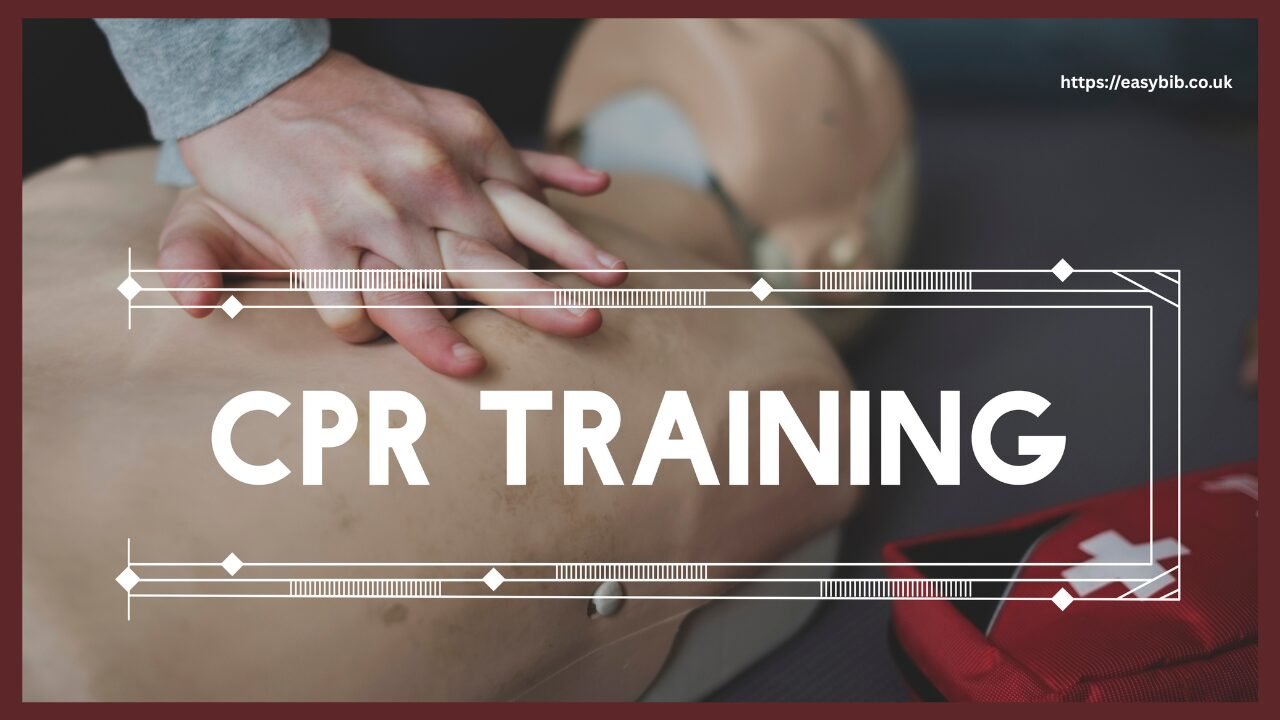
People often conflate BLS and CPR, as if they were synonymous. While these two lifesaving skills are closely related, they are not identical. Understanding the difference can help you choose the proper training for your needs. Many health care workers, first responders, and everyday people want to know which course fits their goals. Whether you plan to work in a clinical setting or want to be ready in an emergency, knowing what each training covers makes a big difference.
This article explains what CPR and BLS are, what skills each entails, and how they are used in practice. You will gain a clear understanding of the strengths of each training type and how they support safe responses in medical situations.
What CPR Training Focuses On
CPR stands for cardiopulmonary resuscitation. It is a lifesaving procedure used when someone’s heart stops beating or they stop breathing. The goal is to maintain oxygen flow through the body until emergency personnel arrive.
In CPR training, you usually learn:
- How to check responsiveness
- How to call for help quickly
- Where to place your hands for chest compressions
- How to give rescue breaths if appropriate
Most basic CPR courses teach skills for adults, and some also include children and infants. The focus is on rapid, effective action to support life until higher-level assistance arrives.
What Basic Life Support Includes
Basic Life Support adds more layers to CPR skills. It is designed for individuals who may be involved in medical care or who frequently experience emergencies. A complete BLS program teaches not only CPR but also how to use simple tools and communicate during an emergency.
Skills included in this type of training are:
- CPR for adults, children, and infants
- Use of breathing support tools
- Teamwork and communication in emergencies
- How to assess a situation before acting
Because it covers more than basic steps, BLS prepares learners for a broader range of scenarios and roles.
CPR Skills Are Hands-On
In both CPR and BLS courses, you practice hands-on skills. For chest compression, as you learn:
- The correct depth and rhythm
- How to position your hands
- When to give rescue breaths
In a typical hands-on session, you will practice these steps repeatedly until they feel natural. This repetition builds confidence so you act quickly and correctly when faced with a real emergency.
BLS Builds on CPR With Extra Tools
Where CPR focuses on human actions, BLS adds the use of simple tools and system awareness. For example, many BLS courses teach how to use a bag mask. This tool supports breathing by creating a seal around the user’s mouth and nose.
Learning to use a learning tool enables you to assist someone who is not breathing until professionals arrive. BLS also teaches you how to communicate with others in an emergency so that help arrives fast and everyone understands their role.
Who Should Learn CPR
CPR training is suitable for:
- Parents and caregivers
- Teachers and childcare workers
- Coaches and sports staff
- People who want to help in everyday emergencies
Everyone can benefit from knowing CPR. It requires less training time and focuses on the most essential steps for sudden situations.
Who Needs BLS Certification
BLS training is intended for individuals who expect to respond to emergencies as part of their job. This includes:
- Health care workers
- Emergency responders
- Nursing and medical students
- Staff in clinical settings
Many professional roles now require BLS certification to ensure a consistent level of care. You can find a comprehensive option here: MyCPR NOW’s Basic Life Support Certification.
Teamwork Is Part of BLS but Not Basic CPR
A key difference between basic CPR and advanced training is the emphasis on teamwork. In many emergencies, more than one person is present. BLS classes teach you:
- To assign roles quickly
- To communicate clearly with others
- To coordinate care while waiting for help
These skills are essential in hospitals and organized emergency settings. They help ensure a smooth response without confusion.
When to Use CPR vs When to Use BLS Skills
If you see someone collapse and they are not breathing, CPR training steps help you begin lifesaving care right away. You do not need tools or equipment. You use your body to deliver chest compressions and rescue breaths as needed.
In clinical settings such as hospitals or ambulances, BLS skills are often used initially. These professionals may have tools and team support available. They combine CPR steps with breathing devices and communication to provide thorough care until advanced life support arrives.
Why Both Skills Matter
Even if your job does not require professional medical training, learning CPR can prepare you to help in a crisis. Simple actions in the first minutes save lives. Knowing how to perform chest compressions and rescue breathing enables you to make a difference.
For health care professionals and emergency responders, BLS builds on CPR to enable care delivery through the use of tools and team coordination. This strengthens and enhances the response in serious situations.
How Training Is Delivered
CPR courses are often shorter and can be completed in a few hours. They include clear demonstrations and hands-on practice with manikins. Instructors guide you through each step until you feel ready.
BLS training may be longer because it covers more material. You will still practice hands-on skills, but you also learn about teamwork and tool use. Some programs include online lessons followed by an in-person skills check.
Testing and Certification Differences
Most CPR classes end with a simple skill check. You will show that you can perform chest compressions and rescue breathing correctly.
BLS certification usually includes skills tests and knowledge questions. You must demonstrate understanding of all aspects of the training, including teamwork and tool use. Once passed, you receive a certificate that many employers require for specific roles.
Keeping Skills Current
Whether you learn CPR or more advanced life-support skills, these skills can fade over time. Regular review and practice help maintain confidence. Many training programs recommend refreshing your skills every two years or sooner if guidelines change.
Practicing skills with peers can help maintain confidence. Watching step-by-step videos again can also boost your readiness.
Real Life Impact of These Skills
Knowing how to respond when someone needs help can dramatically change the outcome. When the heart stops or breathing fails, prompt action keeps blood and oxygen circulating through the body. These early steps protect the brain and vital organs until advanced help arrives.
Bystanders trained in CPR have saved countless lives in public places. Health care workers with BLS skills add structure and teamwork to these lifesaving moments in medical environments.
Common Questions About Training
- Can you learn CPR and BLS online?
Many programs let you study parts online, combined with hands-on practice. - Is basic CPR enough for healthcare jobs?
Most clinical roles require more advanced certification, such as BLS. - Do these courses expire?
Yes. Certification typically needs renewal every few years. - Can adults and children both benefit?
Yes. Both types of training include steps for different age groups.
READ MORE
Conclusion
Understanding the difference between CPR and BLS helps you choose the proper training for your needs. CPR is a core lifesaving skill that everyone can learn. It prepares you to act quickly in emergencies using only your hands and breath. BLS extends these skills through teamwork, tools, and broader knowledge of emergency response. It is suitable for healthcare workers and responders who will act in medical settings.