
Cut Photography Costs with Pro AI via Nano Banana 2
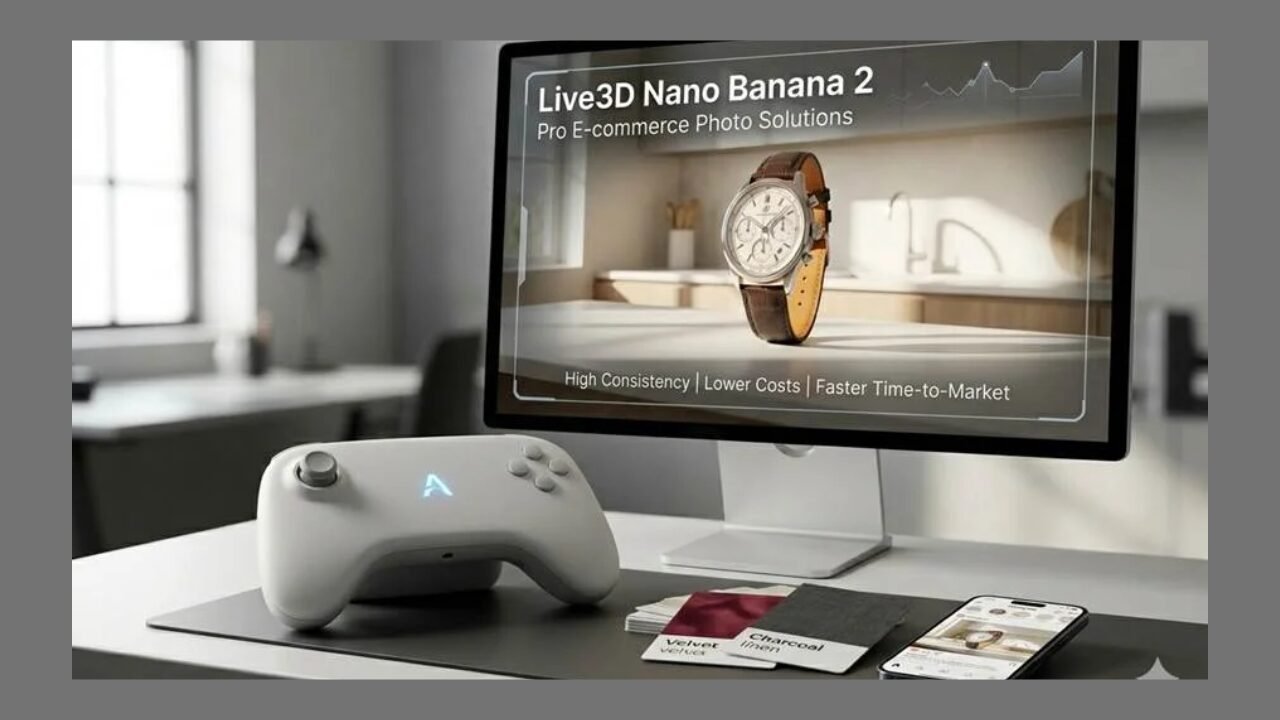
In the fast-paced world of digital retail, the visual presentation of a product is often the only bridge between a consumer’s curiosity and a confirmed purchase. Traditionally, capturing that perfect shot required expensive studios, professional lighting rigs, and hours of post-production. However, the emergence of generative AI has sparked a heated debate: are these new tools merely digital toys for creative play, or are they genuine productivity engines? With the release of Nano Banana 2, the scales are tipping decisively toward the latter. By integrating state-of-the-art image synthesis with intuitive controls, Nano Banana 2.0 is redefining the workflow of e-commerce photography, offering a “cost-down, efficiency-up” solution previously unimaginable for small- to medium-sized enterprises.
The Strategic Advantage: Why Nano Banana 2 is a Productivity Powerhouse
The transition from traditional photography to AI-generated imagery isn’t just about following a trend; it’s about survival in a competitive market. Here is how this tool provides a tangible edge.
Why Nano Banana 2 is a Productivity Powerhouse
Photorealistic Consistency Across Catalogs
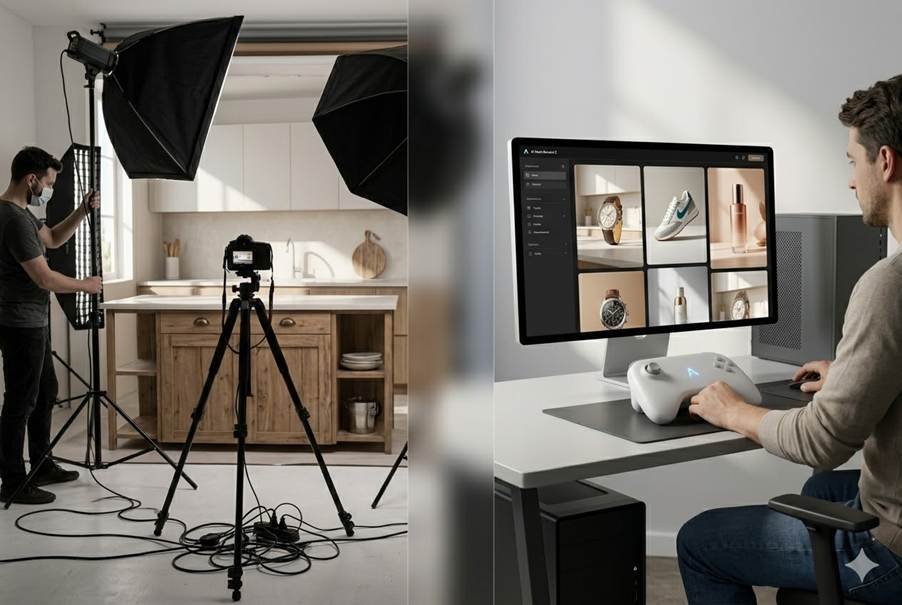
One of the greatest challenges in e-commerce is maintaining a consistent “look and feel” across hundreds of product listings. Traditional shoots often suffer from slight variations in lighting or camera angles between sessions. This tool solves this by using advanced latent diffusion models that understand the physics of light. Whether you are generating a scene for a luxury watch or a pair of sneakers, the AI ensures that shadows, reflections, and textures remain consistent, giving your storefront a cohesive, professional aesthetic that builds brand trust.
Radical Reduction in Overhead Costs
A standard commercial photoshoot involves renting a space, hiring models, paying photographers, and investing in high-end equipment. These costs can easily spiral into the thousands of dollars per day. By shifting the environment from a physical studio to a digital canvas, businesses can eliminate nearly 90% of these logistical expenses. You no longer need to ship physical prototypes across the globe for a lifestyle shoot; you need a high-quality reference image and the right prompt to place your product in any setting imaginable.
Rapid Time-to-Market for New Arrivals
In the era of fast fashion and drop culture, speed is critical. Waiting two weeks for a photography studio to return edited proofs can mean missing a trend cycle. The AI-driven workflow allows marketing teams to go from a product concept to a full set of promotional assets in minutes. This agility allows brands to test market reactions with different backgrounds or lifestyle contexts before even committing to a full production run, effectively turning market research into a real-time process.
From Concept to Cart: Key E-commerce Use Cases
Understanding the “how” is just as important as the “why.” To truly leverage Nano Banana 2 free, one must look at the specific scenarios where it outshines traditional methods.
One-click e-commerce use cases
High-End Lifestyle Contextualization
Consumers don’t just buy products; they buy the lifestyle associated with them. A coffee machine looks better in a sun-drenched minimalist kitchen than it does on a plain white background. Using this tool, you can generate diverse domestic or professional environments that resonate with your target demographic. Instead of building a kitchen set, you describe one, and the AI places your product into the scene with perfect perspective and lighting integration.
Multi-Model Diversity and Inclusion
Representation matters in modern e-commerce. However, hiring a diverse cast of models for every product line is financially taxing for smaller brands. The “composition and style transfer” features allow you to swap models or adjust features such as skin tone, age, and clothing styles. This ensures your brand remains inclusive and relatable to a global audience without the logistical nightmare of casting calls and multiple shoot days.
Seasonal and Holiday Campaign Refreshes
E-commerce requires constant visual updates to stay relevant during holidays such as Christmas, Black Friday, and Lunar New Year. Rather than re-shooting your entire inventory for every season, you can use the AI to “reskin” your existing product shots. Change a summer beach background to a cozy winter cabin in seconds. This allows for hyper-targeted seasonal marketing that keeps your store looking fresh and relevant year-round.
360-Degree Variation and Color Swatches
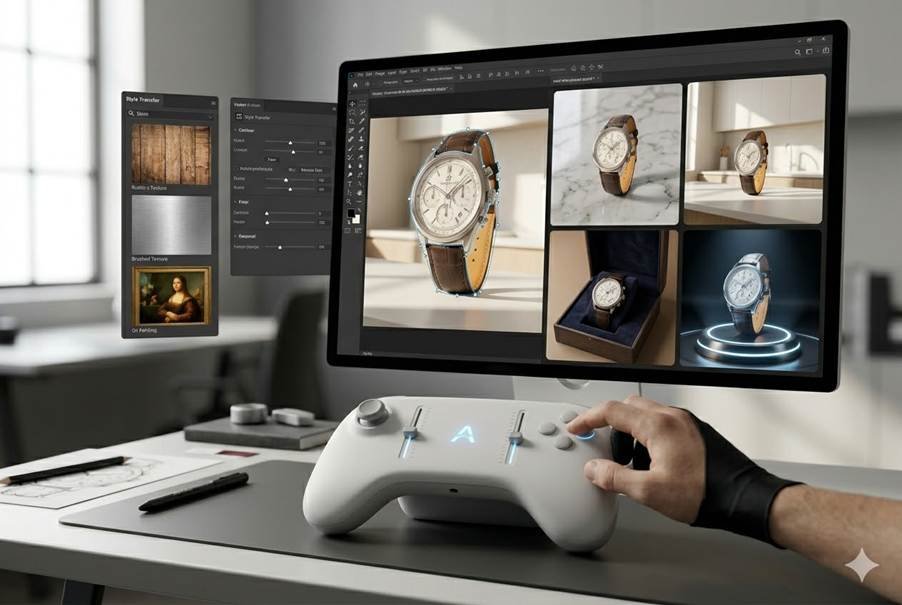
For products that come in multiple colors or finishes, the AI can generate realistic “color-way” variations. If you have a base sofa model, you can use the tool to generate how it would look in emerald velvet, charcoal linen, or tan leather. This ensures that every variant on your website has a high-quality image, reducing customer uncertainty and lowering return rates caused by “product not as described” issues.
Social Media Content “Snackability”
Social media platforms like Instagram and TikTok demand a high volume of aesthetic content. The AI serves as a “content factory,” churning out stylized, artistic, or trendy images that stop the scroll. You can experiment with surrealist backgrounds, bold color palettes, or dramatic lighting styles that might be too risky or expensive to attempt with a traditional camera, allowing your social media manager to maintain a daily posting cadence with ease.
Global Localization of Visual Assets
A product being sold in Japan might benefit from a different background aesthetic than one being sold in Brazil. This tool enables “visual localization.” By generating backgrounds that reflect local architecture, flora, and interior design trends, you make your product feel “at home” in various international markets, significantly improving conversion rates for cross-border e-commerce.
Technical Excellence: Exploring the Features of Nano Banana 2
What separates this version from its predecessors is the sheer depth of control it offers the user. It goes beyond random generation to deliver intentional creation.
Nano Banana 2: State-of-the-Art Image Synthesis
At its core, the platform features the Nano Banana 2 model, a powerful multi-modal engine. It isn’t just a text-to-image generator; it is a sophisticated engine capable of image+text-to-image editing. This means you can upload a rough sketch or a photo of your product from your mobile phone, and the AI will use it as a structural guide to create a professional-grade render. This “guided generation” ensures that the product’s proportions and branding remain 100% accurate, which is non-negotiable for retail.
Intelligent Composition and Style Transfer
For brands that already have a signature look, the “Style Transfer” feature is a game-changer. You can feed the AI a reference image of your previous high-end photography, and it will learn the specific lighting curves, color grading, and “vibe” of your brand. When it generates new images, it applies this learned style, ensuring that your new AI-generated assets are indistinguishable from your expensive legacy photos.
Advanced Multi-Image Composition
Sometimes you need to combine multiple elements into a single frame—for example, a bottle of wine, a glass, and a cheese plate. The multi-image-to-image capability allows you to bring disparate elements together into a single, harmonious composition. The AI handles the complex task of “inter-object interaction,” ensuring that the glass casts a shadow on the table and the bottle reflects the surrounding environment correctly.
READ MORE
Conclusion: Bridging the Gap Between Creativity and Commerce
The debate over whether AI is a “toy” or a “tool” is officially over. For any e-commerce professional looking to scale, Nano Banana 2 represents a fundamental shift in how digital assets are produced. It offers a unique intersection of creative freedom and fiscal responsibility. Automating the most tedious and expensive parts of the photography pipeline allows brand owners to focus on what truly matters: strategy, storytelling, and customer connection. In the modern marketplace, the most successful brands won’t be those with the biggest photography budgets, but those who can most effectively harness AI to tell their story with speed, style, and precision.