
Understanding Electrical Safety Standards in Residential Properties
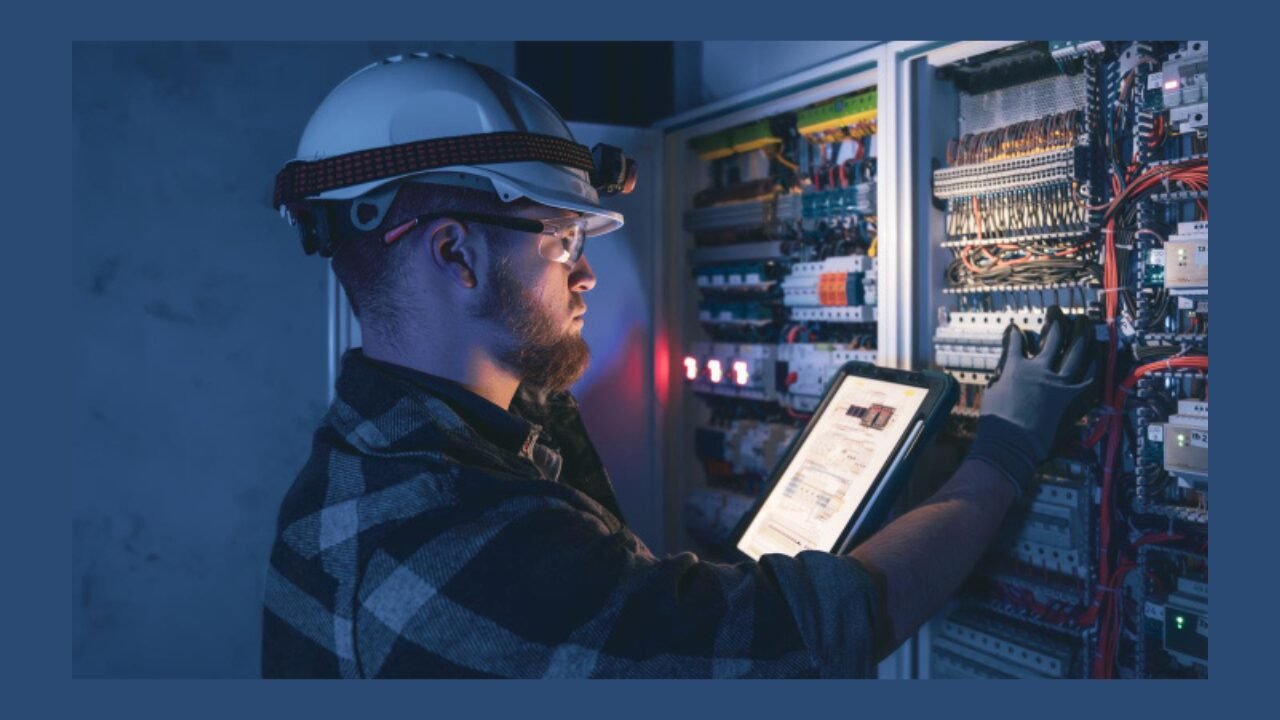
Electrical safety is a fundamental aspect of residential building standards, playing a critical role in protecting occupants from injury, fire, and long-term health risks. As homes become increasingly reliant on electrical systems for heating, lighting, appliances, and smart technology, adherence to recognised safety standards is more important than ever.
Understanding how electrical safety standards are applied in residential properties helps homeowners, landlords, and students studying construction or building compliance recognise why regulations exist and how they are enforced in real-world settings.
Why Electrical Safety Standards Exist
Electrical systems carry inherent risks when poorly designed, installed, or maintained. Faulty wiring, overloaded circuits, and outdated components can lead to electric shock, fires, and equipment failure.
Safety standards exist to minimise these risks by setting clear requirements for how electrical installations should be designed, tested, and maintained. These standards are informed by historical data, technological advancements, and lessons learned from past incidents.
By enforcing consistent rules, regulatory bodies aim to create a baseline level of safety across all residential properties, regardless of age or size.
Key Components of Residential Electrical Safety
Electrical safety in homes covers several core areas. These include correct circuit design, adequate earthing and bonding, appropriate protective devices, and safe placement of electrical equipment.
Modern properties typically rely on consumer units fitted with circuit breakers and residual current devices, which are designed to cut power quickly if a fault is detected. These components help prevent serious injury and reduce the likelihood of electrical fires.
In addition to installation standards, ongoing inspection and testing are essential to ensure systems remain safe as properties age or undergo modifications.
The Role of Regulations and Compliance
Residential electrical work is governed by strict regulations that define how installations must be carried out and verified. These regulations apply not only to new builds, but also to renovations, extensions, and upgrades.
Compliance ensures that electrical systems meet minimum safety requirements and perform as intended. It also provides accountability, as documented inspections and certifications can demonstrate that work was completed correctly.
Failure to comply with regulations can result in unsafe living conditions, legal consequences, and difficulties during property transactions or insurance claims.
Electrical Inspections and Ongoing Safety
Regular inspection is a key part of maintaining electrical safety. Over time, wear and tear, environmental factors, and changes in usage can affect the condition of wiring and electrical components.
Inspections help identify potential hazards such as deteriorating insulation, loose connections, or outdated equipment. Addressing these issues early reduces the risk of failure and supports long-term safety.
In residential settings, inspections are particularly important in rental properties, older homes, and buildings that have undergone multiple alterations.
Applying Safety Standards in Real-World Settings
While regulations provide the framework, real-world application requires expertise and practical understanding. Electrical systems must be assessed within the context of how a property is used, its age, and its existing infrastructure.
This is where reference examples of professional electrical services can help illustrate how standards are implemented in practice. These services demonstrate how regulations are interpreted, applied, and verified during installation and inspection processes.
Using real-world examples supports a clearer understanding of how theoretical standards translate into practical outcomes.
The Importance of Qualified Professionals
Electrical safety standards are designed to be applied by trained and qualified individuals. Professional electricians must understand both the technical aspects of electrical systems and the regulatory requirements governing their work.
Incorrect installation or unqualified modifications can undermine even the most robust safety standards. This highlights the importance of competence and certification within the electrical industry.
For students and researchers, examining how qualified professionals operate within regulatory frameworks provides valuable insight into compliance and risk management.
Electrical Safety and Property Responsibility
Responsibility for electrical safety often falls on property owners and landlords. Ensuring systems are safe and compliant is not only a legal obligation but also an ethical one.
Unsafe electrical installations can have serious consequences for occupants, neighbours, and the wider community. As a result, safety standards are designed to protect not just individuals, but public welfare as a whole.
Understanding these responsibilities helps reinforce why compliance is essential rather than optional.
READ MORE
Final Thoughts
Electrical safety standards play a vital role in protecting residential properties and the people who live in them. By setting clear requirements for installation, inspection, and maintenance, these standards help reduce risk and promote safe living environments.
Studying how electrical safety is regulated and applied in real-world contexts provides valuable insight into the relationship between technical knowledge, regulation, and public safety. Whether viewed from an academic, professional, or homeowner perspective, electrical safety standards remain a cornerstone of responsible residential building practice.