
Suchir Balaji: AI Researcher, Whistleblower & Controversial Death Explained
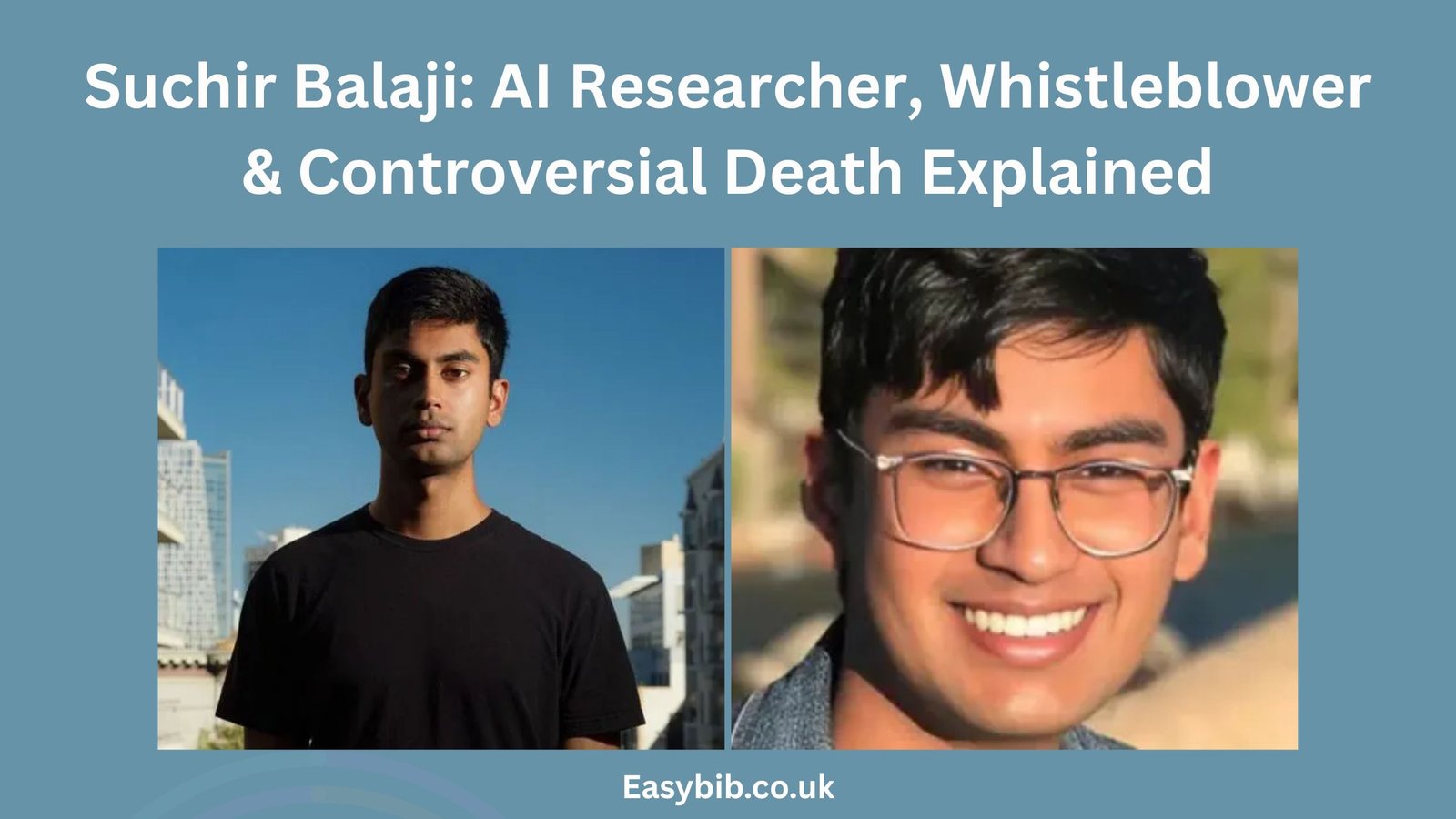
Suchir Balaji was a young artificial intelligence researcher known for his work in the tech world and his public criticisms of how leading AI companies used data. He became widely known not just for his technical skills but also for his role as a whistleblower who shared concerns about the ethics and legality of some AI practices. His story drew attention from media, tech commentators, public figures, and the global technology community because it touched on issues of AI ethics, data use, and what can happen when someone speaks out against powerful industry players.
Balaji’s career included nearly four years at a major AI research company where he worked on important technological projects. He later raised worries about how training data was sourced and how copyright issues were handled in creating large-scale AI models. This put him in the spotlight and made his life and death the subject of public discussion.
Who Was Suchir Balaji?
Suchir Balaji was an American researcher specializing in artificial intelligence. He was born on November 21, 1998, and spent his early adult years studying and building his career in computer science and AI. After graduation, he joined a prominent AI company where he worked for almost four years. His professional focus included organizing and analyzing large datasets used to develop advanced AI models and tools that are widely used around the world.
Balaji’s skills made him a valuable contributor to several high-profile technology projects. During his tenure, he became familiar with how data was gathered and used in AI training. Over time, he developed deeper concerns about the ethical and legal implications of certain data practices, particularly regarding the use of copyrighted material without clear authorization. His technical background gave weight to these concerns and made his views stand out.
Career and Work at OpenAI
Suchir Balaji worked at one of the most influential artificial intelligence research organizations in the world. He joined shortly after completing his education and was involved in technical efforts that supported AI training and model development. During his time there, he gained insight into how data was collected from the internet and processed to train large language models.
Balaji’s work included organizing and validating massive datasets used to teach AI systems how to understand language, patterns, and knowledge. These tasks are crucial in building tools that millions of people use for communication, research, and productivity.
Over time, he became critical of some of the ways the company handled data, especially when it involved copyrighted material. He began questioning whether the use of certain data sources complied with law and fairness principles, raising concerns about legal risk and ethical responsibility.
Public Whistleblowing and Legal Questions
In October 2024, Suchir Balaji went public with his concerns about data practices in the AI industry, focusing on the use of copyrighted content without clear permission. He wrote about why generative AI systems might not fit under fair use defenses and why this could matter legally and ethically. His essay was featured in major outlets and drew international attention because it challenged powerful companies and shared detailed insights from someone who had worked inside the field.
Balaji was named in legal actions involving copyright lawsuits against prominent AI developers. These lawsuits argued that training AI on certain datasets could violate intellectual property rights and harm creators’ interests. His potential role in these legal cases made his insights particularly important to the ongoing debates about AI regulation and ethical data use.
Death of Suchir Balaji
Suchir Balaji was found dead in his San Francisco apartment in November 2024. He was just 26 years old at the time. Police were called to check on his well-being, and when officers entered his residence, they discovered he had died of a single gunshot wound. The San Francisco Office of the Chief Medical Examiner later released an autopsy report concluding that his death was a suicide, with no evidence of foul play.
According to official findings, Balaji had alcohol and other substances in his system at the time of death. The police noted that the apartment’s main door was dead-bolted from the inside, and no signs of forced entry were found.
Official Cause of Death and Autopsy

Official law enforcement and medical examiners concluded that Suchir Balaji died by suicide. The autopsy report stated that the cause was a single self-inflicted gunshot wound. Authorities also reported that the scene did not show clear evidence of foul play, and preliminary investigations supported the conclusion that no one else was involved.
The toxicology report from the medical examiner showed the presence of substances such as alcohol and other compounds in his system at the time of his death. These findings were part of the official assessment used to determine the manner of death.
Controversy and Family Dispute
Despite the official ruling, Suchir Balaji’s parents and some supporters have strongly disputed the conclusion of suicide. His family has raised questions about the official narrative and has called for additional investigation. They believe the circumstances surrounding his death deserve further scrutiny and have pointed to aspects they feel are inconsistent with the suicide ruling.
Balaji’s parents had reportedly hired a private investigator and raised concerns about missing items, inconsistencies at the scene, and additional injuries that they say do not align with a self-inflicted death. They have also suggested that evidence could have been overlooked or mishandled. These claims have fueled ongoing debate and public interest.
Public Debate and High-Profile Reactions
The news of Suchir Balaji’s death sparked widespread public reaction and debate. Some public figures and commentators raised questions about the case and called for transparency. The discussion expanded beyond the initial medical findings, especially as media coverage highlighted both his whistleblower role and the family’s dissatisfaction with the official ruling.
Tech leaders and commentators also weighed in, amplifying the story in broader discussions about corporate accountability and safety for whistleblowers in high-tech industries. These debates reflected rising public interest in how powerful organizations handle internal criticism and ethical concerns.
Legacy and Ongoing Impact
Suchir Balaji’s story highlights several important questions at the intersection of technology, ethics, and corporate responsibility. His public stance on data practices and copyright raised issues that many in the tech community continue to discuss. In addition, the circumstances of his death and the debates surrounding it have prompted calls for better protections and transparency for whistleblowers working in sensitive areas of technology.
While the official investigation remains definitive according to law enforcement, public discourse continues to explore what his legacy says about the responsibilities of both companies and the broader industry when it comes to ethical conduct and data usage.