
The High-Performance Kitchen: How Strategic Equipment Layouts Drive Faster Table Turnover
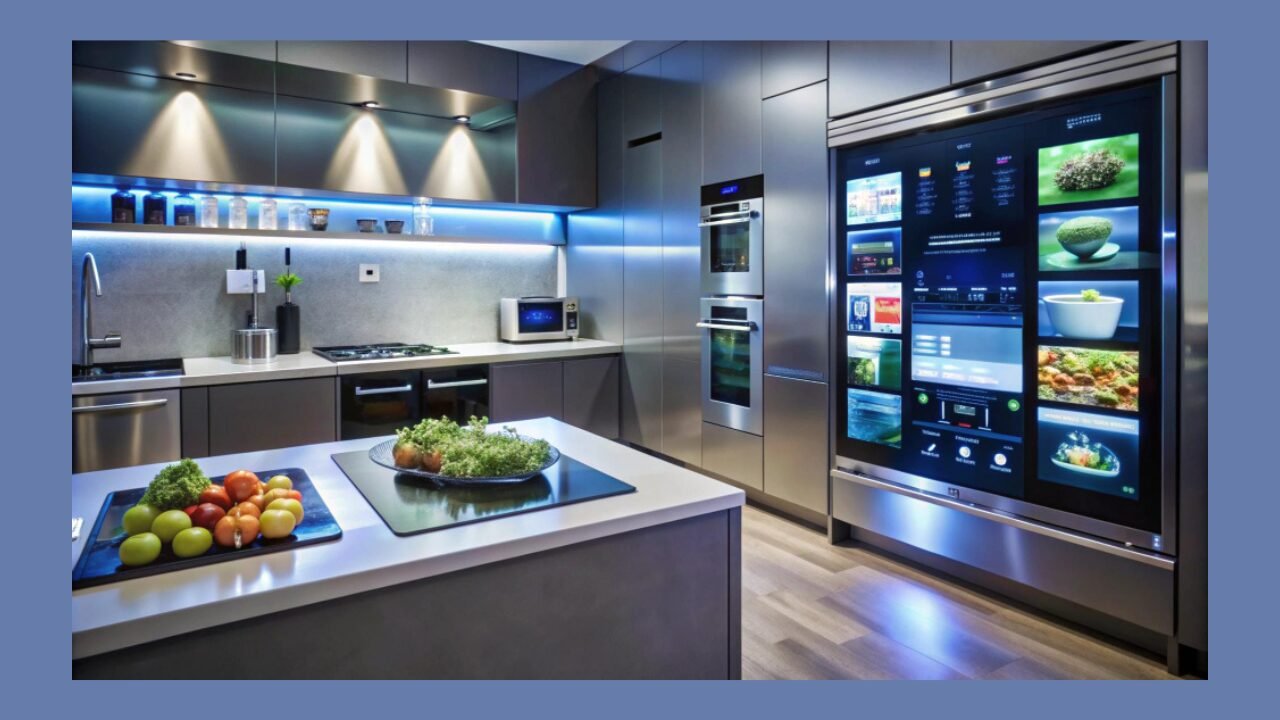
Ever noticed how some restaurants seem to have their act together while others leave you waiting forever for your food? The difference often isn’t the chef’s skill or the quality of ingredients. It’s something far more basic: how well the kitchen is laid out.
Picture this: you walk into a busy restaurant kitchen during the dinner rush. If it’s designed properly, you’ll see a well-oiled machine where every movement has purpose. But if it’s poorly planned? Pure chaos.
The Kitchen Triangle That Actually Makes Sense
The classic kitchen triangle concept isn’t just for home cooks. Professional kitchens live and die by the flow between their three critical zones: prep, cooking, and service. When these areas connect naturally, magic happens.
Think about it. A chef shouldn’t have to sprint across the kitchen to grab ingredients while something’s sizzling on the stove. That’s just asking for trouble. The best restaurant layouts keep everything within arm’s reach, or at least within a few quick steps.
Here’s where it gets interesting: the most successful restaurants often position their coldest prep stations furthest from heat sources, while keeping frequently used items in the prime real estate zone. You’d be surprised how many places get this wrong.
Speed Through Smart Equipment Placement
The truth is, equipment placement can make or break your service times. Hot stations need to talk to each other. Your grill, fryer, and sauté station should form a tight cluster where one cook can manage multiple orders without breaking a sweat.
Cold stations follow different rules entirely. Salad prep, dessert assembly, and appetizer plating work best when they’re positioned for quick handoff to servers. Nobody wants wilted lettuce sitting under heat lamps while the main courses finish up.
Actually, one of the smartest moves restaurants make is creating dedicated expediting zones. These staging areas allow completed dishes to come together smoothly before heading to the tables. When everything flows this way, table turnover naturally speeds up because food reaches customers faster and hotter.
The Dishwashing Station Nobody Talks About
Look, dishwashing might not be glamorous, but its placement affects everything else. Smart operators position dish pits where dirty plates flow effortlessly from the dining room, while clean dishes move efficiently back to food-prep areas.
The best layouts create a logical loop. Dirty comes in one way, clean goes out another, and there’s never any confusion about what’s what. When restaurants nail this flow, their entire operation runs smoother.
Storage Solutions That Save Steps
Storage placement separates the pros from the amateurs. Dry goods should be placed near prep areas, but not so close as to create bottlenecks. Refrigeration needs to be accessible without disrupting the hot line flow.
Here’s something interesting: many successful operations use multiple smaller storage areas rather than one large walk-in cooler. This keeps ingredients closer to where they’re used, reducing unnecessary trips and keeping cooks focused on their stations.
READ MORE
Making It All Work Together
The thing about high-performance kitchen design is that every decision connects to every other decision. Move the prep sink three feet to the left, and your vegetable station will perform better. Adjust the pass window angle to prevent server collisions.
Professional kitchens benefit greatly from high-quality restaurant kitchen supplies in Australia that are positioned strategically rather than squeezed wherever they fit.
When everything clicks, the results speak for themselves. Orders move faster, staff stress levels drop, and customers get their food quickly and perfectly prepared. That’s the kind of efficiency that turns one-time visitors into regulars.
The best part? Once you get the layout right, it keeps paying dividends with every service, every day.