
Parotidectomy Surgery: Procedure, Types, Risks, Recovery, and What to Expect
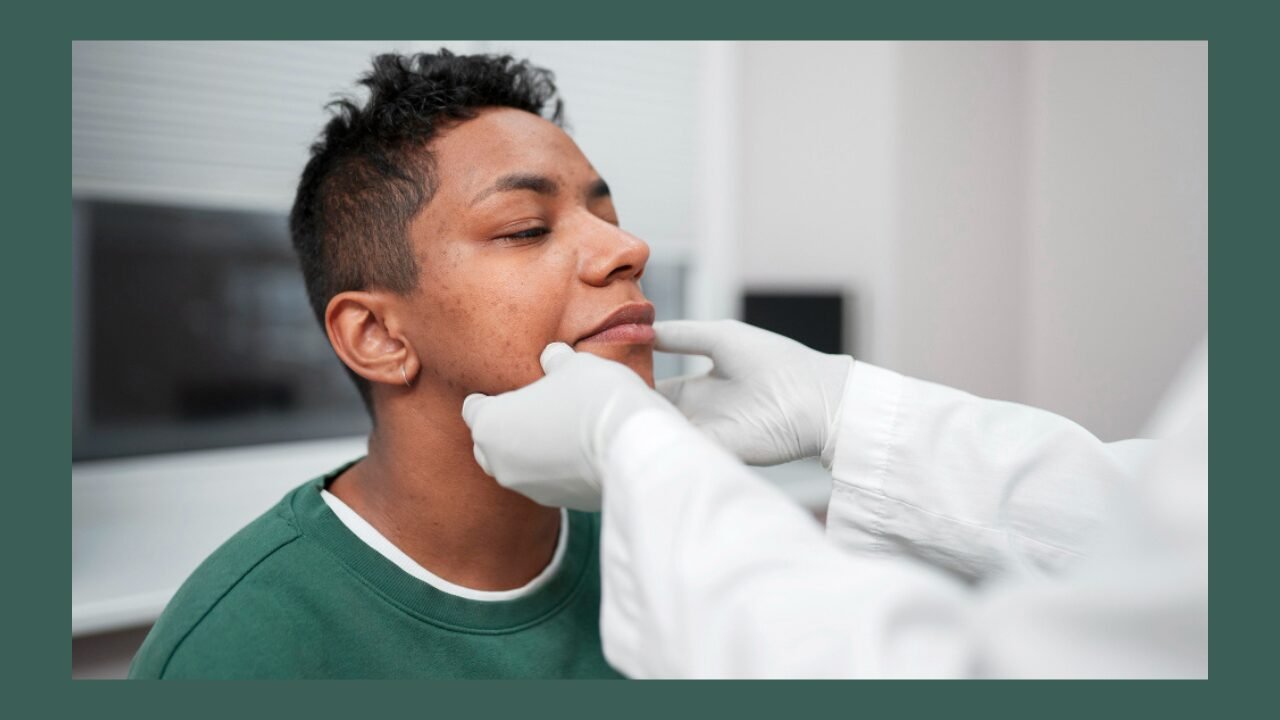
Parotidectomy is a specialized surgical procedure that removes part or all of the parotid gland, the largest salivary gland in the human body. Located just in front of and below the ear, the parotid gland plays a vital role in saliva production and oral health. This surgery is most commonly recommended for parotid gland tumors, chronic infections, or other structural abnormalities.
In this article, we will explore everything you need to know about parotidectomy surgery, including its indications, types, procedure steps, risks, recovery timeline, and long-term outcomes.
What Is Parotidectomy Surgery?
Parotidectomy surgery is a medical procedure that involves the partial or complete removal of the parotid gland. The surgery is usually performed by an ENT (ear, nose, and throat) surgeon or a head and neck surgeon, due to the complexity of the anatomy surrounding the gland.
One of the most critical aspects of parotidectomy surgery is the facial nerve, which passes directly through the parotid gland and controls facial expressions. Preserving this nerve is a top priority during surgery.
Why Is Parotidectomy Surgery Performed?
Parotidectomy surgery is recommended for a variety of medical reasons, including:
- Benign parotid tumors (such as pleomorphic adenoma)
- Malignant parotid gland tumors
- Chronic or recurrent parotid infections
- Salivary gland stones that cannot be treated conservatively
- Cysts or abscesses in the parotid gland
- Trauma or structural damage to the gland
Early diagnosis and surgical management often lead to better outcomes, especially in cases involving tumors.
Types of Parotidectomy Surgery
There are several types of parotidectomy surgery, depending on the location and extent of the disease.
1. Superficial Parotidectomy
This is the most commonly performed type of parotidectomy surgery. It involves removing only the superficial lobe of the parotid gland while carefully preserving the facial nerve.
It is typically recommended for:
- Benign tumors
- Small, localized growths
2. Total Parotidectomy
In a total parotidectomy, both the superficial and deep lobes of the gland are removed. This procedure is often necessary for malignant or extensive tumors.
The surgeon may attempt to preserve the facial nerve if it is not affected by the disease.
3. Radical Parotidectomy
This is the most extensive form of parotidectomy surgery. It involves removing the entire parotid gland, along with the facial nerve if it is involved with cancer.
Reconstructive procedures may be required following radical parotidectomy.
How Is Parotidectomy Surgery Performed?
Parotidectomy surgery is performed under general anesthesia and usually takes between 2 and 5 hours, depending on complexity.
Surgical Steps:
- A carefully planned incision is made in front of the ear and down the neck (often following natural skin creases).
- The surgeon identifies and protects the facial nerve using magnification and nerve monitoring.
- The affected portion of the parotid gland is removed.
- The incision is closed with sutures, and a surgical drain may be placed to prevent fluid buildup.
Most patients stay in the hospital for 1–2 days after surgery.
Risks and Complications of Parotidectomy Surgery
Like all surgical procedures, parotidectomy surgery carries certain risks. However, serious complications are relatively uncommon when performed by an experienced surgeon.
Possible Risks Include:
- Temporary or permanent facial nerve weakness
- Facial numbness or tingling
- Infection or bleeding
- Salivary fistula
- Frey’s syndrome (sweating while eating)
- Scar formation
Many nerve-related symptoms are temporary and improve within weeks or months.
Recovery After Parotidectomy Surgery
Recovery after parotidectomy surgery varies from person to person, but most patients return to normal activities within a few weeks.
Recovery Timeline:
- First week: Swelling, mild pain, and limited jaw movement are common
- 2–3 weeks: Stitches are removed; swelling decreases
- 4–6 weeks: Most daily activities can be resumed
- 3 months: Full healing and nerve recovery in many cases
Pain is generally manageable with prescribed medications.
Post-Surgery Care and Precautions
Proper aftercare is essential for smooth recovery after parotidectomy surgery.
Key post-operative tips:
- Keep the surgical area clean and dry
- Avoid heavy lifting and strenuous activity
- Follow a soft or regular diet as advised
- Attend all follow-up appointments
- Report any signs of infection immediately
Your surgeon may also recommend facial exercises if there is temporary nerve weakness.
Long-Term Outcomes and Prognosis
The long-term outlook after parotidectomy surgery is generally positive, especially for benign conditions. Most patients experience:
- Relief from symptoms
- Preservation of facial function
- Low recurrence rates for benign tumors
For malignant tumors, prognosis depends on factors such as tumor type, stage, and whether additional treatments like radiation therapy are required.
Parotidectomy Surgery and Facial Nerve Preservation
Facial nerve preservation is one of the most critical aspects of parotidectomy surgery. Modern techniques, including intraoperative nerve monitoring, have significantly improved surgical outcomes and reduced the risk of permanent nerve damage.
Choosing a skilled, experienced surgeon greatly increases the likelihood of a successful procedure.
When to Consult a Specialist
You should consult a specialist if you notice:
- A persistent lump near the jaw or ear
- Facial weakness or asymmetry
- Recurrent swelling or pain in the parotid region
- Difficulty chewing or swallowing
Early evaluation can prevent complications and improve treatment success.
READ MORE
Final Thoughts
Parotidectomy surgery is a safe and effective treatment for a wide range of parotid gland conditions when performed by an experienced medical professional. Understanding the procedure, risks, and recovery process can help patients feel more confident and prepared for surgery.
If you or a loved one is advised to undergo parotidectomy surgery, discussing all available options with a qualified specialist is the best first step toward a positive outcome.