
Luwak Coffee, Bali Coffee, and Excelsa Coffee: A Home Brewer’s Guide
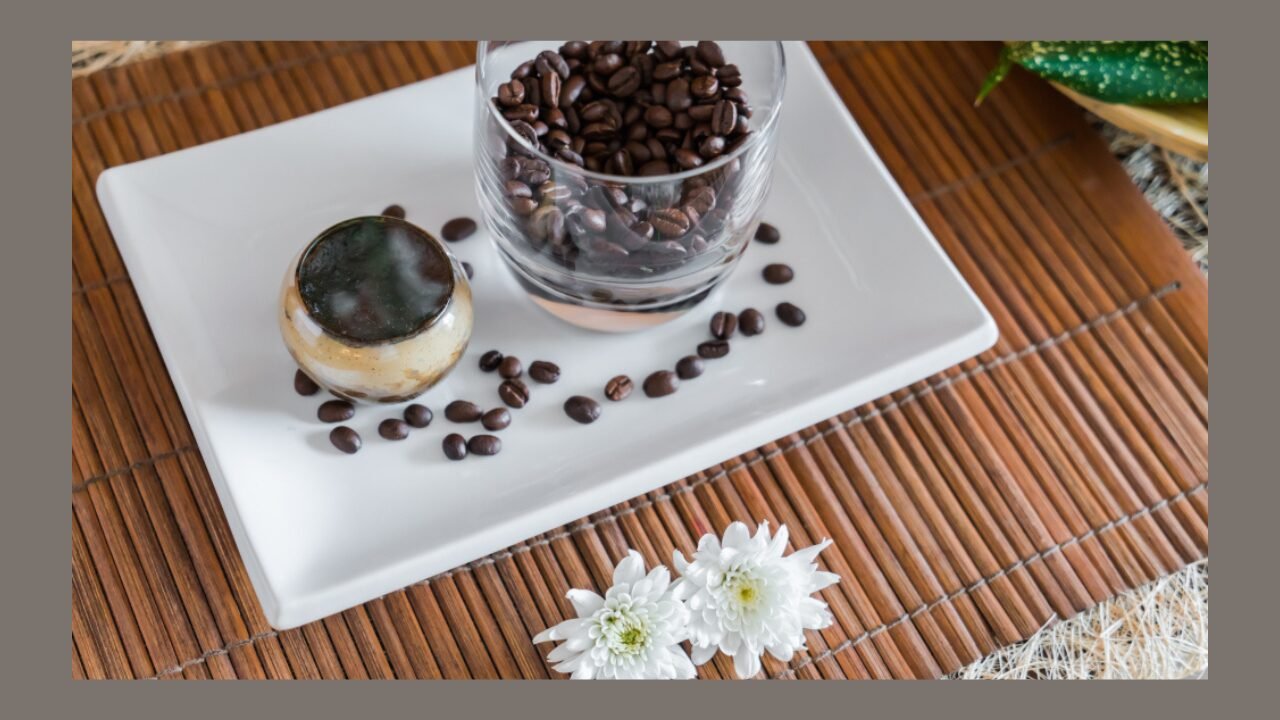
Indonesia is one of the world’s most exciting coffee origins, not just because it grows great Arabica and Robusta, but because its regions and varieties create wildly different flavor experiences in your cup. If you’ve been searching for luwak coffee beans, curious about Bali coffee, or looking for something rare like excelsa coffee beans, this guide explains what each is and how to choose the right option for your home setup.
At FNB Coffee, the best coffee experience starts with understanding your beans: where they come from, how they’re processed, and what flavors you can actually expect when you brew.
Luwak Coffee Beans: What They Are and What to Watch For
Kopi Luwak, often marketed as the most expensive coffee in the world, refers to coffee that has been eaten by a civet (luwak), passed through its digestive system, then collected, cleaned, and processed. The idea is that digestion and fermentation change the bean’s chemistry, often producing a cup that many describe as smoother, less acidic, and softer in bitterness.
Luwak coffee varies by origin and processing, but common tasting notes include:
- Low to medium acidity.
- Earthy, chocolatey, nutty tones.
- A generally smooth, rounded finish.
Not all luwak coffee is created equal. Some products are linked to civet captivity and force-feeding, which is a primary ethical concern. There are also authenticity issues; some luwak products are blended or mislabeled. If you’re buying luwak coffee beans, prioritize:
- Wild-sourced, often labeled wild kopi luwak.
- Transparent sourcing, a traceable region + producer.
- Precise details on processing and quality grading.
Because luwak is often valued for smoothness and aroma, use methods that highlight clarity:
- Pour-over V60/Kalita: clean and aromatic.
- French press: heavier body, more chocolate/earth tones.
- Espresso: only if the roast is fresh and not overly dark.
- Quick tip: Avoid boiling-hot water. Try 90–94°C, and adjust the grind slightly coarser if the cup turns bitter.
Bali Coffee: The Bright, Fragrant Side of Indonesian Terroir
When people say Bali coffee, they often mean beans grown in Bali’s highland areas, especially around Kintamani, which is known for cooler temperatures and distinctive flavor. Many Bali coffees are grown by smallholders and local cooperatives, and processing can range from washed to natural or honey-style depending on the producer.
Bali coffee is frequently described as:
- Citrusy or bright stone-fruit acidity.
- Floral aromatics.
- Clean, tea-like finish in washed lots.
- It has a balanced sweetness and medium body.
Bali’s growing conditions, altitude, climate, and farming practices can produce a cup that’s often cleaner and brighter than the heavier, earthier profiles people associate with other Indonesian regions.
Easy starting recipe pour-over:
- Ratio: 1:15, e.g., 20g coffee to 300g water.
- Water: 92–95°C.
- Total time: 2:30–3:15.
Excelsa Coffee Beans: Rare, Fruity, and Surprisingly Complex
Excelsa is often described as a distinct coffee type, but botanically it is classified as a variety within the Liberica family. Regardless of classification, what matters for your cup is that excelsa coffee beans can taste dramatically different from standard Arabica and Robusta.
Excelsa coffee is commonly used in blends to add complexity, but a good single-origin excelsa can be a genuinely unique home-brewing experience. Excelsa is known for:
- Dark fruit notes: plum, blackberry, raisin.
- Tropical hints; jackfruit/lychee-like impressions in some lots.
- Big aroma and layered sweetness.
- Often, there is a tangy, winey edge depending on processing.
If it tastes too sharp, reduce the extraction slightly: grind coarser or lower the water temperature to 90–92°C. Excelsa can be intense and aromatic, treating it like a flavor adventure coffee:
- AeroPress: controlled extraction, great sweetness.
- Pour-over: highlights fruit + complexity.
- French press: heavier mouthfeel, jammy tones.
Which One Should You Choose?
Here’s a simple way to match beans to your preference:
- Choose luwak coffee beans if you want a smooth, low-acid cup and you’re committed to ethical, traceable sourcing.
- Choose Bali coffee if you enjoy bright, clean, aromatic coffee that brews beautifully every day.
- Choose Excelsa coffee beans for rare flavors: deep fruit, bold aroma, and a more “exotic” profile that stands out from typical coffees.
How to Buy Better Beans for Home Brewing
No matter which coffee you pick, these points will improve your results instantly:
- Fresh roast matters more than fancy labels.
- Look for origin details: region, altitude, process, instead of vague premium claims.
- Match roast level to method:
- Light; medium for pour-over and clarity.
- Medium for AeroPress and balanced sweetness.
- Medium; dark for milk-based espresso if that’s your style.
- Store beans in an airtight container, away from heat and sunlight.
READ MORE
Conclusion
Indonesia offers an incredible variety, and these beans, luwak coffee beans, Bali coffee, and excelsa coffee beans represent three completely different experiences:
If you’re building your home coffee lineup, start by choosing the profile you love most, and brew it with a method that highlights its strengths. With the right beans and a few minor adjustments, your next cup can taste like a serious upgrade.
At FNB Coffee, the goal is simple: help you brew cafe-level cups at home by choosing beans that are honest, traceable, and matched to your taste.