
BlaBlaCar Guide: Carpooling, UK Services, BlaBlaBus & Reviews

BlaBlaCar is a popular ride-sharing platform that connects drivers with empty seats and passengers looking for long-distance travel. It operates in many countries and is well known for reducing travel costs while promoting social interaction.
Over time, it has expanded beyond cars into other modes of transport like buses and trains. The service emphasizes community, trust, and sustainability. But, like any large sharing-economy company, it has its own challenges and criticisms.
What Is BlaBlaCar?
BlaBlaCar began as a peer-to-peer carpooling service. Drivers post trips with available seats. Passengers join to share costs. It is not a taxi service—instead, costs are split. Many users choose rides based on price, route, and driver reputation. The name “BlaBlaCar” comes from how talkative users say they are (“Bla” means quiet, “BlaBla” is chatty, “BlaBlaBla” very talkative). The platform builds trust through profiles, ratings, and verification systems.
How BlaBlaCar Works?
To use BlaBlaCar, users install the app or use the website. Drivers list their trip, including origin, destination, and price per seat. Passengers browse available rides, check driver profiles, and send a request. If the driver accepts, the passenger confirms the booking. Payment methods and terms depend on the country. There is often a booking fee or service fee for using the platform.
Safety and Trust Mechanisms
BlaBlaCar uses a rating system: drivers rate passengers and passengers rate drivers. This helps everyone choose who to ride with. Users can also see verified profiles. While this builds a sense of community, it does not guarantee complete safety.
Some riders report scams, such as requests for payment outside the app. There have also been cases where users question the authenticity of profiles. Still, many users say it feels safer than other ride-sharing options, especially when they check ratings carefully.
BlaBlaCar in the UK
BlaBlaCar is available in the UK, where it competes with both public transport and other ride-sharing services. The platform is used for intercity travel, especially for trips where driving and sharing make financial sense.
UK users appreciate that it can be cheaper than trains or long-distance buses. However, not all routes are available, and ride frequency depends on the community. For some travelers, using BlaBlaCar in the UK is a flexible and cost-effective way to get around.
BlaBlaCar Bus (BlaBlaBus)
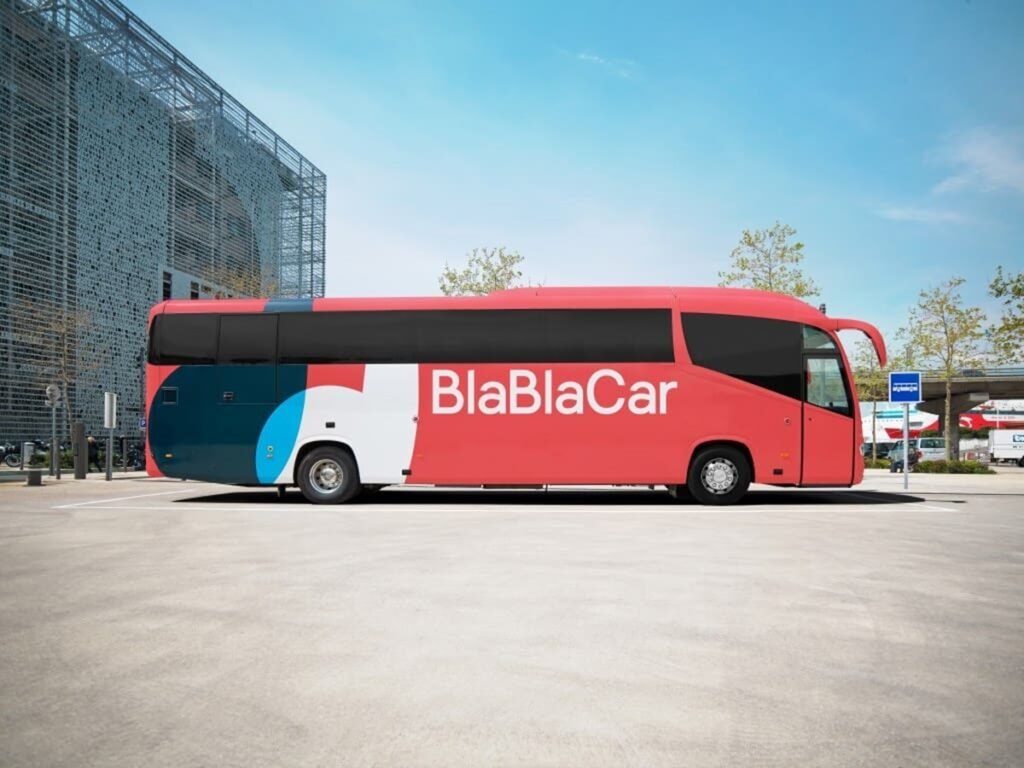
BlaBlaCar expanded into bus travel with BlaBlaBus (also called BlaBlaCar Bus). This service offers scheduled bus journeys across many European routes. It works more like a traditional bus service than the carpooling model.
Passengers book seats on buses rather than joining someone’s personal car. The aim is to provide more transport options, especially for long-distance or less frequent routes.
BlaBlaBus Review and Criticism
Customer reviews of BlaBlaBus are mixed. Some travelers praise the affordability and route coverage. Others report serious problems. Common complaints include delays, poor communication, and cancellations. According to reviews, some passengers say buses never arrive, or that amenities like charging ports and toilets are missing despite being advertised. Trustpilot reviews for BlaBlaBus mention refund issues and customer service struggles. On the other hand, positive reviews highlight polite drivers and reasonable comfort.
BlaBlaCar Reviews: Strengths and Weaknesses
Many users like BlaBlaCar for its low cost compared to traditional travel options. Sharing a ride helps save money and reduce emissions. When it works well, rides are convenient, comfortable, and efficient. The platform also allows flexible travel planning for people willing to coordinate with others.
A large number of reviews are negative, especially relating to BlaBlaBus. Some passengers feel their ride was canceled at the last minute or that the bus never came. Refunds and compensation are often described as slow or inadequate. Others report that seat reservations or amenities (like toilets or power sockets) are incorrectly listed. There are also scam concerns: some users have reported drivers asking for payment outside the app. Reviewing driver profiles carefully and using secure payment methods is advised.
Safety, Scams, and User Risks
While BlaBlaCar promotes trust, risks remain. On Reddit and other forums, users have shared stories of suspected scams. Some say they received calls from people claiming to be drivers but then demanding off-platform payment.
Others warn about luggage security, especially on buses, where bags stored under the vehicle may be at risk. Because drivers are not always professional transport operators, standards can vary. Users are encouraged to check reviews, communicate clearly before booking, and never pay outside the platform.
BlaBlaCar’s Business Evolution
BlaBlaCar has grown significantly since its founding. It once focused purely on carpooling. Over time, it added buses and even train tickets in some markets. The company’s goal now is to become a multimodal transport platform covering many kinds of travel.
This expansion helps it reach more users and compete with traditional transport services. The company invests in technology and partnerships to scale its offering while maintaining its community-based roots.
Future Outlook for BlaBlaCar
In the future, BlaBlaCar aims to strengthen its role in combining different transport modes. Expanding bus routes, integrating rail tickets, and improving its app’s reliability are likely priorities.
Addressing negative reviews and building better customer service is essential for growth. Trust and safety remain key concerns, and improvements in verification and user protection could boost adoption. If BlaBlaCar continues to evolve well, it could become a major player in shared, eco-friendly travel across Europe and beyond.
Conclusion
BlaBlaCar is more than just a ride-sharing platform. It has evolved into a transport service that includes both carpooling and bus travel. For many travelers, it offers a cheaper, more social alternative to public transport.
However, success depends on the community’s strength, driver reliability, and service transparency. BlaBlaCar has real potential, but users should be aware of its limitations. With careful planning and scrutiny, it remains a useful and flexible option for long-distance travel.