
Why Professional Caregiving is the Ultimate Career for People-Oriented Professionals
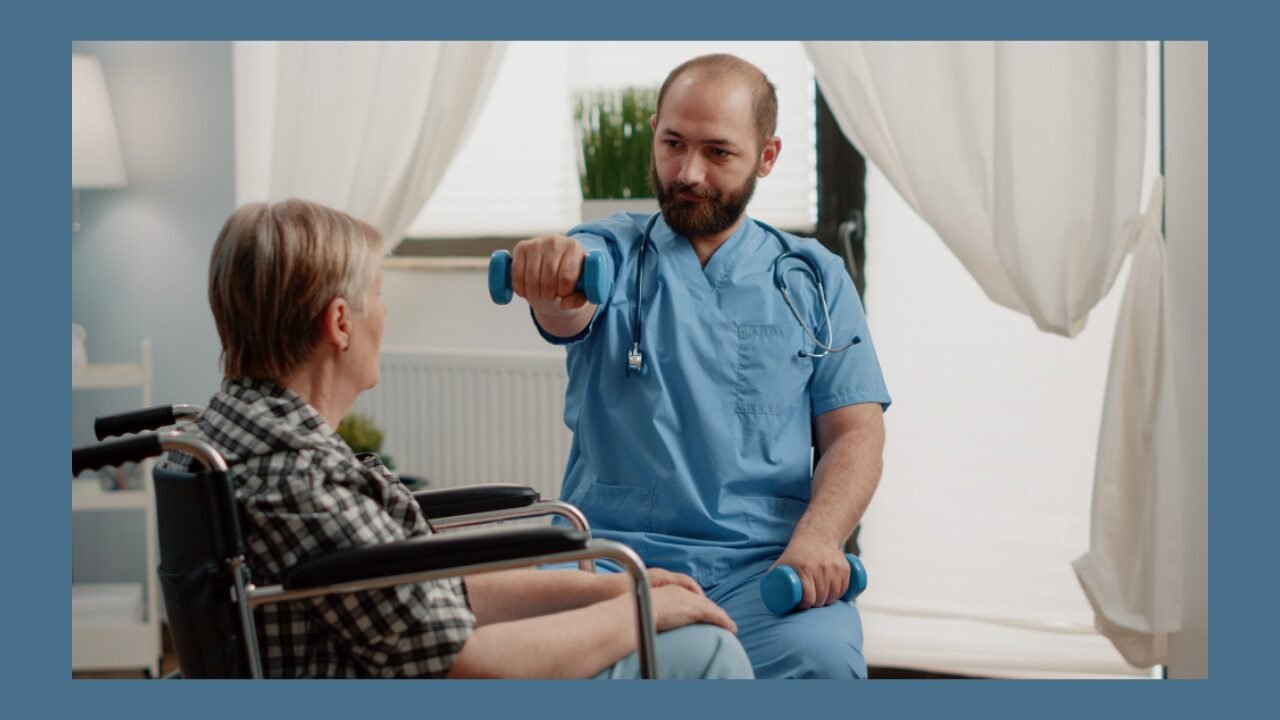
Most people who are great with people end up in jobs that grind that quality out of them. Retail. Hospitality. Call centers. Roles that technically require empathy but reward speed and throughput instead. A career in caregiving offers something different – a professional environment where emotional intelligence isn’t incidental to the work. It is the work.
Soft Skills Are Not Soft
The term ‘soft’ hardly does justice to who caregivers are and what they do every day. Active listening, intuitiveness, patience, and flexibility are not traits one checks off on a job application. They are essential clinical skills. The caregiver who perceives a subtle shift in a client’s mood or health and acts on that instinct may avert a crisis several weeks down the road. There is growing recognition of the connection between social interaction and better health outcomes.
A caregiver who shows up consistently, who remembers what is important to a client, who intertwines those preferences into the daily routine, rather than adhering only to a generic, institutional checklist, who is respectful, available, and warm, is not just being ‘nice’. There is real therapeutic value present in those meetings and exchanges. This is person-centered care. The therapeutic relationship is a component of the care program itself. That’s the difference between a professional caregiver and most other ‘helping’ roles. It’s not that empathy is somehow prevented from breaking through to the workplace; it’s that this is the point.
One-On-One Work In A High-Volume World
Burnout in the healthcare field is not caused by excessive care, but rather by caring for too many people at once, having too little time per patient, and dealing with too much administrative work. Hospital staff, clinic personnel, and many social workers all work in an environment where making a real connection is structurally impossible. Home care, however, works in the inverse.
A caregiver working with a consistent client base forms real relationships over weeks and months. They know the client’s history, preferences, and routines. They are not handing off notes at shift change – they are the continuity. This matters for people coming from high-volume environments. The work doesn’t get easier by caring less. It gets easier when you are meaningfully connected to the people you are helping. That’s the structure home care provides.
The Job Market Is Not A Concern Here
Employment of home health and personal care aides is projected to grow 22 percent from 2022 to 2032, with about 684,600 openings expected each year – far faster than the average across all occupations. A simple demographic reality drives that number: the population is aging, and most older adults want to stay home.
Aging in place – the preference for remaining in one’s own residence rather than moving to institutional care – has become the default expectation for most seniors and their families. That preference requires professional support to be viable. The demand isn’t speculative. It’s already here.
For those considering the shift, local role availability is strong. Anyone currently searching for full time caregiver job openings in Pennsylvania will find that the volume reflects a market that genuinely needs people, not a field where entry-level candidates are competing against a crowd.
What The Job Actually Looks Like Day To Day
A major worry some individuals have about caregiving work is related to structure, or actually, its lack. The truth is that it depends. Caregivers employed by formal home care agencies may actually have more leeway when it comes to scheduling than those in, say, retail or offices, often working around a shift where you might need to meet family obligations.
Then again, it’s also true that no two days in care are ever the same. If variety is the spice of life for you, this can be a major plus. But of course, if you’re happier knowing you’ll be tackling a pre-set list of tasks, that can be a challenge, too.
When it comes to training, care agencies have seen firsthand what can happen when the right boundaries aren’t in place and have made steady progress. A demanding client is still just that, and a good agency will offer you the expert backing you need if things start going wrong.
From Informal To Professional Care
Many people find out that they’re good at caregiving in an unofficial capacity – caring for an aging parent, perhaps, or helping a family member through an illness. What going pro brings to that natural talent is structure, training, and backup. You’re not on your own figuring it out.
Agencies provide supervisors, condition-specific training for issues like dementia or Alzheimer’s disease, and a safety net for scenarios that could be too much for an unofficial caregiver. The skills are the same. The difference is that there’s a support system under the professional caregiver.
And there’s a track. All those entry-level jobs lead to specialized career paths or opportunities for leadership and additional clinical training, if desired. It’s not the end of the line. It’s the beginning.
READ MORE
Where People-Oriented Professionals Actually Belong
Automation is impacting almost every industry. The positions that feel the least pressure are the ones where human judgment, adaptability, and connection are central. Caregiving is that job. The work can’t be templated; a platform can’t replicate it. If your professional instinct is people, this is where that instinct is put to its best use.