
Why Poor Physical Health Often Leads to Depression in Seniors
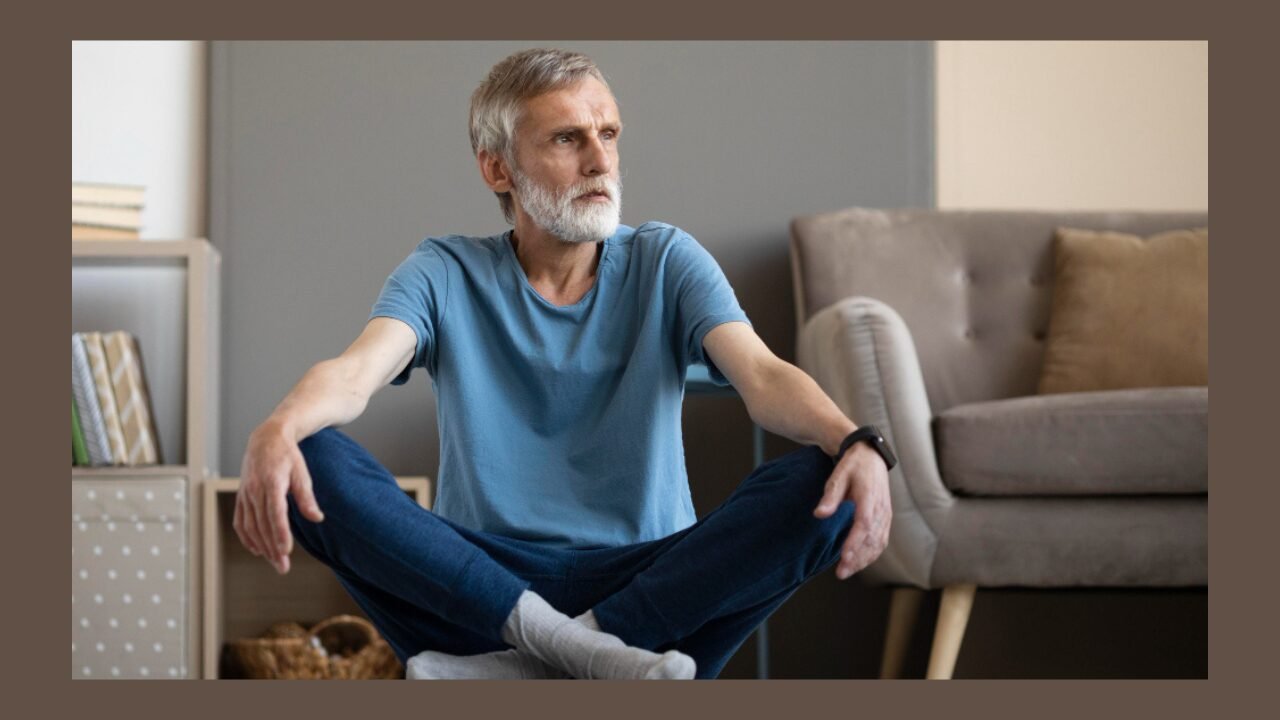
Why do seniors often feel sad when their health is poor?
Losing strength, having aches, or feeling tired all the time can make daily life hard. When the body struggles, the mind can follow, bringing loneliness or worry. Simple tasks may feel overwhelming, and enjoying hobbies can seem impossible.
Even small changes in energy or mobility can affect mood. Understanding how physical health links to feelings is essential. How can these challenges be managed or improved to bring more joy and ease into daily life? Let’s read on.
How Chronic Pain Affects Mood
Chronic pain affects more than just the body. When aches and pains are present most of the time, they can make daily activities difficult. Simple tasks like cooking, cleaning, or even getting dressed can feel tiring or frustrating.
Over time, this constant struggle can lead to sadness or worry. When the body hurts, the mind often follows. Seniors may feel stuck or helpless because they cannot move or act as freely as they used to.
This ongoing discomfort can make it hard to enjoy hobbies or time with family and friends, increasing the risk of depression. Paying attention to ways to support well-being and maintain senior protective factors can help reduce these risks.
The Impact of Limited Mobility
When movement becomes difficult, it can affect both life and mood. Difficulty walking, climbing stairs, or standing for long periods can make seniors feel dependent on others.
This dependence can be discouraging, and the feeling of being a burden may grow. Limited mobility can also prevent seniors from going out as much.
Visiting friends, attending events, or simply walking in the park becomes more difficult, which can increase loneliness. Reduced physical activity can also lower energy and worsen overall health, creating a cycle that affects both body and mind.
Losing Independence and Confidence
Needing help with basic daily tasks can be emotionally challenging. Seniors who used to care for themselves may feel a loss of independence. Simple activities such as bathing, cooking, or managing bills may require support.
This need for assistance can lower self-esteem and increase feelings of helplessness. When confidence drops, it becomes easier to feel sad or anxious. Feeling capable is closely linked to happiness, and losing that sense can have a substantial impact on mental health.
Social Isolation and Loneliness
Poor physical health can make social life harder. Seniors may skip gatherings, avoid phone calls, or stop participating in clubs or events because moving around is challenging. When social connections fade, loneliness can set in.
Feeling alone can worsen mood and increase the risk of depression. Staying connected is essential, but physical limitations often make it harder to maintain friendships or join community activities.
How Sleep and Energy Affect Mood
Health problems often change sleep patterns. Pain, discomfort, or illness can make it hard to rest well at night. Lack of sleep lowers energy, making even simple tasks more difficult. Low energy can also make seniors less likely to go out, exercise, or socialize.
Over time, this combination of fatigue and inactivity can deepen feelings of sadness. Healthy sleep and consistent energy are key to physical and emotional well-being, and focusing on sleep strategies can improve mood and daily performance.
READ MORE
Finding Hope: Supporting Seniors’ Health and Happiness
Taking care of the body helps keep the mind strong. Small daily habits, help from friends or family, and paying attention to health can lift mood and make life happier.
Did you find this article helpful? You can visit our website to find more helpful content like this.