
What E-commerce Businesses Get Wrong About SMS Marketing
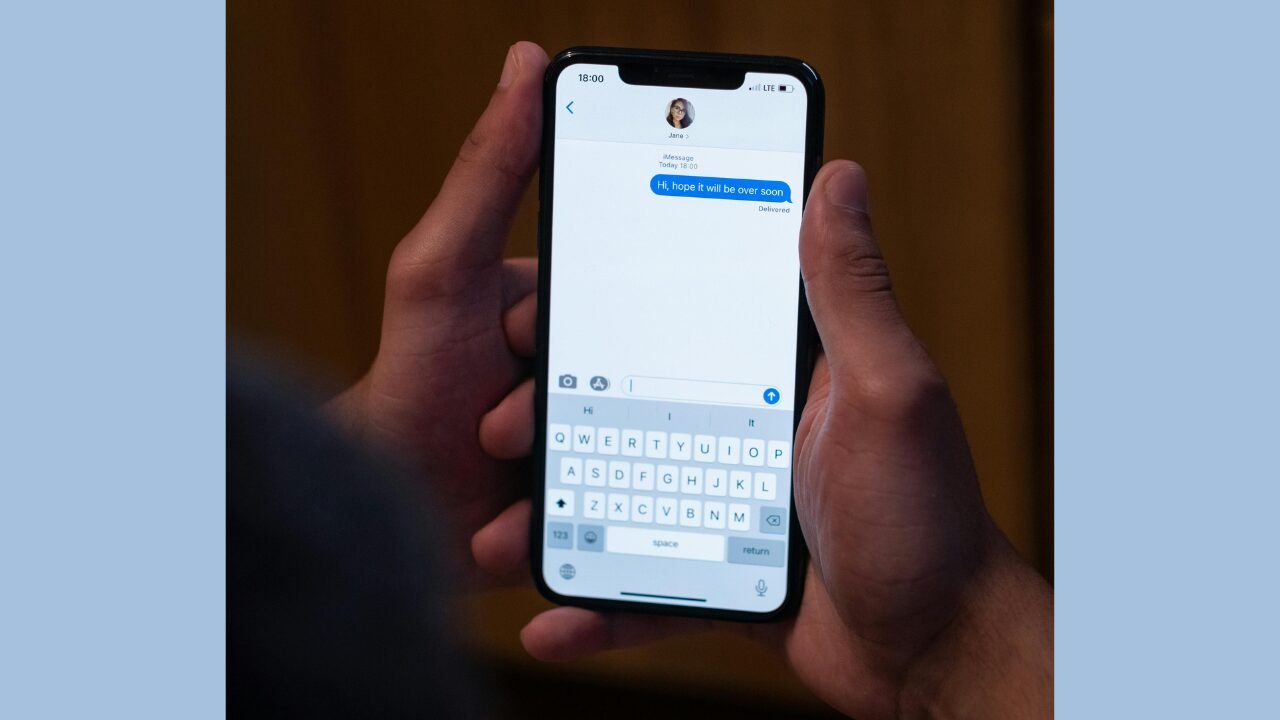
For e-commerce businesses, is there anything as easy or practical as SMS marketing in that instant? That fast deployment and ability to get customers right away are enticing, but it’s not always the best approach, and it can be misused, undermining its benefits. And that’s the trap all e-commerce businesses fall into. They assume it’s just a compressed email. It’s not. It is a high-interruption channel with little tolerance for mistakes, and most of the damage occurs through opt-outs, muted threads, and visitors who don’t complain but disengage. This isn’t a guide for doing SMS well; it’s a look at what businesses consistently get wrong so you can avoid them.
Consent and Expectations
The first mistake is treating SMS consent like an email tick box. Customers read text opt-ins differently; they expect fewer messages, tighter relevance, and clearer value.
When brands bundle SMS consent into checkout logs without setting expectations, they immediately erode trust. Frequency and copy are essential here. And all it takes is one unexpected message to undo weeks of careful acquisition. While compliance is part of these issues, the real problem is a mismatch. Customers did not provide their phone numbers for a daily broadcast.
Overuse and Poor Timing
SMS fails fast when the messaging doesn’t justify the interruption. Generic announcements, soft launches, “just checking in” campaigns. Its relevance here, and timing errors become glaringly obvious, too. Early-morning texts, those that land late at night, or post-purchase sequences that keep firing long after the sale is done are all poor decisions.
Unlike email, SMS doesn’t wait patiently in an inbox; it demands attention, and every unnecessary message increases the cost of the next one.
Discount Only Thinking
This is the place where most ecommerce SMS strategies fail. Brands default to discounts because they quickly convert and look good on dashboards.
But the problem is what comes next. Customers learn the pattern. They wait, and full-price intent erodes quickly, margins shrink, and the volume driven by discounts masks the damage.
The result is you have to use the SMS lever more frequently to get the same results. That’s not growth, that’s dependency. There is a significant difference between using SMS to support buying decisions and using it to offer incentives to customers, and you need to know that distinction. One builds momentum; the latter trains behaviour you don’t need or want in the long term.
When ecommerce teams look at SMS marketing for ecommerce purely through a promotional lens, they miss where it actually earns its keep.
READ MORE
Running SMS in Isolation
Another widespread failure is using SMS as a standalone channel. It’s not there for that. If you’re running messages alongside email campaigns, on-site behaviour, or lifecycle stages, customers are receiving overlapping messages, which quickly builds irritation. SMS works best when it fills the gaps other channels can’t reach, not when it competes with them.
SMS isn’t forgiving; if you get it wrong, you’ll notice quickly. SMS doesn’t reward volume; it doesn’t reward generic messaging, and brands that don’t understand this will notice numbers dip, not rise.