
How to Prepare Caribbean Delicacies for this Winter
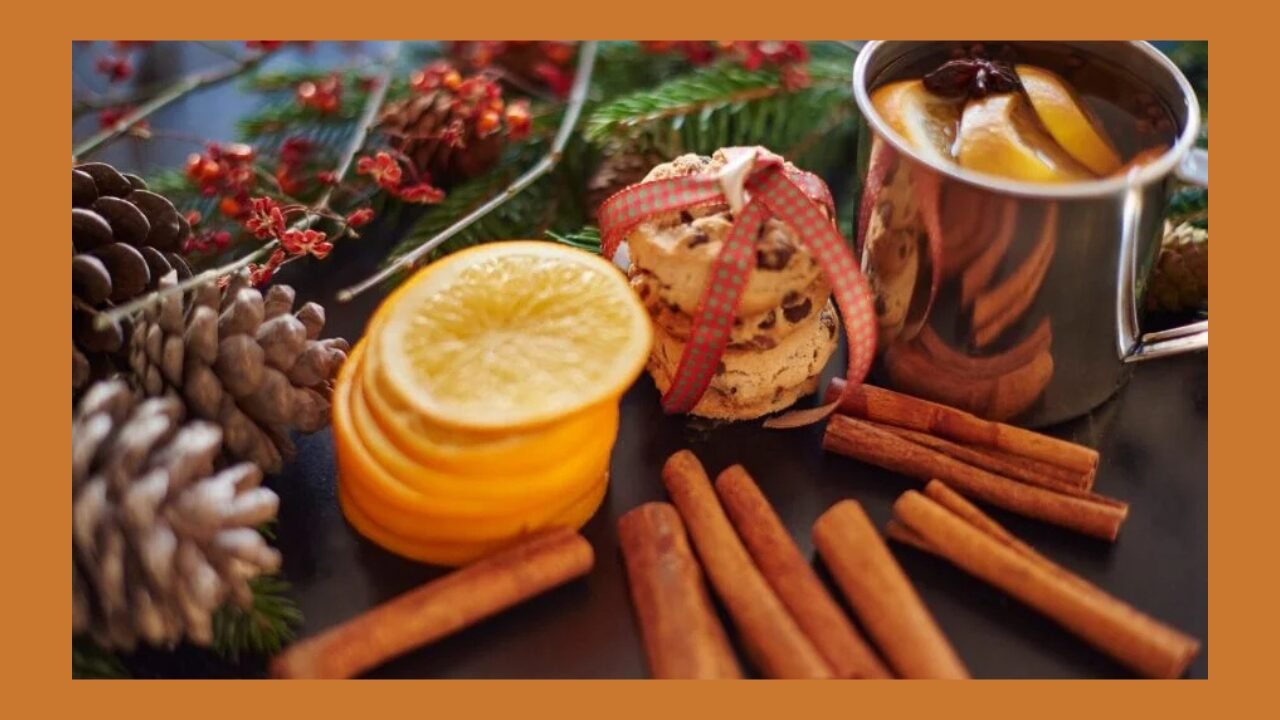
When winter arrives, many people turn to hearty stews, baked dishes, and warming drinks to fight off the cold. Caribbean cuisine, often associated with sunshine and beaches, may not be the first thing that comes to mind during colder months. Yet the region’s culinary traditions are surprisingly well suited to winter cooking. Rich spices, slow-cooked meals, nourishing roots, and aromatic beverages make Caribbean food a perfect choice when temperatures drop. Preparing Caribbean delicacies in winter is about adapting tropical flavors into comforting dishes that warm both body and spirit.
Understanding the Essence of Caribbean Winter Cooking
A blend of African, Indigenous, European, and Asian influences shapes Caribbean cuisine. While the climate is warm year-round, many traditional recipes were designed to be filling, restorative, and intensely flavorful. Soups, stews, braised meats, and hot drinks play an important role, especially during rainy seasons or cooler evenings. In winter, these same dishes become ideal comfort food, offering bold flavors and satisfying textures.
The key to preparing Caribbean delicacies for winter lies in embracing slow cooking, layering spices, and using ingredients that provide warmth and nourishment. Rather than focusing on light beach fare, winter Caribbean cooking highlights root vegetables, legumes, rice dishes, and long-simmered sauces.
Stocking Your Kitchen with Essential Ingredients
Before diving into recipes, it helps to build a pantry inspired by Caribbean staples. Many of these ingredients are easy to find and store well during the winter months. Spices such as allspice, cinnamon, nutmeg, cloves, and ginger are fundamental and naturally warming. Scotch bonnet or habanero peppers add heat that cuts through cold weather, while garlic, onions, and scallions form the base of countless dishes.
Root vegetables like yuca, sweet potatoes, malanga, and plantains are essential. They are hearty, filling, and perfect for soups or stews. Beans, pigeon peas, lentils, and chickpeas provide protein and make meals more satisfying during winter. Coconut milk, often used in Caribbean cooking, adds richness and a comforting creaminess ideal for cold days.
Warming Soups and Stews for Cold Days
One of the best ways to enjoy Caribbean flavors in winter is through soups and stews. These dishes are traditionally shared with family and often cooked in large pots, making them perfect for batch cooking.
Sancocho, a popular stew across several Caribbean islands, is an excellent winter dish. Made with a mix of meats, root vegetables, corn, and herbs, it simmers for hours until the flavors meld into a thick, nourishing broth. Each spoonful offers warmth and depth, making it ideal for chilly evenings.
Another comforting option is fish or seafood soup prepared with coconut milk, herbs, and spices. While seafood may seem summery when served on its own, when combined with a rich broth and served hot, it becomes a satisfying winter meal. Adding dumplings or yuca can turn it into a complete, filling dish.
Hearty Rice Dishes and One-Pot Meals
Rice is a cornerstone of Caribbean cuisine and adapts beautifully to winter cooking. Dishes like rice and beans, rice with pigeon peas, or coconut rice provide warmth and energy. These meals are often cooked in one pot, making them practical for winter when people crave filling food with minimal effort.
To prepare these dishes for winter, consider enriching them with extra spices, slow-cooked meats, or roasted vegetables. Adding caramelized onions, roasted garlic, or smoked proteins can deepen the flavor and create a more comforting texture. Served alongside stewed meats or vegetables, rice dishes become the heart of a winter Caribbean table.
Comforting Meat and Poultry Preparations
Caribbean meat dishes are known for their bold marinades and slow cooking methods. In winter, this cooking style is especially appealing. Jerk chicken or pork, while often grilled, can also be prepared in the oven or slow cooker. The result is tender, aromatic meat infused with spices that provide warmth and complexity.
Braised oxtail, stewed chicken, or slow-cooked beef are also excellent winter options. These dishes are typically simmered in rich sauces with tomatoes, peppers, herbs, and spices until the meat becomes fall-apart tender. Served with rice, mashed root vegetables, or dumplings, they offer the kind of comfort many people seek during colder months.
Root Vegetables and Plantains as Winter Staples
Root vegetables play a central role in Caribbean cooking and are particularly suited to winter meals. Boiled, mashed, or stewed, they provide substance and warmth—plantains, whether green or ripe, can be prepared in various ways that suit winter dining.
Green plantains can be boiled and mashed, like potatoes, to make a dense, satisfying side dish. Ripe plantains, when baked or pan-fried, develop a natural sweetness that pairs well with savory stews. Incorporating these ingredients into your winter menu adds variety while maintaining the meals’ comforting nature.
Traditional Hot Drinks and Herbal Infusions
No winter Caribbean experience is complete without hot beverages. Herbal teas and spiced drinks are deeply rooted in Caribbean tradition and are often used for comfort and wellness. One well-known example is Puerto Rican tea, typically made with herbs, spices, or citrus and served hot to soothe the body on cooler days or when feeling unwell.
Other popular drinks include ginger tea, cinnamon-infused cocoa, or warm milk with nutmeg and cloves. These drinks are easy to make and fill the kitchen with warm, inviting aromas. Sipping a hot Caribbean drink on a cold winter evening can be just as comforting as any soup or stew.
Desserts That Bring Warmth and Nostalgia
Caribbean desserts may be associated with tropical fruits, but many are well-suited to winter. Baked goods such as sweet potato pudding, bread pudding, or coconut-based cakes are dense, spiced, and warming. Ingredients like cinnamon, nutmeg, vanilla, and brown sugar create rich flavors that feel especially comforting in cold weather.
Preparing these desserts in winter allows the spices to shine and transforms them into indulgent treats best enjoyed warm. Served with hot tea or cocoa, they complete a Caribbean-inspired winter meal.
Creating a Caribbean Gourmet Winter Experience at Home
Preparing Caribbean delicacies in winter is not just about recipes; it is also about atmosphere and intention. Cooking slowly, sharing meals with others, and enjoying bold flavors can turn a cold evening into a warm, memorable experience. Even simple dishes can feel elevated when prepared with care and traditional techniques.
By combining classic recipes with winter-friendly cooking methods, you can create a Caribbean gourmet experience that feels both comforting and exciting. The contrast between tropical flavors and winter weather enhances the understanding, offering something different from typical cold-season cuisine.
READ MORE
Embracing Island Flavors All Winter Long
Winter does not have to mean abandoning vibrant flavors. Caribbean cuisine proves that warmth comes not only from temperature but also from spices, textures, and shared meals. By focusing on hearty dishes, slow cooking, and traditional beverages, you can bring the spirit of the islands into your home all season long.
Preparing Caribbean delicacies for winter is an invitation to explore new flavors while enjoying the comfort food you crave. With the right ingredients and a willingness to slow down in the kitchen, Caribbean cooking can become a comforting winter tradition that warms both heart and home.