
The Simplest Way to Manage Inventory, Orders, and Shipping
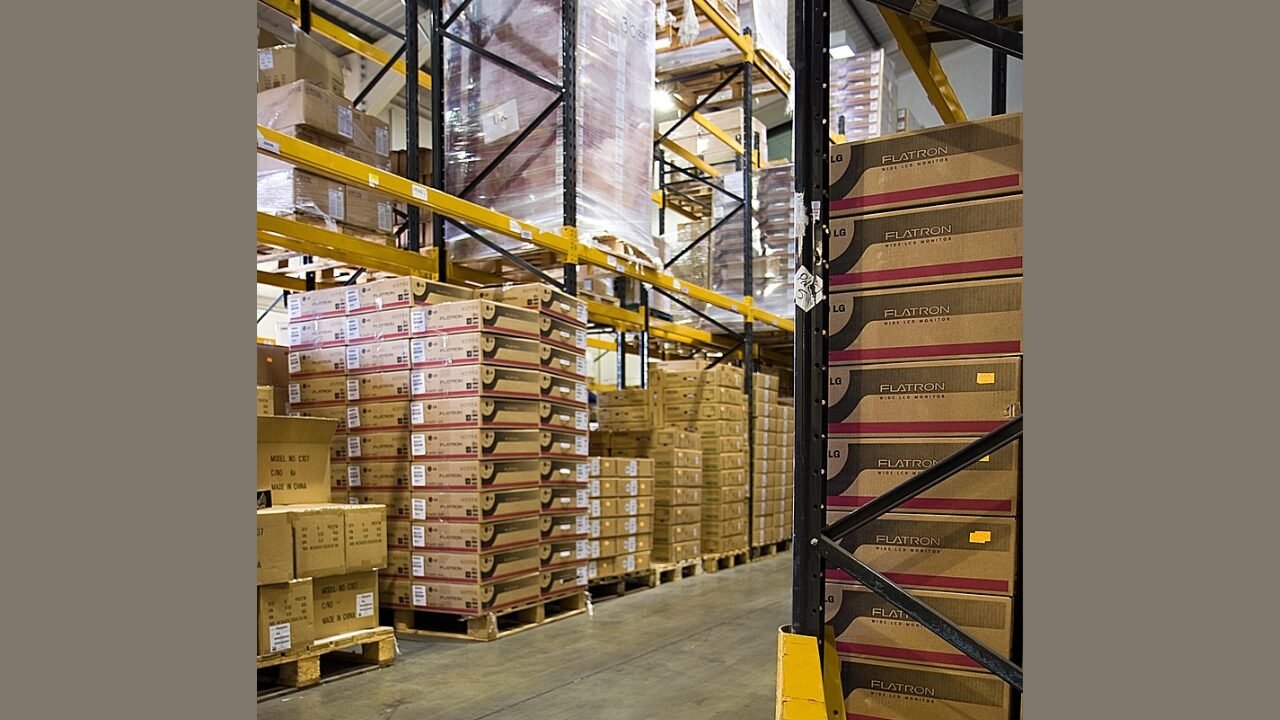
Managing a business, whether a small online shop or a larger retail operation, involves juggling many moving parts. Among the most critical tasks are inventory management, order processing, and shipping. Missteps in any of these areas can lead to missed sales, unhappy customers, and unnecessary costs. Fortunately, modern technology and streamlined processes make it easier than ever to handle these tasks efficiently. Here’s a guide to understanding the simplest way to manage inventory, orders, and shipping.
Understanding the Challenges
The first step in simplifying these processes is recognizing why they are challenging in the first place. Inventory management involves tracking the quantity and location of products, monitoring stock levels, and planning for restocking. Without accurate inventory tracking, businesses risk overstocking or running out of popular items. Overstocking ties up cash and storage space, while stockouts lead to lost sales and dissatisfied customers.
Order management adds another layer of complexity. Each order must be received, verified, processed, and fulfilled. Mistakes in this chain, such as shipping the wrong product or missing an order entirely, can damage your reputation and hurt customer loyalty.
Shipping is the final piece of the puzzle. Shipping involves selecting the right carriers, calculating costs, preparing shipments, and providing tracking information. Errors here can result in delayed deliveries, higher shipping costs, and increased customer complaints.
Managing these tasks manually is not only time-consuming but also error-prone. That’s why adopting an integrated system or method to streamline these processes is crucial.
The Simplest Approach: Integration
The key to simplicity is integration. Using an all-in-one platform that combines inventory management, order processing, and shipping is far easier than juggling separate systems for each task. Integration reduces redundancy, eliminates double-entry, and provides a real-time view of your business operations.
1. Inventory Management Made Easy
Modern inventory management tools allow businesses to track stock in real time. Every sale automatically updates inventory levels, reducing the risk of overselling. Features to look for include:
- Automatic stock updates: Ensures you always know what’s available.
- Low-stock alerts: Prevents stockouts by notifying you when items are running low.
- Reporting and analytics: Helps identify best-selling products, slow movers, and seasonal trends.
By keeping inventory data centralized and accurate, businesses can plan purchases more effectively and maintain optimal stock levels without guesswork.
2. Streamlining Order Management
An integrated order management system (OMS) simplifies the entire order process. When a customer places an order online, the system automatically verifies payment, updates inventory, and generates a packing slip. This minimizes mistakes and accelerates the fulfillment process. Many businesses also partner with fulfilment companies in the UK that handle storage, packing, and shipping on their behalf, allowing them to scale quickly without investing in additional infrastructure.
Important features of a good OMS include:
- Centralized order dashboard: See all orders in one place, regardless of sales channel.
- Automatic notifications: Alert customers to order confirmations, shipping status, and delivery updates.
- Returns management: Simplifies processing returns and exchanges, keeping customers satisfied.
With these tools, businesses can fulfill orders faster and more accurately, leading to higher customer satisfaction.
3. Simplifying Shipping
Shipping can be a headache if managed separately from orders and inventory. Integrated systems allow businesses to streamline shipping by:
- Comparing shipping rates: Automatically find the most cost-effective options.
- Generating shipping labels: Quickly print labels for multiple carriers without leaving the platform.
- Tracking shipments: Provide customers with real-time tracking information.
- Automation: Apply predefined rules for shipping methods, packaging, and carriers.
This integration ensures that shipping is fast, accurate, and cost-effective while keeping customers informed at every step.
Benefits of a Unified System
Switching to an integrated platform for inventory, orders, and shipping brings numerous advantages:
- Time Savings: Automating repetitive tasks frees up time for strategic work, such as marketing and business development.
- Reduced Errors: Automatic updates and centralized data reduce human errors in inventory counts, order processing, and shipping.
- Better Customer Experience: Accurate orders and timely shipping improve customer satisfaction and encourage repeat business.
- Cost Efficiency: Optimized inventory levels reduce storage costs, while automated shipping ensures the use of the most affordable shipping methods.
- Data-Driven Decisions: Centralized reporting helps business owners make informed decisions about inventory purchases, sales strategies, and shipping policies.
Choosing the Right Solution
Selecting the right system depends on your business size, sales channels, and budget. Key considerations include:
- Ease of use: Choose platforms with simple interfaces and a short learning curve.
- Scalability: Choose a system that can grow with your business.
- Integration with sales channels: Ensure it works with your online store, marketplaces, and point-of-sale systems.
- Support and reliability: Check for responsive customer support and proven reliability to avoid downtime.
Some popular integrated solutions include cloud-based platforms that offer plug-and-play integrations for popular marketplaces, payment gateways, and shipping carriers. These platforms typically provide all-in-one dashboards, reporting, and automation features that make managing your business far simpler.
Best Practices for Success
Even with an integrated system, following best practices can maximize efficiency:
- Regularly review inventory levels: Keep tabs on trends and seasonality to prevent stock issues.
- Set reorder points: Automate replenishment so you never run out of popular items.
- Optimize packaging: Choose packaging that balances protection and cost-effectiveness.
- Monitor shipping performance: Track delivery times and carrier reliability to continually improve the process.
- Train staff effectively: Even with automation, well-trained staff ensure smooth operations and quick problem resolution.
Conclusion
Managing inventory, orders, and shipping doesn’t have to be complicated. By adopting an integrated, automated approach, businesses can save time, reduce errors, cut costs, and enhance customer satisfaction. The key lies in choosing the right system, maintaining accurate data, and following best practices to optimize every step of the process. With the right tools in place, even a small business can operate efficiently, scale easily, and provide customers with a seamless buying experience.
The modern business landscape rewards speed, accuracy, and efficiency. Investing in a system that unifies inventory management, order processing, and shipping is not just a convenience—it’s a competitive advantage. Simplifying these core operations allows business owners to focus on growth, innovation, and delivering exceptional service, all while keeping the day-to-day tasks manageable and stress-free.