
The Pros and Cons of Smart Feeders and Pet Cams
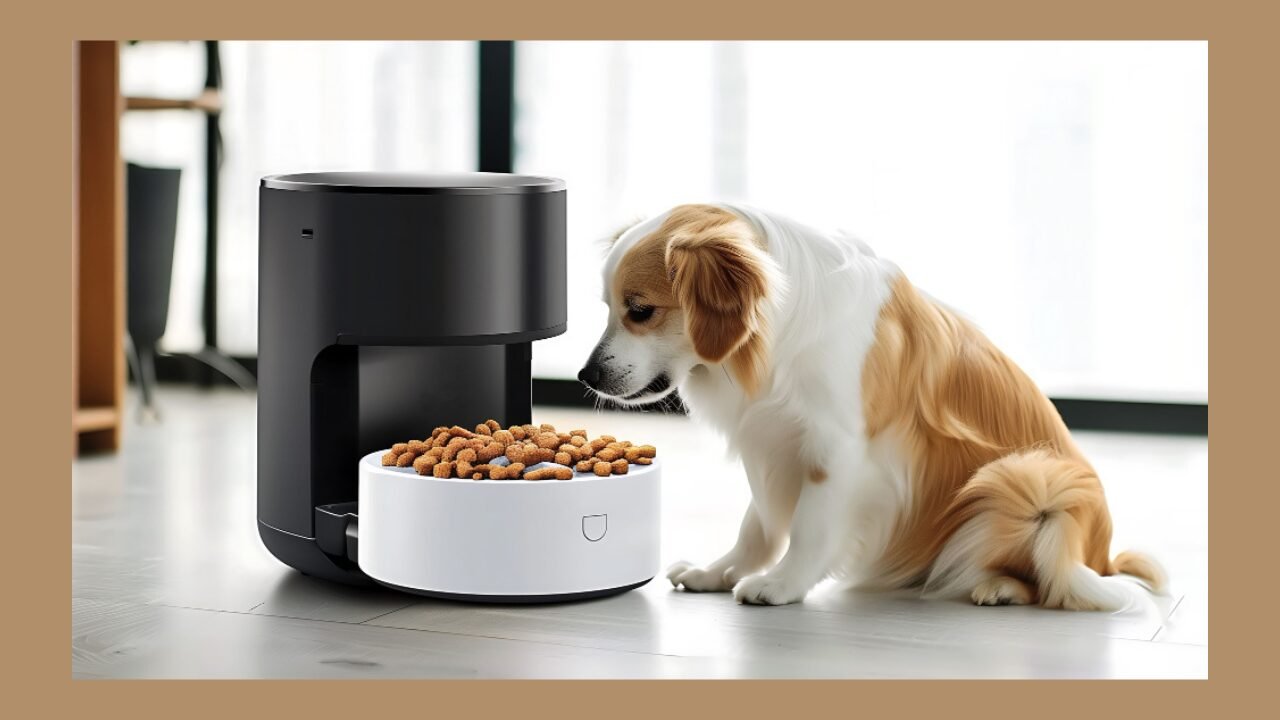
Two popular smart home devices for pet parents are smart pet feeders and pet cameras. These devices offer convenience, peace of mind, and a closer connection with your pet, even when you’re away. However, like any technology, they also have potential downsides that are worth weighing before you buy.
Understanding Smart Pet Feeders
How Automatic Feeders Work
Automatic pet feeders are designed to dispense food for your cat or dog at set times and in controlled portions. Most models feature a food hopper that stores the kibble and a mechanism that releases a measured amount into a bowl according to your schedule.
Many smart feeders can be programmed through a smartphone app, allowing you to adjust feeding times and portion sizes remotely. Some advanced models even incorporate AI to learn your pet’s eating patterns and automatically fine-tune the schedule.
This level of control is invaluable for maintaining a consistent diet, which is crucial for pets with special dietary needs or weight management goals. Overall, ease of use, automation, and the ability to manage feeding from anywhere are key advantages of automatic feeders.
Benefits of Using a Pet Feeder
Smart pet feeders offer several significant benefits, including:
- Convenience for busy owners: They ensure your pet is fed on time, even if you’re stuck at work, traveling, or simply running late.
- Portion control: Accurate, repeatable portions help prevent overfeeding, support weight management, and contribute to better long-term health.
For instance, families preparing to welcome a new dog, especially those who prefer breeds like Goldendoodle puppies, may find that setting up tools such as automatic feeders helps make the transition smoother by establishing a consistent feeding routine that benefits both the pet and the owner.
Potential Drawbacks of Smart Feeders
Despite their advantages, smart feeders do come with some potential drawbacks:
- Risk of malfunction: If the device jams, loses connection, or fails to dispense food, your pet could miss a meal, causing stress for both of you.
- Hygiene requirements: The feeder needs to be cleaned regularly to prevent the buildup of bacteria, mold, or stale food that could make your pet sick.
- Power and connectivity issues: Power outages or Wi‑Fi problems can disrupt the feeding schedule, though some models offer battery backup as a safety net.
- Pet tampering: Curious or determined pets may knock the feeder over or figure out how to trigger extra portions if the design isn’t sturdy enough.
- Higher upfront cost: Smart feeders are more expensive than traditional bowls, which can be a barrier for some pet parents.
Understanding these trade-offs will help you decide whether a smart feeder is genuinely the right fit for your household.
Exploring Pet Cameras
Features of Modern Pet Cameras
Modern pet cameras are packed with features to help you stay connected to your furry companions throughout the day. Many models include:
- 1080p HD video with night vision for clear footage in both bright and low‑light conditions.
- Two-way audio lets you talk to your pets and hear them, providing reassurance when they are alone.
- Treat dispensers that let you reward good behavior or distract an anxious pet remotely through an app.
- Motion and bark alerts that notify you of unusual movement or noise.
- Built-in AI that can distinguish between different types of motion, reducing false alarms from things like shadows or passing cars.
Combined, these features allow pet parents to effectively monitor their pet’s safety, comfort, and behavior from virtually anywhere.
Buying a Pet Camera: What to Consider
When choosing a pet camera, several factors should guide your decision:
- Video quality: Look for at least 1080p HD to clearly see details of your pet’s behavior and environment.
- Night vision: If you’re often out after dark, it’s valuable for checking on your pet in low light.
- Two-way audio: Being able to speak to and hear your pet can help soothe them and reinforce training.
- Motion and sound alerts: Evaluate how accurate and customizable the alerts are so you’re notified only when it truly matters.
- Privacy and security: Research the brand’s security reputation, encryption practices, and update frequency to protect your home and data.
- Storage options: Some cameras require a subscription for cloud storage and advanced features, while others offer local storage via SD card.
- Placement and flexibility: Consider where the camera will sit, the area it needs to cover, and whether you may need to move it between rooms.
Weighing these aspects carefully will help you select a pet camera that fits both your lifestyle and your smart home setup.
How Pet Cameras Help Reduce Worry
Pet cameras provide significant peace of mind by giving you a real-time window into your pet’s day. Being able to open an app and see your pet can quickly ease worries about whether they’re safe, calm, and comfortable.
For pets with separation anxiety, a pet cam can help you spot early signs of distress, such as pacing, whining, or restlessness. Using two-way audio, you may be able to comfort them by speaking gently or calling their name. Motion and bark alerts can also flag unusual activity, like excessive barking or sudden bursts of movement, prompting you to check in or contact a neighbor or pet sitter if needed.
By making it easy to monitor your pet’s behavior and environment, pet cameras help you proactively address issues and maintain a strong emotional connection, even when you’re physically apart.
The Emotional Impact on Pets
How Smart Devices Can Provide Comfort
Smart home devices such as pet cameras and automatic feeders can have a real effect on your pet’s emotional well-being. For some pets, hearing their owner’s voice through a two-way audio camera can provide reassurance during long periods alone. A feeder that delivers meals on a predictable schedule can also reduce stress around food and waiting.
Treat-dispensing cameras add another layer of comfort: the ability to reward calm behavior, distract from stressors, or turn alone time into something more positive. For example, you might toss a treat when your dog settles quietly rather than barking at outside noises.
However, it’s essential to pay attention to how your pet reacts. Some animals may be unsettled by the sound of a disembodied voice or startled by a mechanical treat dispenser. Observing your pet’s body language and behavior will help you decide whether these devices are truly soothing or unintentionally stressful.
Monitoring Anxious Pets with Technology
Technology can be a powerful tool for monitoring and managing anxiety in pets. Pet cameras equipped with motion and bark alerts can quickly alert you to signs of distress when you’re away. Real-time HD video lets you see exactly what your pet is doing, how often they show anxious behaviors, and what might be triggering them.
Some advanced pet cams use AI to detect specific behavior patterns, such as pacing, circling, or excessive grooming, which are often associated with anxiety. With this information, pet parents can:
- Adjust the environment (for example, closing blinds, adding white noise, or providing puzzle toys).
- Interact via two-way audio to offer reassurance.
- Share observations and footage with a veterinarian or behaviorist for professional guidance.
Consistent, real-time monitoring can significantly improve the quality of life for anxious pets and provide their owners with much-needed peace of mind.
Keeping an Eye on Your Precious Furry Friends
Using pet cameras to monitor your pets has clear benefits, but it also raises significant privacy and security considerations. To protect your home and personal life:
- Select trusted brands that focus on security and provide regular software updates.
- Create strong, unique passwords and turn on two-factor authentication when possible.
- Place cameras thoughtfully, avoiding areas where sensitive conversations, documents, or personal activities might be captured.
- Review the terms of service to understand how your video footage and data are stored, processed, and shared.
- Stay on top of firmware updates to patch potential vulnerabilities.
Balancing constant access to your pet’s world with strong privacy practices helps ensure that pet cameras enhance safety and well-being without compromising security.
Making the Right Choice
Comparing Smart Feeders and Pet Cameras
When deciding between a smart pet feeder and a pet camera, start by clarifying your primary goals:
- Choose a smart feeder if your top priorities are maintaining a consistent feeding schedule, managing portion sizes, and ensuring your pet gets their meals on time when you’re away.
- Choose a pet camera if your primary focus is observing your pet’s behavior, reducing separation anxiety (yours or theirs), and interacting with them remotely.
For many pet parents, the ideal solution is a combination of both devices: an automatic feeder to handle nutrition and a camera to provide a visual and emotional connection. The proper setup depends on your pet’s needs, your routine, and how you prefer to stay involved in their day-to-day life.
Cost Considerations for Pet Owners
Smart pet devices span a wide price range, so it’s essential to factor in both upfront and ongoing costs:
- Smart feeders: Basic models that dispense food on a schedule are generally more affordable. Premium feeders with app control, multiple feeding modes, and AI-powered adjustments cost more.
- Pet cameras: Prices vary based on video quality, field of view, night vision, two-way audio, and extras like treat dispensers or laser toys.
- Subscriptions and extras: Many brands charge monthly or annual fees for cloud storage, advanced AI alerts, or a longer video history. You may also need to budget for batteries, dispenser treats, or replacement parts.
Weigh the features you genuinely need against your budget. The best value device is the one that reliably supports your lifestyle and your pet’s well-being without creating financial stress.
READ MORE
Final Thoughts on Smart Devices for Pets
Smart devices like pet cameras and automatic feeders can be powerful tools for modern pet care. Pet cameras let you monitor behavior, spot signs of anxiety early, and talk to your pets from anywhere. Automatic feeders help ensure meals are delivered on time and in the proper portions, supporting healthy routines.
At the same time, it’s essential to remain mindful of potential downsides, including technical malfunctions, privacy concerns, and how your individual pet responds emotionally to these gadgets. By carefully considering your goals, budget, and your pet’s unique temperament, you can determine whether smart feeders, pet cams, or both are the right additions to your smart home.
Used thoughtfully, these tools can provide real peace of mind while helping your pets feel safe, secure, and cared for—no matter where you are.