
How Renewable Energy Fits into Modern Construction and Home Design
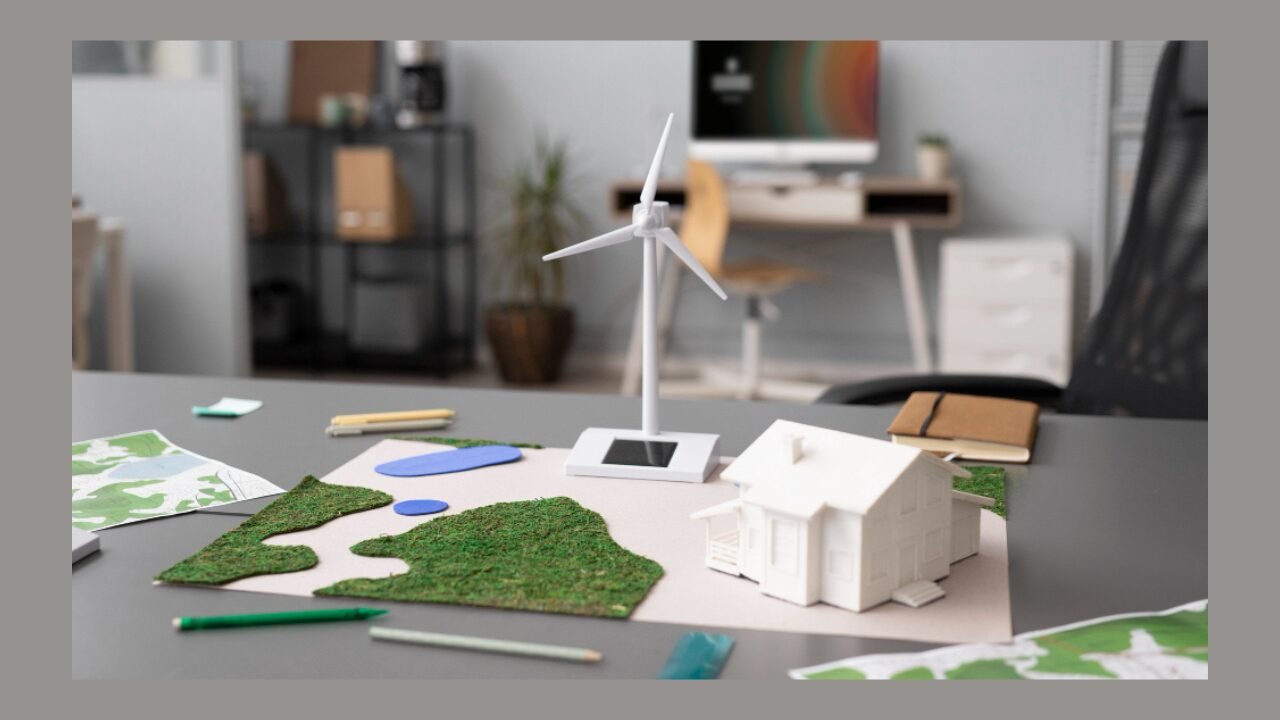
Renewable energy has become an increasingly important consideration in modern construction and home design. As concerns about climate change, energy security, and long-term sustainability grow, renewable technologies are being integrated into residential buildings not only as add-ons but as core design elements.
Understanding how renewable energy fits into the built environment helps explain broader shifts in construction practices, planning priorities, and environmental regulation.
The Shift Toward Energy-Efficient Homes
Modern homes are designed with energy performance in mind. Improvements in insulation, glazing, and building orientation aim to reduce overall energy demand before renewable technologies are even introduced.
This “fabric-first” approach prioritises reducing heat loss and maximising efficiency. Renewable energy systems then build on this foundation by supplying cleaner energy to meet the remaining demand.
As a result, renewable energy is increasingly seen as part of a holistic design strategy rather than a standalone feature.
Common Renewable Technologies in Residential Buildings
Several renewable energy technologies are now commonly associated with residential construction and renovation.
Solar photovoltaic systems are among the most widely adopted, converting sunlight into electricity that can be used directly within the home. Solar thermal systems, which generate heat rather than electricity, are also used to support domestic hot water needs.
Other technologies, such as air source heat pumps and battery storage systems, are often integrated alongside solar installations to improve overall efficiency and energy independence.
Integrating Renewable Energy into Home Design
The successful integration of renewable energy depends on how well systems are incorporated into the overall building design. Roof orientation, shading, available space, and electrical infrastructure all influence system performance.
In new-build homes, renewable technologies can be planned from the outset, allowing architects and engineers to optimise layout and aesthetics. In existing properties, retrofitting renewable systems requires careful assessment to ensure compatibility with the building’s structure and usage patterns.
Design considerations also include future adaptability, allowing homes to accommodate evolving technologies and changing energy needs.
Environmental and Social Benefits
The environmental benefits of renewable energy in residential settings are well-documented. By reducing reliance on fossil fuels, renewable systems help lower carbon emissions and decrease the environmental impact of housing.
Beyond environmental outcomes, renewable energy can also contribute to energy resilience and cost stability. Households that generate some of their own energy are less exposed to fluctuations in energy prices and supply disruptions.
These factors have made renewable energy an important topic within environmental studies, urban planning, and construction research.
Renewable Energy and Building Regulations
Building regulations and planning policies increasingly reflect the importance of renewable energy. Many regulatory frameworks encourage or require energy-efficient design and low-carbon technologies in new developments.
Compliance with these regulations ensures that renewable systems are installed safely and perform as intended. It also provides consistency across the construction industry, supporting broader sustainability goals.
Understanding how renewable energy aligns with regulatory requirements is an important area of study for those examining modern construction practices.
Applying Renewable Energy in Real-World Contexts
While renewable energy is often discussed in theoretical terms, its practical application is key to understanding its role in modern housing. Examining how solar and renewable energy solutions are implemented in real residential settings helps illustrate how design principles, regulations, and technology intersect.
These real-world examples demonstrate how renewable systems are selected, installed, and integrated within existing constraints, such as building layout and local infrastructure.
They also highlight challenges, including upfront costs, technical limitations, and the need for skilled professionals to ensure correct implementation.
Long-Term Performance and Maintenance
Renewable energy systems are long-term investments, and their effectiveness depends on proper maintenance and monitoring. Solar panels, for example, generally have long lifespans but still require periodic inspection to ensure optimal performance.
Considering maintenance requirements during the design phase helps ensure systems remain effective over time. This reinforces the idea that renewable energy should be viewed as part of a building’s ongoing lifecycle rather than a one-time installation.
Lifecycle analysis is, therefore, an important concept for evaluating the sustainability of residential energy systems.
The Role of Renewable Energy in Future Housing
As environmental targets become more ambitious, renewable energy is expected to play an even greater role in housing design. Advances in technology continue to improve efficiency, reduce costs, and expand the range of applications.
Future homes are likely to combine renewable energy generation, energy storage, and smart management systems to create more autonomous and resilient buildings.
Studying these trends provides insight into how construction and energy systems are evolving together.
READ MORE
Final Thoughts
Renewable energy has become a fundamental component of modern construction and home design. By integrating energy-efficient design with clean energy technologies, residential buildings can reduce environmental impact while supporting long-term sustainability goals.
Understanding how renewable energy fits into the built environment, both in theory and in practice, offers valuable insight into the future of housing and construction. As research and innovation continue, renewable energy will remain central to shaping responsible, forward-looking residential design.