
Modern building materials: what clients actually need to know
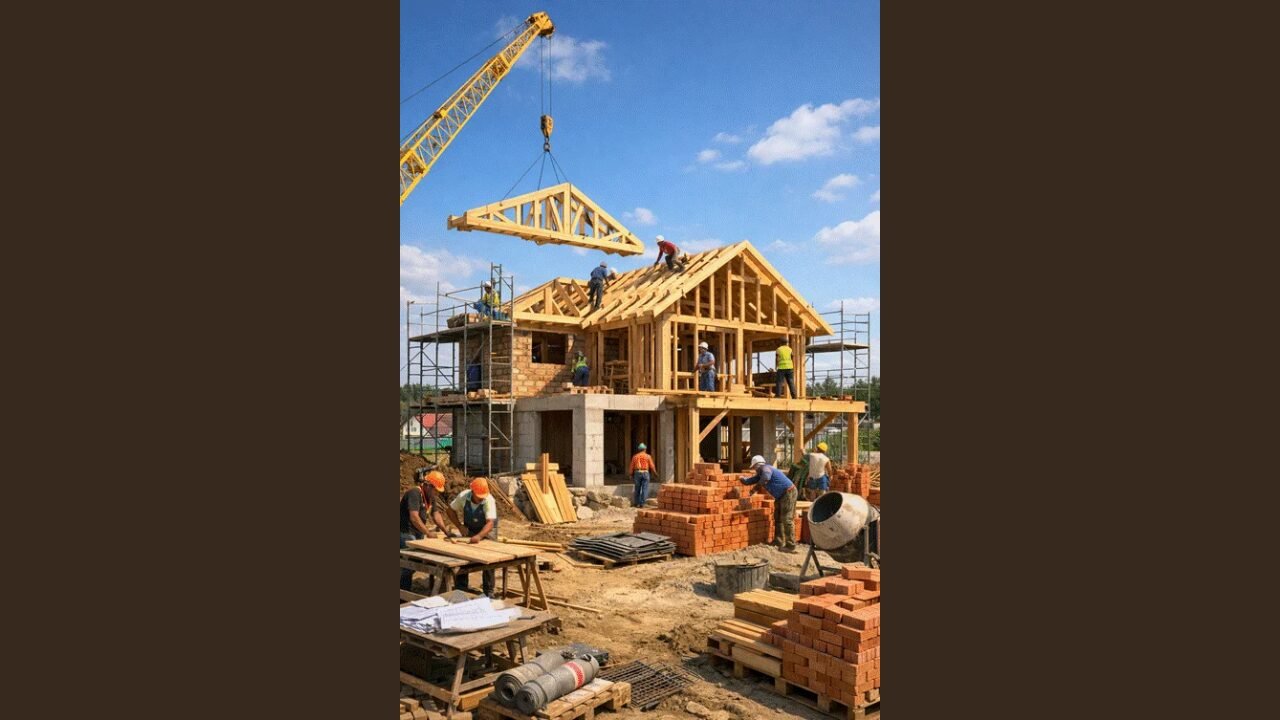
Planning a construction or renovation project can feel overwhelming — especially when it comes to choosing the right materials. At SV Projects, we guide clients through every decision, from foundations to finishing touches, ensuring the result is both durable and cost-effective. The materials you choose will determine not only how your building looks, but how it performs for decades to come. So here is a straightforward guide to what is currently available and what is worth your attention.
Insulation: the investment that pays for itself
One of the most significant advances in recent years has been in insulation technology. Modern mineral wool, rigid foam boards, and spray polyurethane foam offer thermal performance that older materials cannot match. For UK climates in particular, proper insulation is not a luxury — it is a necessity. Done correctly, it reduces heating bills substantially and keeps interiors comfortable year-round.
Aerogel insulation, once reserved for aerospace applications, is now increasingly accessible for residential and commercial builds. Its exceptional thermal resistance makes it ideal for projects where space is limited but performance cannot be compromised.
Structural materials: concrete is not what it used to be
Traditional concrete remains a staple, but the industry has moved on considerably. High-performance concrete mixes now incorporate fly ash, silica fume, and recycled aggregates — making them stronger, more durable, and significantly more environmentally responsible than their predecessors.
Cross-laminated timber, or CLT, deserves special mention. This engineered wood product has transformed how architects and builders approach mid-rise construction. It is lighter than concrete, carbon-negative in production, and surprisingly fire-resistant when used to sufficient thickness. Many clients are initially sceptical — until they see the results.
Vitaliy Navrotskyy, director of SV Projects: “In my experience, clients who invest in quality materials at the outset rarely regret it. It is those who cut corners early that end up spending more on repairs and upgrades down the line. The conversation about materials should happen before any work begins — not halfway through.”
Smart glass and faсade systems
Glazing technology has advanced dramatically. Modern double and triple-glazed units with low-emissivity coatings significantly reduce heat loss whilst maximising natural light. For commercial projects, electrochromic smart glass — which adjusts its tint in response to sunlight — is becoming increasingly popular, reducing glare and cooling costs simultaneously.
Rainscreen cladding systems, combining ventilated cavities with high-performance outer panels, now offer both exceptional weather resistance and a wide range of aesthetic finishes — from natural stone to fibre cement.
Sustainability is no longer optional
Clients increasingly ask about environmental credentials, and rightly so. Recycled steel, reclaimed timber, and low-carbon cement alternatives are all viable options for projects of most scales. Beyond materials themselves, whole-life carbon calculations — accounting for manufacture, transport, installation, and eventual disposal — are becoming standard practice among responsible contractors.
Choosing sustainable materials is not simply an ethical position. It adds long-term value, reduces maintenance costs, and increasingly satisfies planning requirements across the UK.
READ MORE
The bottom line
The right materials for your project depend on your budget, timescale, and long-term goals. There is no universal answer — but there is always a best answer for your specific situation. Taking the time to understand your options before breaking ground is the single most valuable thing you can do as a client.
Read Also: tips decoradyard