
Lipo Laser vs. Cavitation: Which Machine Suits Your Body Contouring Goals?
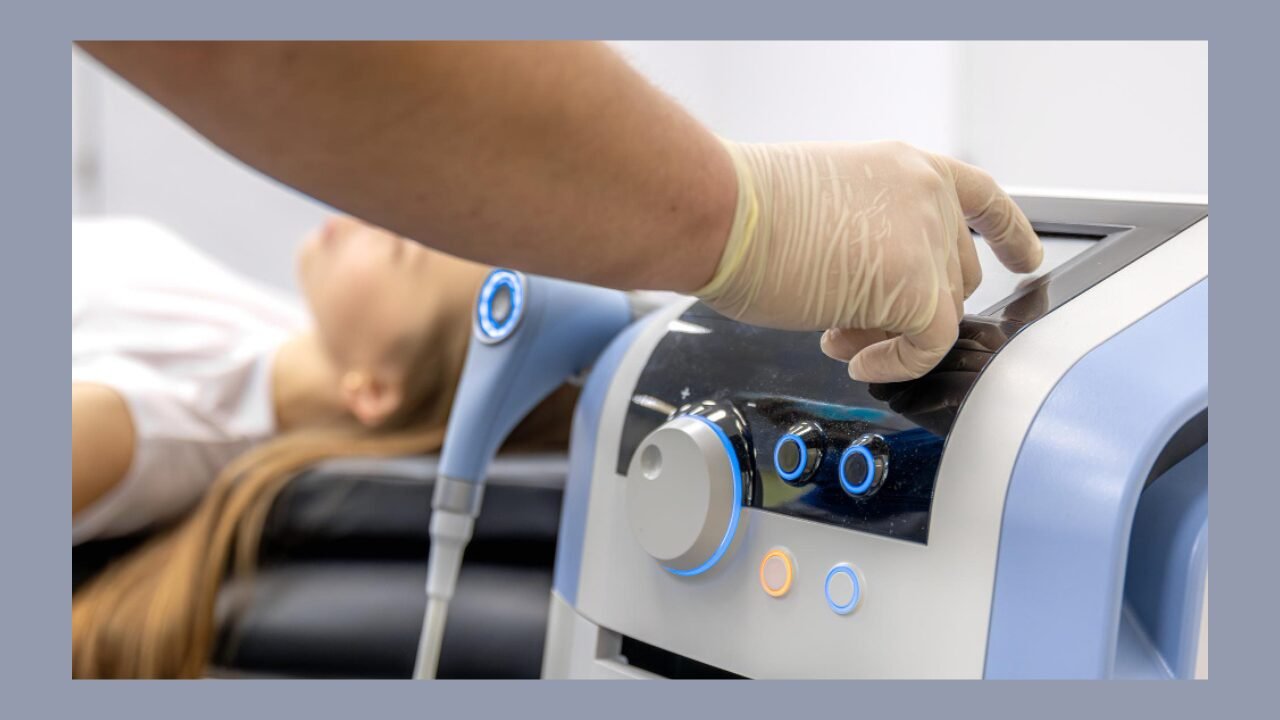
You’re looking for a way to shape your body without surgery, and you’ve probably heard about lipo laser and cavitation. These two popular treatments both promise to reduce stubborn fat, but they work in different ways.
Lipo laser uses laser energy to break down fat cells, while cavitation relies on ultrasound waves to target fat deposits. Each method has its own strengths depending on your body type and goals. Choosing between them doesn’t have to be confusing once you understand how they compare.
This guide breaks down what makes each treatment unique, who benefits most from each option, and what you can expect during and after your sessions. You’ll also learn about safety considerations and whether combining the two treatments might yield better results.
Lipo Laser vs. Cavitation: Core Differences
Lipo laser uses focused laser energy to target fat cells, while cavitation relies on ultrasound waves to break down unwanted fat. Both are non-invasive body contouring options, but they use different technologies to help you reach your goals.
How Lipo Laser Works
Lipo laser, also called laser lipolysis, delivers low-level laser energy through your skin to reach the fat cells beneath the skin. The laser heats these cells, causing them to release their stored contents. Your body then naturally removes this fat through your lymphatic system over time.
This fat reduction technology often helps tighten your skin while removing fat. The laser can boost collagen production, which gives you smoother results. You typically need several sessions to see your best results.
How Cavitation Works
Ultrasonic cavitation uses sound waves to create tiny bubbles around fat cells beneath your skin. These bubbles put pressure on the fat cells until they break apart. Your body then processes and removes the released fat naturally through your metabolism.
This body-sculpting method works well for stubborn areas that don’t respond to diet and exercise. You might see some changes after just one session, though multiple treatments give you better results.
Non-Invasive vs. Minimally Invasive Techniques
Both treatments are considered non-invasive body contouring methods. You won’t need surgery, cuts, or needles for either option. This means no recovery time, and you can return to your normal activities right away.
Who Each Treatment Is Best For
Both body contouring treatments work differently and suit different people based on their goals and body type.
Ideal Candidates for Lipo Laser
A lipo laser machine works well if you’re close to your target weight but struggle with stubborn fat areas that won’t budge with diet or exercise. This treatment fits people who want faster results and don’t mind a bit of downtime.
You’re a good fit if you have small, localized fat deposits, such as under your chin, upper arms, or love handles. The treatment also helps tighten loose skin, making it useful after weight loss.
People who can’t handle invasive surgery but want noticeable changes quickly often choose this option.
Ideal Candidates for Cavitation
Cavitation machines are perfect if you want a completely pain-free experience with zero recovery time. This treatment suits busy people who need to return to normal activities right away.
You’re ideal for this if you’re targeting larger areas and don’t mind attending multiple sessions. It’s gentle and works well for cellulite reduction, too.
Targeted Fat Reduction and Body Areas
Lipo laser targets smaller areas such as the chin, arms, and abdomen. Cavitation effectively targets larger areas such as the thighs, stomach, and hips.
Treatment Experience and Results
Both treatments require multiple sessions to see results, but they differ in how quickly you’ll notice changes and the amount of downtime you’ll need.
Treatment Sessions and Downtime
Lipo laser typically requires 6 to 12 treatment sessions scheduled weekly or every other week. Each session lasts 20 to 40 minutes, depending on the area you’re treating.
You can return to your normal routine immediately after each visit. There’s no downtime so that you can schedule appointments during lunch breaks or between errands.
Ultrasonic cavitation also requires 6 to 12 sessions for optimal results. Sessions usually last 30 to 50 minutes per treatment area.
Like lipo laser, cavitation is completely non-invasive and requires no recovery time. You might experience mild redness or warmth that fades within hours.
Skin Tightening Benefits
Lipo laser stimulates collagen production in your skin through gentle heat. This collagen stimulation helps tighten skin as fat cells shrink, improving your body’s contours over several weeks.
Cavitation primarily targets fat cells. It provides some skin tightening through improved circulation, but the effect is less pronounced than the lipo laser.
Gradual Results and Maintenance
Both treatments deliver gradual results over 2 to 4 months. You’ll notice a 2-to 4-centimeter reduction in circumference, on average, across your treatment areas.
Regular exercise and healthy eating help maintain your body-contouring results over the long term.
Safety, Side Effects, and Considerations
Both treatments are generally safe when performed correctly, though each comes with its own set of temporary effects and care requirements that you should know about before starting.
Potential Side Effects
Laser lipo and cavitation are non-invasive, so serious complications are rare. You might experience mild discomfort during treatment, but most people tolerate both procedures well.
With laser lipo, some clients notice bruising or sensitivity in treated areas. The laser energy can cause minor skin reactions in people with sensitive skin.
Cavitation uses ultrasound waves that may cause a buzzing sensation in your ears during treatment. This is normal and goes away quickly. You should drink plenty of water after cavitation to help your body flush out the broken-down fat cells.
Temporary Swelling and Redness
Your skin will likely show some redness right after either treatment. This usually fades within a few hours.
Temporary swelling is common with both methods. The treated area might feel puffy or tender for 1-2 days. This is your body’s natural response, signaling that the treatment is working.
Post-Treatment Care
Stay hydrated after your session to help your lymphatic system remove fat. Drink at least 8 glasses of water daily for the first week.
Light exercise helps move the released fat through your system. Gentle walks are perfect during recovery. Avoid intense workouts for 24-48 hours to let your body adjust.
Combining Lipo Laser and Cavitation for Enhanced Results
Some clinics offer both treatments together to maximize fat reduction and improve body contouring outcomes. This combined protocol targets stubborn fat from multiple angles at once.
Combined Protocols: How They Work
Using lipo laser and cavitation together creates a powerful fat reduction treatment. Cavitation breaks down fat cells using ultrasound waves. Lipo laser then helps drain the released fat through your lymphatic system.
Most practitioners apply cavitation first to loosen larger fat deposits. Then they follow with lipo laser to target specific areas and tighten skin. This sequence makes each slimming machine work better than it would on its own.
The combined approach typically requires fewer sessions. You might see results faster because both methods work simultaneously. This saves you time and often costs less than doing each treatment separately.
Who Should Consider Combination Treatments
You’re a good candidate for combined treatments if you have multiple problem areas. This approach works well when you want both fat loss and skin tightening.
People with stubborn fat that hasn’t responded to diet and exercise often benefit most. The combination helps refine the contours of your abdomen, thighs, and arms.
Talk to your provider if you’re looking for faster results. Combined treatments aren’t right for everyone, especially if you’re pregnant or have certain health conditions.
READ MORE
Alternative and Complementary Fat Reduction Methods
Beyond laser lipo and cavitation, other fat-reduction treatments can help you reach your body-contouring goals. Cryolipolysis offers a different approach, while combining methods might give you better results.
Cryolipolysis and Other Technologies
Cryolipolysis freezes fat cells using controlled cooling. This treatment targets stubborn fat by cooling specific areas to a temperature that breaks down fat cells without harming your skin.
The frozen fat cells die, and your body removes them naturally over several weeks. This method works well for areas like your abdomen, thighs, and love handles.
Other body contouring options include:
- Radiofrequency treatments that heat and tighten skin
- Injection-based fat reduction
- Vacuum therapy for lymphatic drainage
Each technology has different costs and treatment times. Cryolipolysis machines are typically more expensive than cavitation devices.
Choosing the Right Body Contouring Solution
Your choice depends on your specific goals and the areas you want to treat. Consider your budget, how much time you have for treatments, and what results you expect.
Some professionals combine treatments for better outcomes. For example, cavitation can reduce fat in larger areas while laser lipo targets smaller spots.
Talk with a trained professional about your options. They can assess your needs and recommend the best fat reduction treatment plan for you.