
Learning to drive: 10 things no one tells you

Many people say learning to drive is simple: just book lessons, pass your theory and practical tests, and you’re done. However, after years of teaching learners across the UK, we understand it can feel more challenging than that.
At driveJohnson’s, we see that learners often share the same questions, worries, and frustrations. Most people only find this information out once they start learning. Knowing it early can help you feel less stressed and make learning to drive easier.
Here are ten things we wish every learner knew about learning to drive, but that people rarely talk about.
1. Progress looks different for everyone
Many learners are surprised that progress isn’t always linear. Some lessons go well, while others feel harder. This is entirely normal.
Everyone who learns to drive learns at their own pace, and comparing yourself to others is not helpful. Your individual pace will depend on many factors, including how often you practise, your learning style, confidence, and the roads you drive on. If you find yourself taking longer than you expected, it does not mean you cannot do it.
2. Manoeuvres and parking often feel more complicated than driving
Many learners find that manoeuvring and parking are more complex than simply driving along the road. It can feel much trickier to be precise when manoeuvring the car when you are not used to it. However, with practice and steady guidance, the car will start to move like a natural extension of you, and manoeuvring it as needed will become much easier. Expect this to take slightly longer to master.
3. Mistakes are a key part of learning
When you are learning to drive, mistakes are not failures; they indicate which skills you need to practice. Trying to avoid every mistake can actually slow you down, making you feel more anxious and self-critical. The learners who improve most are usually those who accept their mistakes, learn from them, and move on.
4. Lessons go beyond passing the test
Passing your practical driving test is essential, but it should not be the final goal. At driveJohnson’s, we want you to be able to drive safely and confidently on your own, long after your lessons end. This means our instructors will give you a toolkit of skills to handle unexpected situations the test doesn’t fully cover, such as new routes, heavy traffic, and bad weather. Expect to cover more than just what you will cover on your test day.
5. Small habits make a big difference
It might seem repetitive at first, but checking your mirrors, signalling clearly, and other such routines are the basics of driving and will keep you safe on the road. If you practise them regularly, they become automatic. Over time, good habits help you make fewer mistakes, make better decisions, and feel less stressed while driving.
6. Learning happens outside the car, too
Driving lessons are just one part of learning to drive. Knowing the Highway Code, road signs, and how to spot hazards really helps when you’re on the road.
That is why we suggest learners support their lessons with theory revision and online resources. The more you know the rules of the road, the easier it is to drive safely and confidently.
7. Driving changes with the weather
Different types of weather can affect your driving more than you may expect. Rain, fog, ice, and strong winds can change how well you see, how quickly you can stop, and how you control the car.
Learning to adjust your speed, position, and awareness for the weather is an integral part of safe driving. This skill develops over time as you drive in different conditions.
8. Country lanes have many hazards
Country roads might look quiet, but they can be some of the hardest places to drive. Narrow lanes, sharp bends, poor visibility, mud, animals, cyclists, and oncoming cars all mean you need to be extra careful.
Learning to spot hazards and read the road ahead on country lanes is a key skill that builds your confidence and safety.
9. Feeling unready for your test is normal
If your driving instructor thinks you are ready to take your test, but you’re not, this is normal. When you have the pressure of a driving test approaching, it can be easy not to see the progress you have made and the skills you have developed. Bear in mind that the practical test looks for safety and awareness, not perfection. Your driving instructor will know if you are prepared for the test.
10. Confidence can dip after you pass
Passing the test won’t instantly take away your nerves. Many new drivers feel less confident when they first drive alone. This is a normal part of the building experience. As you drive on your own more, your confidence grows quickly, and things that once felt overwhelming soon become routine.
READ MORE
Key takeaways on learning to drive
Learning to drive is rarely as simple as people expect, but it is more achievable than many learners think. Ups and downs, nerves, and moments of frustration are all regular, and they do not mean that you have failed.
With realistic expectations, regular practice, and clear guidance, learning to drive will become less intimidating. Over time, early uncertainty will turn into confidence, independence, and driving skills that will help you drive safely long after you pass your test.
Author
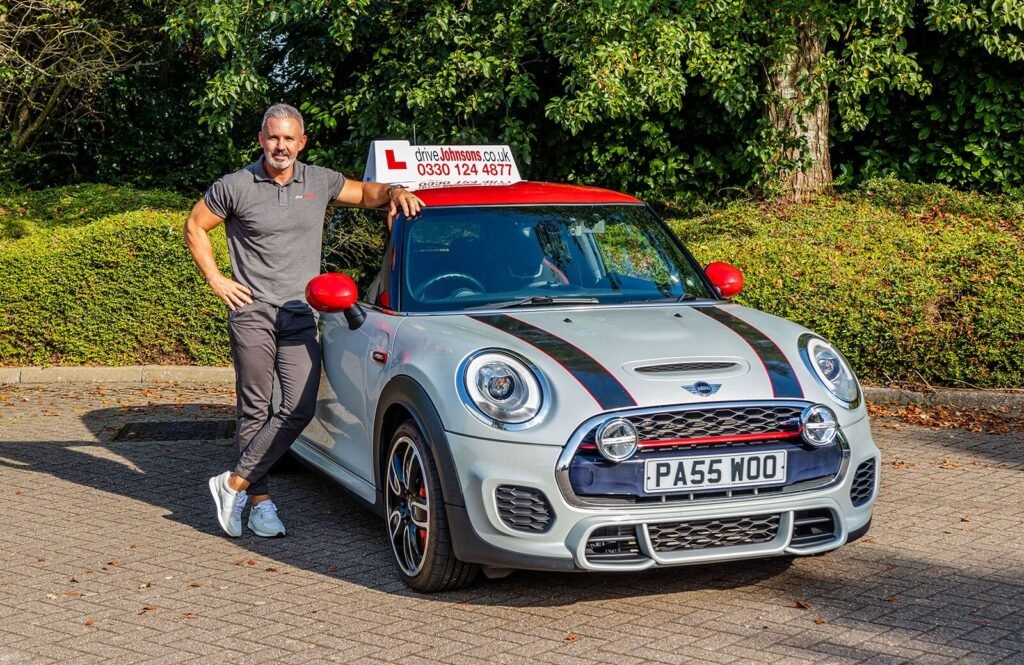
Anthony Johnson
Anthony, the owner and Director of driveJohnson’s Driving School, built the business around the belief that all learner drivers deserve high-quality driving tuition. In 2005, he established driveJohnson’s, starting with just himself and his car, and it has since grown to one of the UK’s largest driving schools with over 800 instructors. Covering more than 1000 areas across the country, driveJohnson’s Driving School is the trusted and popular choice for learner drivers looking for expert guidance and confidence on the road.