
Indoor-Outdoor Living in Urban Spaces: How Modern Homes Blur the Lines
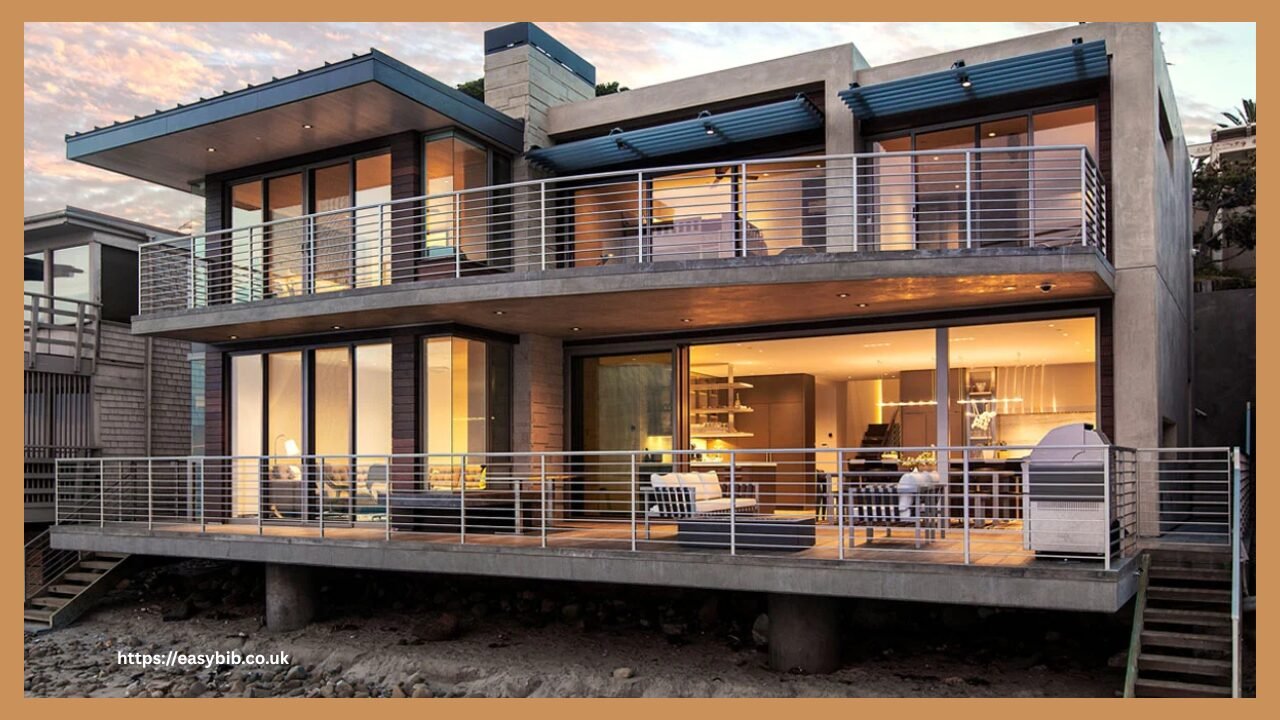
Historically, living in a big city meant that the idea of outdoor space was more than a luxury; it was something few could afford. Most people were relegated to the apartments and condominiums of their urban predecessors and would be happy with a small balcony to expand their horizons. But modern living and architecture are changing the game, creating innovative opportunities to develop places where one can call home without even leaving. From the most enormous operable skylights to disappearing glass walls, home builders and architects are transforming how people think about basic city structures.
City dwellers are taking a page from suburban living, but this isn’t just about needing more space. Aside from convenience, however, home and apartment owners recognize the importance of mental health and quality of life. It turns out people feel better when they have access to nature and its elements, and modern construction techniques support longstanding perceptions of urban living and construction.
Ceiling Be Gone!
In major city environments, ceiling height is always at a premium, but that doesn’t mean builders are relegating traditional roofs solely to headroom and weather-barrier considerations anymore. One way to capitalize on the open sky above, with no expansion potential, is through large operable skylights and roof systems that create open-air environments on days when the weather cooperates.
Sliding skylights, for example, are a new trend where part of a roof slides away entirely, allowing once-closed spaces to become courtyard-like open areas on demand. Because many people live in tight quarters, especially in large urban areas, it’s more practical to design for access to the sky rather than to horizontal space, which is often inaccessible.
Newer motorized systems include weather sensors and smart home responses for adjusting the skylights based on interior temperature needs. If there’s a perfect day, the skylights may slide open; if rain approaches, they’ll close automatically.
Next Generation Glass
Whereas large windows featuring floor-to-ceiling glass have been a trend over the past few decades, more recent glass technology has enabled entire glass walls to slide away, fold back, or disappear entirely into the ground. No longer are people confined by what material is expected; now, there is nothing separating people from outdoor access, even when indoors.
Sliding glass doors work well in urban penthouses or loft-style apartments with outdoor terraces or courtyards that can act as an extension of the interior usable space. When fully opened, sliding glass walls can transform smaller spaces into twice or three times their size, creating the illusion of larger spaces without paying for additional square footage.
The engineering in newer systems includes sophisticated panel-sliding systems that stack panels out of the way rather than opening in a single direction. Pivot systems can fold entire walls like an accordion for easy access. Luxury installations can even allow for glass panels to slide into their pocket on the floor and disappear entirely.
The Next Best Thing To Outdoor Access: Vertical Gardens
In urban settings, horizontal space isn’t always accessible. However, many people are opting for vertical solutions instead – a living wall or integrated planting systems. Such designs bring natural foliage elements into biophilic spaces and provide aesthetic access to outdoor beauty when windows are open.
These systems aren’t just for aesthetics; they’re integrative systems designed to improve indoor air quality and natural humidity levels while providing mental health benefits from daily exposure to living plants. Sophisticated hydroponic systems and automated watering systems allow even the busiest city dwellers to enjoy plants without the need for consistent maintenance.
Newer installations allow for entire vertical gardens with changing foliage every season, as well as opportunities for birdlife and insect homes that bring urban wildlife closer than ever.
Outdoor Rooms Are All The Rage!
People want true outdoor rooms these days – covered terraces and balconies that act as extensions of usable interior rooms. When people want to grill in the middle of Manhattan or cozy up around a fire in Brooklyn, without covered opportunities, it gets complicated!
Covered terraces and outdoor rooms increase year-round usability in harsher climates, offering weather-resistant furniture, outdoor kitchens, and even heating systems that extend the season.
In urban environments where privacy is a concern more often than not, retractable awnings, moveable screens, and even privacy hedges help create intimate atmospheres that function much like their indoor counterparts without truly being relied upon by anyone but their occupants.
Furthermore, extensive heating systems expand the temperature potential – no one wants to be chilly while outdoors during September’s last warm days! Systems cover additional square footage without expanding walls or paywalls for reconstruction.
Integration With High-Tech Systems
In modern life – especially when virtual solutions are implemented – the best way for indoor and outdoor living to work together is through advanced technology that connects them. Whether it’s motorized sun shades or air filtration units equipped with rain sensors adjusting conditions when they don’t match ideal expectations, it makes sense for these integrated systems to WORK together – even when occupants are absent.
Outdoor sensors can measure wind speed, humidity, and temperature readings, while precipitation forecasts help keep individuals dry without climbing out of bed at 2 am when it’s raining. Internal units can even monitor air quality based on pollen counts, air pollution levels, and other environmental factors common only in primary urban settings.
In more private environments, these systems can all run through smart home integrated modules.
Climate Unique & Challenges Faced
It’s essential to recognize that not all solutions are best suited for all climates; naturally, Mediterranean or mild coastal environments allow year-round opportunities for indoor-outdoor living; extreme continental climates offer less of an attractive life; however, with thoughtful sensitivity regarding heating options, wind protection, and home orientation, outdoor possibilities can be far more comfortable through added insulation strategies when temperatures drop.
Indoor-outdoor living is a challenge in cities due to noise (hello, traffic) and privacy concerns (who wants their neighbor staring at them while they’re having dinner?). These issues can be easily minimized through thoughtful landscaping choices (water features counter noise; fences separate properties).
Furthermore, sound-absorbing materials strategically placed between interior spaces provide privacy without detracting from the appeal of natural light and airflow.
READ MORE
What’s The Big Deal?
Giving people access to more space with tangible benefits is always good news, as most adults prefer expansive square footage to cramped quarters. Natural light helps regulate circadian rhythms; outdoor air improves respiratory health; and direct access to natural elements supports stress relief and mental health.
For many city dwellers who lack access to nature, suburban dwellers take gardens for granted. These designs make city dwellers even more sustainable and satisfied in the long term by providing what they didn’t have before.
Ultimately, blurring indoor-outdoor living means more than just an architectural trend, as it illustrates how quickly quality-of-life improvements override what once made sense as an assumption of city living!