
How to Maximize Your Property Value with Outdoor Renovations That Include Professional Landscaping
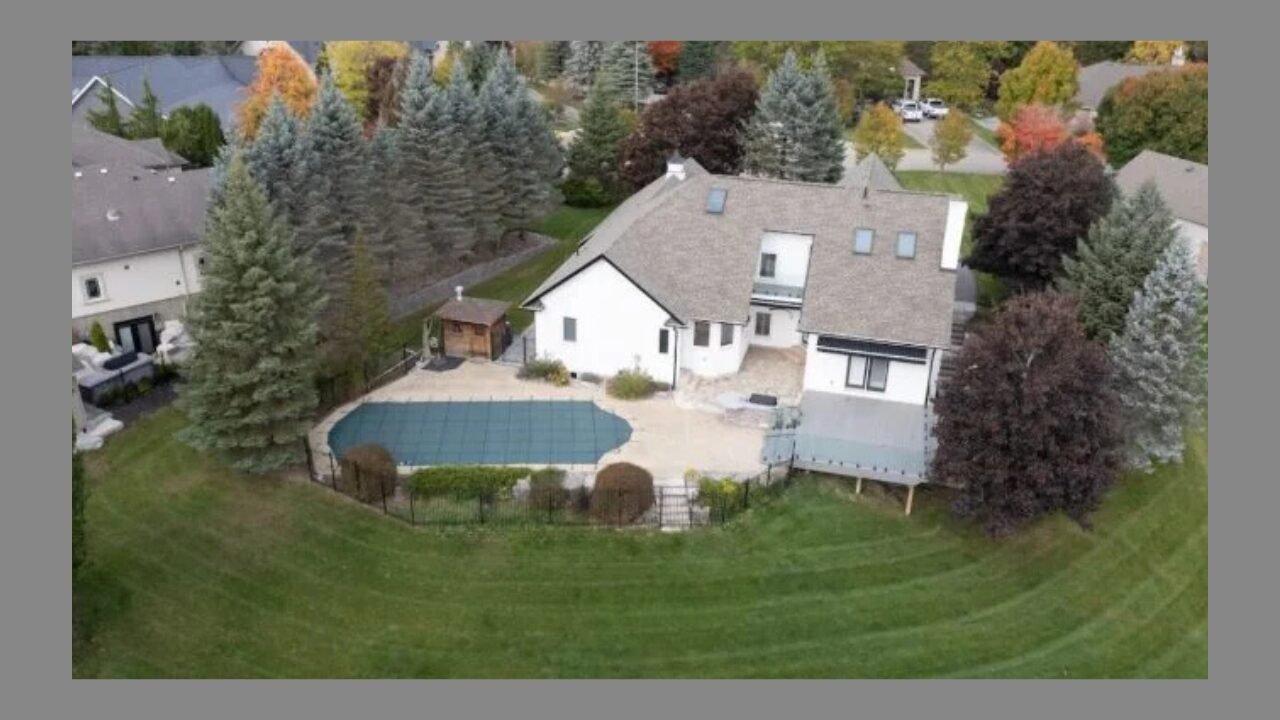
Your yard is not just “the green bit” around your house. It’s packaging. Buyers judge the product by its packaging.
Real estate agents won’t always say it out loud, but here’s how it really works: if your front yard and outdoor spaces look neglected, buyers mentally discount your house before they’ve even touched the doorknob. If the exterior looks dialed in, they assume the interior is cared for as well, and they pay more, move faster, and negotiate less.
So if you’re sitting there wondering where to put your next chunk of home-improvement cash, kitchen, bathroom, or landscaping, you’re not crazy for hesitating. Outdoor renovations can quietly move your property value in a big way when they’re done right… or quietly drain your budget when they’re random, trendy, or DIY’d past their limits.
The Real ROI of Landscaping (Without the Fluff)
Let’s address the money question first: Does landscaping actually increase your property value, or is it just “pretty”? Short answer: It moves a lot more than most people think.
Industry studies (and actual offer prices) regularly show that solid landscaping can increase perceived home value by 5–15%. Not every project. Not every yard. But a well-designed, low-maintenance outdoor setup absolutely affects what buyers are willing to pay and how quickly they decide.
Now, if you’re in Mississauga or anywhere in the GTA, there’s another layer: harsh winters, freeze-thaw cycles, and heavy use on driveways and walkways. Cheap installs fail early here. That’s where leaning on professional landscaping services in Mississauga stops being “nice to have” and becomes basic risk management: proper base prep, drainage, and climate-appropriate materials that protect both appearance and structure.
As a ballpark estimate, aim to spend 5–10% of your home’s value on landscaping and outdoor upgrades over time, especially if the yard has been neglected for years. You do not need to drop that all at once. Phasing is your friend. But you also don’t want a $1M house with a $2,000 yard, it looks… off.
Start with the Front: Curb Appeal That Actually Sells
Your front yard is your book cover. People decide whether they “like” your house from the street long before they notice your quartz counters.
If you’re overwhelmed, start here. Always prioritize the front yard over the backyard if you’re planning to sell within 1–3 years.
High-Impact Front Yard Upgrades
- Clean, defined entry path: Forget the cracked, crooked concrete slab. A simple interlocking stone walkway with clean edging instantly looks more expensive and safer.
- Obvious, welcoming front door: Clear sightlines. No overgrown shrubs swallow the entrance. A couple of well-sized planters frame the door. Lighting that says, “This is the way in.”
- Simple, layered planting: One decent tree, a structured line of shrubs, and some perennials. Not a chaotic botanical collection hobby.
- Neat lawn or intentional alternative: Either a healthy, trimmed lawn or a clearly designed low-maintenance solution (stones, groundcover, mulch, shrubs). Patchy grass is what cheap looks like.
- Driveway that doesn’t scream “repair me”: Interlock or well-maintained asphalt is fine. Trip hazards and giant cracks are not.
If you’re on a tight budget, front yard money goes here:
- Fix anything safety-related (steps, handrails, broken pavers).
- Get the lawn or ground cover under control.
- Add a simple, straightforward path and a few clean-lined plant beds.
- Upgrade lighting so the house doesn’t vanish at night.
That sequence alone can make a tired property jump to the top of buyers’ shortlists.
Hardscaping: Where the Big Value Usually Lives
Hardscaping is the non-living stuff: patios, walkways, stone borders, retaining walls, steps, and interlock. This is where much of your ROI lies, because it changes how people can use the space.
Also, where DIY goes spectacularly wrong. Mis-graded patios that push water toward the foundation, undersized bases that heave and shift after one Ontario winter, retaining walls that bulge like a bad bookshelf. Buyers and home inspectors spot this instantly.
Hardscaping Projects That Tend to Pay Off
- Stone patio or well-built deck: A clear outdoor “room” for dining and lounging is huge. Even a modest 10’x12′ patio in the right spot can transform a meh backyard into “we’ll actually use this.”
- Interlocking walkway and/or front steps: Clean, non-slip, wide enough for two people. Adds a subtle “this house was cared for” signal.
- Retaining walls that solve real problems: When done right, they fix grading, control erosion, and create flat usable areas. When done wrong, they terrify buyers.
- Driveway upgrades: In the GTA, interlocking driveways are basically shorthand for “this homeowner didn’t cheap out.” But don’t overspend if you’re in a street full of basic asphalt; match the neighbourhood tier.
For a climate like Mississauga’s, base preparation is everything. Deep, compacted base, proper drainage, and materials rated for freeze-thaw cycles. If your hardscape looks fantastic in the first season but shifts and settles after the first winter, buyers don’t see “value”; they see “problem to inherit.”
Softscaping: Greenery That Makes Your House Look More Expensive
Softscaping is the living side: lawn, plants, trees, and garden beds. This is what shows up first in photos. It’s also where people go overboard with personal taste, inadvertently undermining resale appeal.
The goal: clean, structured, not fussy. Buyers should see “easy to live with,” not “weekend maintenance prison.”
Smart Softscaping Moves
- Healthy, consistent lawn, or a clear alternative: In most GTA suburbs, buyers still expect some lawn. If your grass is a significant issue, sod installation is often worth it before listing. If you’re going low-lawn, make it deliberate and nicely edged.
- Simple planting plan around the house: Foundation shrubs, a few perennials, maybe a focal tree—layered height (low plants at the edge, taller at the back). Leave breathing room; do not cram every garden-centre impulse buy into one bed.
- Trees with a long-term story: Shade on the back patio, privacy from neighbours, and maybe reduced cooling costs. Just avoid massive, foundation-threatening species right next to the house.
- Year-round interest: Evergreen structure plus some spring/fall colour. You want the house to photograph well in more than one season, not just when tulips are cooperating.
- Native / climate-appropriate plants: GTA-native or well-adapted species = less babying, less water, fewer dead spots.
If you’re not a plant person, don’t try to bluff it. Hire a designer for a basic planting plan once; you’ll live off that plan for years.
Design Principles That Actually Increase Value (Not Just Pinterest Likes)
You can throw money at a yard and still not move your property value if the design is random. Buyers don’t want your personal fantasy garden. They want a yard that makes sense and doesn’t look like it’ll eat their spare time.
Stuff That Helps Your Value
- Cohesive style with the house: Modern house with ultra-traditional curvy beds and a million cottage flowers? Weird. Match the architecture: straight, clean lines for modern builds; softer curves for traditional builds.
- Clear sightline to the front door: No shrub wall. No tree dead center blocking views. People want to see where they’re going.
- Logical zones in the backyard: One spot to eat, one to sit and relax, somewhere kids or pets can move, maybe a tucked-away utility side for garbage cans and storage.
- Privacy without fortress vibes: Fences, hedges, or privacy screens that feel intentional, not like you’re hiding from a crime scene.
- Safe, accessible circulation: non-slip surfaces; gentle steps; handrails where needed; adequate lighting. Older buyers and families with kids both care about this.
If you’re ever unsure about a design choice, ask this: Would this scare off at least 30% of buyers? Outdoor kitchen with pizza oven in a starter-home neighbourhood? Maybe. Giant koi pond with no fencing where toddlers will visit? Definitely.
Professional Landscaping vs DIY: Where the Line Actually Is
Yes, you can absolutely do some of this yourself. No, you probably shouldn’t try to do all of it.
DIY makes sense when:
- You’re doing bare planting, mulching, or weeding.
- You’re freshening up existing beds with new plants, edging, and top-up mulch.
- You’re staining or cleaning a deck, or power washing existing stone.
- You’re handy, have the time, and the project doesn’t touch grading or structural elements.
Paying a pro is usually the more brilliant financial move when:
- Anything involves grading or drainage (water around your foundation = an inspection nightmare).
- Hardscaping is bigger than a small garden path.
- You’re installing retaining walls, steps, or multi-level patios.
- You’re planning a full-yard redesign and don’t want a patchwork mess after 3 years of “winging it.”
Buyers can smell amateur work. Uneven pavers, awkward slopes, and odd plant placement all read as “future repair bill.” That’s why professional landscape design and installation often deliver a better ROI than the same money spent on DIY projects.
How to Work with a Local Landscaping Pro (and Not Get Steamrolled)
If you’re in Mississauga or the broader GTA, you face specific conditions: clay-heavy soils in some areas, ice and snow, salt, city bylaws, and tight suburban lots. A local landscaper who handles this every season knows where projects fail and which materials hold up.
Here’s a simple way to handle the process.
Step 1: Get a Real Site Assessment
Before you talk about pergolas or fire pits, you want someone looking at:
- Existing grading and where water flows after heavy rain.
- Sun/shade patterns through the day.
- Soil conditions and drainage issues.
- Traffic patterns, how people actually move from the driveway to the door to the backyard.
If a landscaper jumps straight to picking materials without asking about these, that’s a red flag.
Step 2: Ask for a Phased Plan, Not Just a Quote
A good landscaping company can lay out: “If you only do one thing this year, do X. Next year, add Y and Z.”
This protects your budget and your sanity. You get a master plan that keeps everything coherent, but you don’t have to fund it all at once. And you avoid the classic mistake, installing a patio, then ripping it up two years later to fix drainage or add utilities.
Step 3: Grill Them (Politely) on the Important Stuff
Questions to ask, with no shame:
- Are you fully licensed and insured?
- Who will actually be on site, your crew or subcontractors?
- What kind of base prep do you do for patios/driveways? How deep? How compacted?
- How do you handle drainage around the house?
- What materials do you recommend for GTA winters, and why those?
- Do you offer a written warranty on labour (e.g., 3–5 years)? What does it cover?
- Can I see recent projects similar to mine, before and after?
A landscaper who does solid work will not be offended by these. They’ll usually be relieved to talk to someone treating it as an actual investment rather than “just some plants.”
Climate & Seasonal Reality Check (GTA Edition)
You’re not landscaping in California. You’re designing for four seasons, and one of them wants to destroy your hard work.
Things a decent designer in the GTA thinks about that DIYers often ignore:
- Snow storage – Where does the plow or shovel pile it? Are you burying plants, damaging a hedge, or applying salt to delicate surfaces?
- Freeze-thaw cycles – Are materials rated for this? Is your base deep enough? Is drainage good enough to avoid water sitting and freezing under pavers?
- Salt exposure: Which plants, stones, and metals can withstand road salt and de-icers?
- Access in winter: Are the front walks and steps safe to clear? Are there awkward corners that will always be icy?
Designing with winter in mind protects your resale value and your repair budget. That “cheap now, fix later” mindset gets very expensive here.
Protecting Your Investment: Maintenance That Keeps Value High
Landscaping is not a one-and-done job. Ignore it for two seasons, and your property can slide backwards fast.
- Lawn care – Mowing, edging, occasional fertilizing or overseeding, or at least keeping alternatives weed-free.
- Pruning and cleanup – Shrubs trimmed so they don’t block windows or paths, dead branches removed, fall leaves cleared.
- Hardscape upkeep: power wash, re-sand interlock joints, fix loose stones, reseal where appropriate.
- Irrigation sanity – Not flooding one corner while another patch dies. Drip or soaker systems can quietly keep things looking “expensive” with minimal effort.
If you’re not outdoorsy, getting a seasonal maintenance package from your landscaper is often cheaper than letting things deteriorate and doing a big rescue project right before you sell.
If You’re Selling in the Next 12 Months: Do This, Skip That
Short runway? You’re not building your dream yard, you’re staging your property.
High-ROI Moves on a Tight Timeline
- Fix anything broken, unsafe, or obviously neglected outside.
- Fresh mulch, clean edges, simple plant touch-ups.
- Power wash the driveway, walkway, and any existing stone.
- Add or fix basic path and porch lighting.
- Consider sod or lawn repair in the most visible areas.
Usually Not Worth Starting Right Before Listing
- Major custom water features.
- Overly complex gardens that scream “high maintenance.”
- Huge outdoor kitchens in starter-home areas.
- Anything that takes months to settle or mature before it looks good.
Your goal is to remove reasons for buyers to hesitate or mentally subtract from your asking price. That’s it. Clean, safe, welcoming, low-maintenance-looking.
Quick Priority Lists by Budget
If You Have Around $5,000
- Clean up and edge all existing beds.
- Mulch, basic planting refresh, and shrub trimming.
- Targeted lawn repair or partial sod.
- Simple front walkway upgrade or lighting package.
This budget is “make it look sharp in photos” money. Not a complete transformation, but definitely enough to bump curb appeal and reduce buyer objections.
If You Have Around $10,000–$20,000
- Proper front walkway and entrance upgrade (interlock, steps, planters).
- A small but well-built backyard patio or deck zone.
- Complete planting plan for front and key backyard zones.
- Some privacy screening (fence or plant-based) if your lot is exposed.
This is where you shift from “tidy” to “this place feels really nice to live in.” That feeling is precisely what makes buyers stretch their budgets.
READ MORE
Final Thought: Treat Your Yard Like Part of the House, Not an Afterthought
Outdoor renovations and professional landscaping aren’t just about impressing the neighbours. They change how people experience your home, how they feel when they approach the door, and how they imagine their life there.
If you plan projects in the correct order, front yard first, structural fixes and hardscaping next, planting and finishing touches on top, and lean on real professionals for the heavy, technical stuff, you’re not “spending on the yard.” You’re quietly moving your property into a higher bracket, where buyers don’t argue about every little thing… because the whole place feels like it’s worth it.