
How to Plan a Chemical Safety Program for Schools and Universities
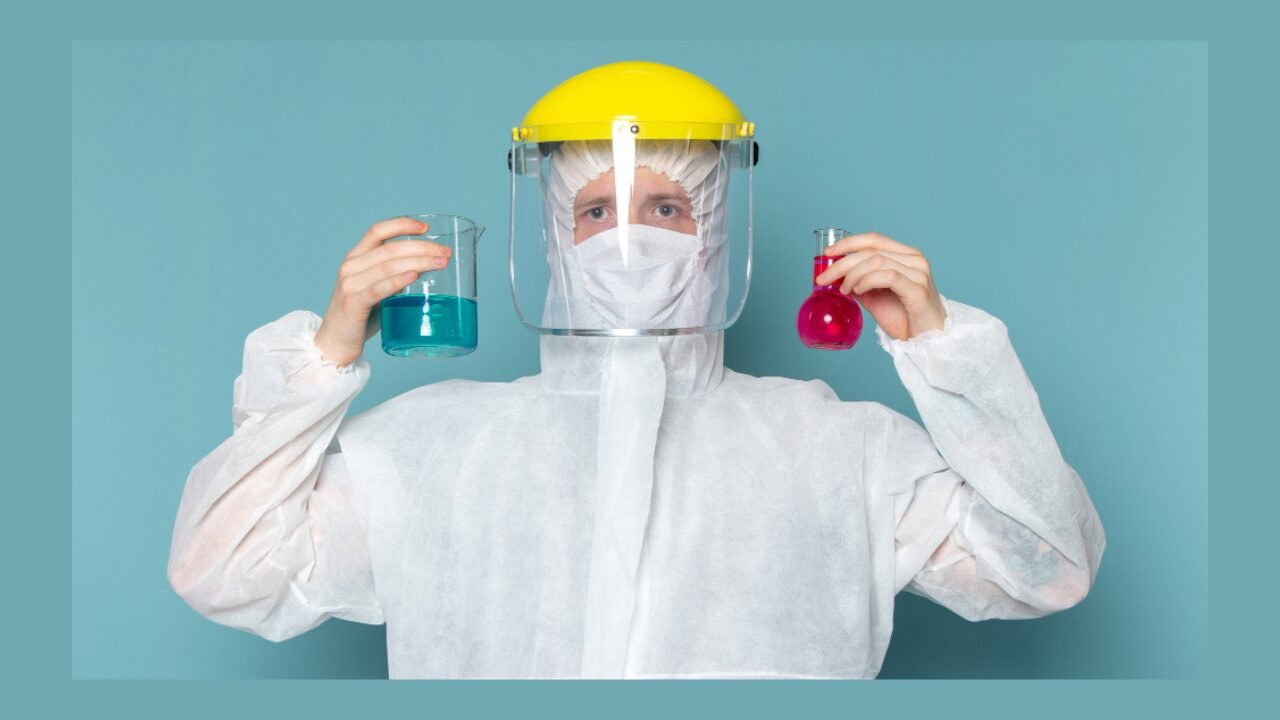
School and university laboratories are essential for hands-on learning, but they also store hazardous chemicals that can pose serious risks. When these substances are not handled, stored, or disposed of properly, they can quickly pose significant risks to students, teachers, and lab staff. Clearly, a strong chemical safety program is necessary. It’s not just a regulatory requirement. Instead, it is essential to protect students, faculty, and lab staff from avoidable incidents.
Every year, academic institutions report accidents ranging from minor chemical spills and skin irritations to fires, toxic exposures, and sometimes life-altering injuries. Many of these incidents result from improper chemical storage, lack of PPE, missing safety data sheets (SDSs), poor ventilation, or simple human error. Beyond immediate harm, such events can disrupt academic schedules. Moreover, these can damage equipment and result in legal and financial liabilities for the institution.
Clearly, educational organizations need a well-structured chemical safety program. It helps mitigate these risks by establishing a transparent, standardized approach to the handling, storage, and disposal of hazardous materials. But how do you plan it? Continue reading this guide to gain impactful, practical ideas.
Why is Planning Chemical Safety Essential for Schools and Universities?
Students and staff work with substances that can be harmful if they are mishandled. Even a basic experiment with a specific product can irritate the skin, release fumes, or react unexpectedly. Without proper planning, like clear safety rules, organized storage, and accessible emergency procedures, small mistakes can quickly turn into serious incidents. With a well-planned safety approach, it’s possible to create a learning environment where students can focus on exploration and experimentation without unnecessary risk.
Understand the Scope of Chemical Use
Planning an effective chemical safety program begins with a thorough knowledge of what chemicals are being used and how they move through your campus. Schools and universities differ a lot in their chemical needs. Understanding this scope helps you design safety measures that fit your environment.
• Types of Chemicals Used in Schools vs. Universities:
Schools typically use simpler and less hazardous chemicals. They require basic acids and bases, dilute solutions, salts, and common laboratory reagents for introductory experiments. These are usually low-risk. However, proper handling and supervision are still necessary. Universities, however, work with a much larger and more complex range of chemicals. Research labs may use flammable solvents, strong oxidizers, concentrated acids, carcinogens, reactive metals, biological agents, and specialized research-grade chemicals.
• Mapping all Areas where Chemicals are Stored or Handled:
Chemicals are rarely limited to a single room. They may be found in many other locations, such as teaching labs, research labs, prep rooms, chemical stockrooms, storage cabinets, and waste disposal areas. Creating a location-specific map is effective, as it ensures that safety equipment, ventilation systems, and emergency plans are in the right place. This mapping also makes it easier to track inventory, prevent incompatible chemicals from being stored together, and respond quickly during an emergency.
• Identifying High-Risk Laboratories and Departments:
Not all labs carry the same level of risk. A general science classroom may use only basic solutions. On the other hand, a university’s organic chemistry or microbiology lab may regularly work with flammable, toxic, or reactive materials. High-risk departments, such as chemistry, biology, engineering, or materials science, need closer monitoring, more frequent inspections, and stricter safety protocols. Identifying these areas early helps institutions focus their resources effectively. It ensures that the most hazardous spaces receive the attention, training, and safety equipment they require.
Establish a Chemical Safety Team
A strong chemical safety program depends on the people who manage it. That’s why creating a dedicated chemical safety team is one of the first and most important steps for any school or university. This team brings together individuals who understand lab operations, safety rules, and student behavior. All of these ensure that safety isn’t just a policy on paper.
Key Roles
- Safety Officer:
A safety officer leads the overall safety effort. Their role is to ensure the institution complies with safety regulations, organizes training programs, updates procedures, and conducts regular laboratory inspections.
- Faculty Members:
They supervise experiments and teach students how to work safely. They also ensure that safety rules are followed during classes and research activities. They play a significant role in reinforcing safe habits.
- Lab Technicians:
Lab technicians manage daily lab operations. Mainly, they prepare chemicals, maintain equipment, organize storage areas, and often notice potential issues before they become serious problems.
- Students:
Students can also be included in the team to encourage responsibility and better communication. After all, students help promote safe behavior among their peers and support a strong safety culture within the lab.
Safety Committee Structure
A safety committee must include safety officers and be supported by faculty from major departments such as chemistry, biology, and engineering. Lab technicians and student representatives must also serve on the committee. After all, they serve as additional members who can provide practical insights. The committee should meet regularly to review safety procedures, discuss incidents and near misses, and plan training sessions.
Accountability and Reporting
For the ultimate success, each team member should have clearly defined responsibilities. For instance, they must manage SDS access, check storage conditions, maintain PPE supplies, or oversee waste disposal. Besides, a proper reporting system also needs to be in place. This may include incident reporting forms, lab inspection checklists, and channels for students or staff to raise safety concerns anonymously.
Perform Chemical Risk Assessments
After understanding each Chemical and its uses, the next step is to evaluate the associated risks. In easy terms, chemical risk assessments are necessary, and here’s why:
1. Identifying Chemical Hazards
The first step in any risk assessment is determining what makes each Chemical hazardous. This includes checking whether it is flammable, corrosive, toxic, reactive, or carcinogenic. Safety Data Sheets (SDSs) are handy here. These documents clearly outline chemical hazards. By understanding these properties, lab staff can plan safe handling procedures, select appropriate PPE, and ensure proper storage.
2. Exposure Route Evaluation
Next, it’s essential to understand how students or staff might be exposed to these chemicals. Common exposure routes include skin contact, inhalation of fumes, and accidental ingestion. Evaluating exposure routes helps institutions determine the precautions needed, such as improved ventilation, fume hoods, gloves, goggles, or spill-control measures.
3. Special Risks
Some substances carry unique safety challenges. Compressed gases can leak and displace oxygen while creating suffocation hazards or explosion risks. Cryogenic liquids, such as liquid nitrogen, can cause severe frostbite and pressure buildup in sealed containers. Moreover, nanomaterials may appear harmless but can enter the body through inhalation or skin contact, and their long-term health effects remain under study.
4. Chemical Compatibility and Segregation Needs
Not all chemicals can be stored together. Some react violently when mixed. For example, storing oxidizers near organic solvents or acids near bases can lead to hazardous reactions. A risk assessment helps identify which chemicals must be kept apart. Besides, it ensures they are stored in the correct cabinets with proper labeling. Following chemical compatibility charts and organizing storage areas by hazard class significantly reduces the risk of fires, explosions, or toxic releases.
Create a Chemical Hygiene Plan (CHP)
For schools and universities, an effective chemical hygiene plan (CHP) is essential. Here’s why:
1. Written Procedures for Handling, Storage, and Disposal
A CHP must include clear, step-by-step procedures for the use, storage, and disposal of chemicals. This may cover everything from labeling containers and measuring chemicals safely to storing incompatible substances and managing hazardous waste. When procedures are written down, everyone—students, faculty, and lab staff—has a consistent reference to follow. This reduces errors, improves efficiency, and ensures that safety practices remain the same across all labs.
2. Standard Lab Conduct Rules
Every CHP should also list the basic rules that apply to all laboratory activities. These may include requirements such as wearing PPE, not eating or drinking in the lab, tying back long hair, and following instructions before handling any chemicals. Standard conduct rules set expectations for safe behavior and help prevent common accidents caused by carelessness or lack of awareness.
3. Documenting Roles and Revision Cycles
It’s necessary to identify who is responsible for what, and the CHP exactly does that. It also outlines when and how the plan will be updated. Safety guidelines evolve, and as schools expand or modify lab activities, a regular revision cycle (e.g., annual reviews) helps ensure the plan remains accurate and relevant.
Chemical Inventory Management
A strong chemical inventory management process brings organization, transparency, and control to the entire system. Here’s how:
1. Centralized Tracking of Chemicals:
A centralized inventory system allows all in-house chemicals to be recorded in one place. This includes adding details like chemical names, quantities, hazard classifications, storage requirements, and associated SDSs. When information is centralized, staff can quickly check what chemicals are available. This helps prevent unnecessary duplicate purchases. Besides, it becomes possible to ensure that high-risk substances are adequately monitored. It also supports quicker decision-making during inspections or emergencies.
2. Quantity Monitoring, Expiry Alerts, and Procurement History
Educational institutions must know the quantities of each Chemical in stock to ensure safety and control costs. After all, quantity monitoring prevents overstocking, reduces waste, and ensures chemicals don’t expire unnoticed. Also, expiry alerts help lab staff identify unstable or degraded chemicals before they become hazardous. Tracking procurement history is equally valuable. It allows institutions to understand usage patterns, forecast future needs, and maintain proper documentation for compliance and audits.
3. Multi-location Visibility across a Campus
Universities and even larger schools often store chemicals across multiple buildings or departments. Without a unified system, it is easy to lose track of where chemicals are stored or whether incompatible substances are placed too close together. Multi-location visibility ensures that administrative teams and safety officers can monitor chemical distribution across the entire campus. This enables better planning, safer storage practices, and faster responses during emergencies or inspections.
Proper Labeling and Storage
1. Standardized Labels with GHS Pictograms
At each educational organization, every chemical container must have a clear, consistent label that complies with the Globally Harmonized System (GHS). These labels display universally recognized pictograms. It’s necessary because the pictograms indicate all possible hazard types at a glance. Standardized labeling helps ensure that every worker, regardless of experience or language barriers, can immediately identify risks and handle materials safely.
2. Safe Segregation Based on Hazard Class
Chemicals should never be stored randomly. Employers must ensure proper segregation of incompatible substances. For instance, acids should be stored away from bases, flammables from oxidizers, or reactive substances from moisture sources. Segregation prevents violent reactions, fires, or the release of toxic gases. Following hazard classes during storage reduces the risk of accidental mixing and helps maintain a controlled, safe chemical environment.
3. Secure Shelving, Cabinets, and Ventilation Requirements
Proper storage isn’t only about where chemicals sit. Instead, it’s about the safety infrastructure around them. Shelves should be sturdy, chemical-resistant, and fitted with anti-tip features. Flammable liquids must be stored in certified flammable safety cabinets, while corrosives often require corrosion-resistant cabinets with sealed bottoms. Adequate ventilation, especially in areas where volatile chemicals are stored, prevents the buildup of harmful vapors. In short, employers must ensure that storage rooms or cabinets meet ventilation standards to protect workers from inhalation hazards.
SDS Accessibility and Documentation
1. SDS Availability for every Chemical
Every Chemical on campus must have a corresponding Safety Data Sheet (SDS) that is readily accessible. SDSs provide critical information on hazards, safe handling, first aid, PPE requirements, and emergency response steps. When students or staff work with a chemical, they should never have to guess its dangers. Institutions must ensure that an SDS exists for every substance to help reduce uncertainty and strengthen overall safety compliance.
2. Digital vs. Physical SDS Management
Campuses typically use one of two approaches: physical binders or digital systems.
- Physical SDS binders are simple to maintain but can quickly become outdated, misplaced, or inaccessible during emergencies. Such situations arise primarily when laboratories are distributed across multiple buildings.
- Digital SDS management systems allow instant access from phones, tablets, or desktops. They enable faster updates, campus-wide availability, and improved revision tracking. Digitization also prevents confusion caused by outdated paper copies.
3. Training Students to Interpret Hazard Data
Even when SDSs are available, they are only effective if students and lab users understand how to interpret them. Primarily, the training sessions should focus on critical areas such as hazard identification, first-aid procedures, exposure controls or PPE, stability and reactivity information, and spill-handling guidelines. When students learn how to interpret hazard data, they become more confident. Moreover, they become capable of making safe decisions, especially in fast-paced lab environments.
4. Posting Emergency Contacts and Safety Rules
All labs and chemical storage areas must display emergency contact numbers, including campus security, the safety officer, local fire services, and medical response teams. It’s also essential to display key safety rules, including PPE requirements, spill response procedures, and evacuation routes. All these vital messages should only be posted where everyone can see them.
PPE and Lab Infrastructure
1. Minimum PPE Requirements per Experiment Type
Every experiment comes with its own level of risk. Naturally, PPE requirements should be defined accordingly. Basic lab tasks may require only safety goggles and lab coats, whereas experiments involving corrosive acids, toxic vapors, or reactive chemicals require additional protective equipment. Only clearly defined PPE rules help students understand exactly what they must wear before entering the lab. It prevents guesswork and ensures uniform safety standards across campus.
2. Safety Equipment
A well-designed lab isn’t just about benches and shelves. It must include essential safety infrastructure.
- Eyewash stations and safety showers must be placed within a few seconds’ reach.
- Fume hoods protect students from inhaling toxic or volatile vapors.
- Fire protection systems, such as fire extinguishers, fire blankets, sprinklers, and alarm systems, must be provided.
3. Regular Equipment Inspections
Lab safety equipment is only effective if it works when needed. A thorough routine inspection is necessary to ensure everything is functioning correctly. Inspection logs help the campus track maintenance schedules, replace expired items, and identify failing equipment before it leads to accidents. In short, regular evaluations also reinforce a culture of responsibility.
Chemical Waste Management
1. Waste Segregation by Hazard Class
Chemical waste should never be mixed without proper evaluation. Therefore, labs must segregate waste based on hazard class. For instance, separating flammables, corrosives, oxidizers, reagents, toxins, and heavy metals is necessary. Organizations can also use clear labeling, color-coded bins, and designated containers to help students and staff correctly separate waste at the source.
2. Proper Disposal Procedure
Following structured disposal steps is essential for safety and compliance. That’s why waste must be collected in approved containers, sealed appropriately, and labeled with the contents and hazards. Besides, the waste must be stored in designated satellite accumulation areas before pickup.
3. Partnerships with Certified Waste Handlers
Most campuses do not neutralize or dispose of hazardous chemical waste on-site. Instead, they rely on certified waste disposal companies that are trained and licensed to handle, transport, and treat dangerous materials.
Training and Safety Culture
1. Mandatory Training before Lab Access
No student or researcher should be allowed inside a lab without completing essential safety training. This includes instruction on chemical hazards, PPE requirements, emergency procedures, and the proper use of equipment such as fume hoods and eyewash stations. With mandatory pre-lab training, it’s easy to ensure that everyone entering the lab already understands the basic rules and risks.
2. Evacuation, Spill, and First-Aid Drills
Knowing the rules alone is not enough. Students and staff must be prepared to act during an emergency. Regular practice drills help them respond confidently to fires, chemical spills, or medical emergencies.
- Evacuation drills teach the quickest escape routes and assembly points.
- Spill drills show how to use spill kits, contain hazards, and notify the proper personnel.
- First-aid drills prepare individuals to assist injured classmates until professional help arrives.
3. Continuous Education for Faculty and Staff
Safety is not a one-time lesson. It requires continuous learning. Faculty, lab supervisors, and staff must stay updated on new regulations, improved equipment, updated SDS formats, and emerging best practices. That’s why choosing the right workshops, refresher courses, and annual training sessions keeps the entire lab ecosystem aligned with modern safety standards.
4. Reinforcing Behavior with Safety Signage
Visual reminders play a decisive role in shaping day-to-day safety habits. Well-designed signage placed at lab entrances, near equipment, and in storage areas keeps safety top of mind. Most importantly, it encourages consistent compliance. Over time, these visual cues become part of the culture, which helps everyone develop strong, automatic safety habits.
Emergency Response Procedures
1. Spill Response Protocols
Every chemical spill, small or large, must be handled using a structured, step-by-step procedure. Spill response protocols generally include isolating the area, alerting others, and wearing appropriate PPE. Additionally, it permits the use of spill kits designed for specific chemical classes (e.g., acid neutralizers, solvent absorbents, mercury kits). Students and staff must know when they can manage a minor spill themselves. Additionally, they must know when to evacuate immediately and call trained responders.
2. First-Aid Actions
- Chemical Burns: Immediately flush the affected skin or eyes with water for at least 15 minutes. Additionally, remove contaminated clothing and seek immediate medical attention.
- Inhalation Exposure: Move the person to fresh air, keep them calm, monitor breathing, and call emergency services if symptoms persist.
- Ingestion: Never induce vomiting unless directed by medical professionals. Also, use the SDSs for specific first-aid instructions.
3. Fire and Evacuation Plans
Fires in labs can escalate rapidly, especially when flammable solvents or reactive chemicals are present. Established fire and evacuation plans outline:
- How to activate alarm systems
- When to safely use fire extinguishers and when evacuation is required
- Designated evacuation routes and assembly points
- Roles of fire wardens or lab supervisors
4. Incident Reporting and Corrective Actions
Every safety incident must be documented. Reporting allows the safety team to investigate root causes. It helps determine what went wrong and implement corrective actions. Moreover, transparent reporting fosters a culture in which safety issues are addressed promptly rather than ignored.
Use of Technology for Safety Improvement
1. Cloud-based SDS and Inventory Systems
Modern campuses are moving away from paper binders and manual logs. They are replacing paper binders with cloud-based platforms that centralize SDS access and chemical inventory data. These systems allow students, faculty, and safety officers to instantly access SDSs, track chemical quantities, check expiry dates, and monitor hazard classifications from any device.
2. Barcode or QR Code-Based Tracking
Technology accelerates, improves accuracy, and enhances transparency in chemical management. Barcode or QR code labels on chemical containers enable users to scan and retrieve essential information quickly. This also reduces manual data-entry errors, accelerates inventory inspections, and ensures every Chemical is accounted for. For large campuses or universities with numerous labs, QR-based tracking creates a streamlined, user-friendly way to maintain accuracy.
3. Automated Safety Reminders and Audits
Automation plays a vital role in strengthening safety habits. Digital systems can send automatic reminders about SDS updates, PPE training deadlines, chemical expiry dates, upcoming waste pickups, and equipment inspections. Automated audit tools also help identify gaps—such as missing SDSs, expired chemicals, or overdue safety drills—before they become compliance issues.
Regular Audits and Continuous Improvement
1. Inspection Checklists for Routine Reviews
Indeed, regular audits are the backbone of a safe and well-managed campus lab environment. Prepare a standardized inspection checklist to enable safety teams to systematically review key areas, including chemical storage, PPE availability, equipment condition, signage, spill kits, ventilation systems, and housekeeping practices. These checklists ensure no critical detail is overlooked during routine inspections.
2. Performance Analysis through Incident Tracking
Tracking incidents provides valuable insights into the lab’s overall safety performance. Incident data can be utilized to identify patterns, such as certain chemicals frequently involved in spills or specific labs where accidents occur more often. By analyzing this information, safety officers can target problem areas. Data-driven analysis transforms incidents into learning opportunities, strengthening the safety program over time.
3. Program Updates based on New Hazards or Processes
Labs constantly evolve, which brings changes. With these changes come new risks. A strong safety program must be flexible and continuously updated to reflect emerging hazards and changing workflows. This may involve revising SOPs, adding new PPE requirements, and updating SDS libraries. By regularly adapting to new information and conditions, campuses ensure their safety programs remain relevant, compliant, and effective.
READ MORE
Conclusion
The most successful campuses treat safety as an ongoing commitment, not a one-time requirement. Each campus has begun embracing proactive planning. It includes regular audits, ongoing training, and the effective use of technology to ensure risks are identified before incidents occur. When students, faculty, and safety officers work together to anticipate hazards, update procedures, and respond swiftly to new challenges, they build a culture of responsibility and awareness. This forward-thinking mindset keeps labs safer, more efficient, and better prepared for the evolving demands of academic research and education.