
Why a Dedicated Desoldering Station Beats a Solder Pump Every Time
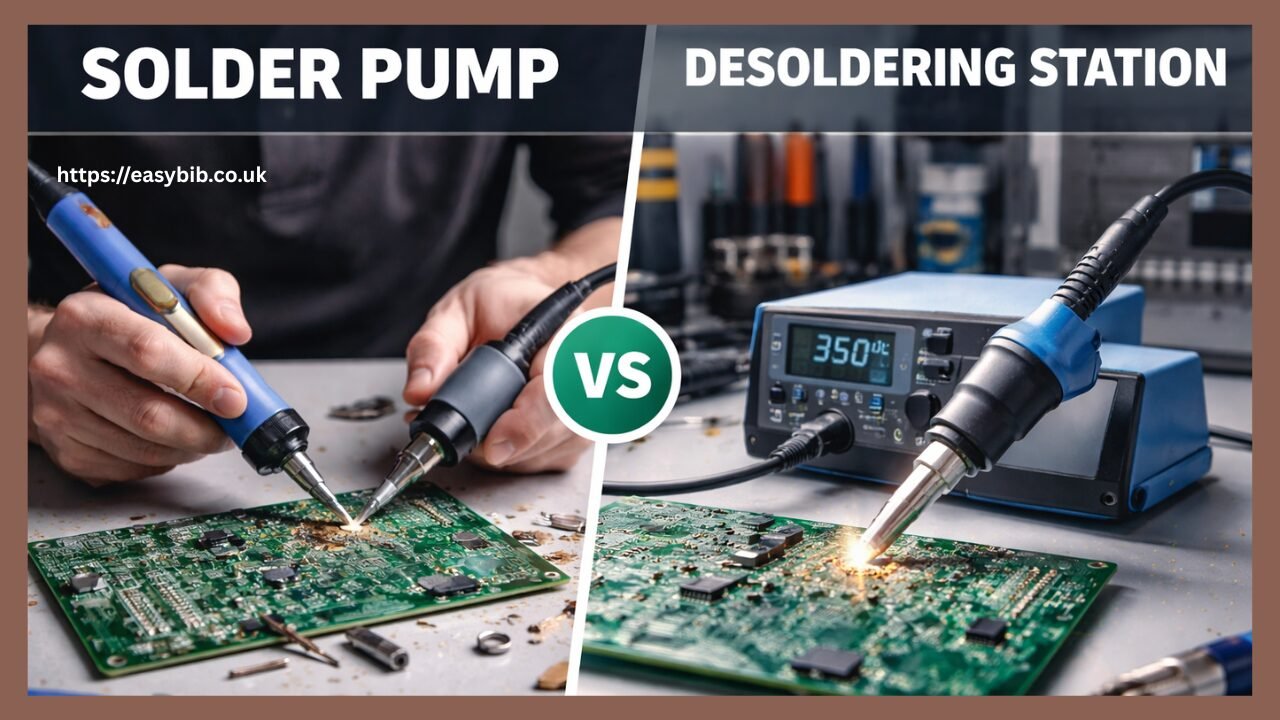
Removing solder from circuit boards is a common task, but the tools you use make all the difference. Solder pumps are affordable and simple, yet they often struggle with tricky jobs, leaving you frustrated with incomplete results. A dedicated desoldering station combines a heated iron with a built-in vacuum pump, making it faster and more effective than a manual solder pump for most projects.
We’ll walk you through the main differences between these tools and help you understand when it’s worth investing in a desolering station. You’ll learn about the advantages of dedicated stations, the limits of solder pumps, and how to pick the right equipment for your specific needs.
Key Differences: Desoldering Stations vs. Solder Pumps
Desoldering stations integrate a heated tip with built-in vacuum suction into a single tool for efficient solder removal. At the same time, solder pumps rely on manual spring action to remove melted solder after you heat it with a soldering iron.
How Desoldering Stations Work
A desoldering station uses a heated desoldering gun with a built-in vacuum pump. The desoldering tip heats the solder joint while the vacuum system automatically sucks up the molten solder.
You set your temperature between 160°C and 480°C on most models. Then you place the tip over the joint and press the trigger. The vacuum pump removes the solder instantly and stores it in a collection chamber.
This one-handed operation speeds up component removal. You don’t need to juggle multiple tools or switch between heating and suction.
How Solder Pumps Operate
A manual desoldering pump (or solder sucker) requires two separate tools. First, you heat the solder joint with your soldering iron. Then you quickly position the pump nozzle and press the button.
The spring-loaded plunger creates a sudden suction that lifts the melted solder. You need to work fast because the solder cools quickly.
This two-step process takes practice and good timing.
Efficiency and Precision in Solder Removal
Desoldering stations remove solder more completely in one attempt. The continuous vacuum and precise temperature control deliver better results for delicate circuit boards.
Solder pumps often leave solder residue, requiring multiple attempts to clean a joint fully.
Advantages of Using a Dedicated Desoldering Station
A dedicated desoldering station offers better performance and safer results than a simple solder pump through its built-in vacuum system, precise heat control, and protective features.
Superior Suction Power and Collection Capacity
Your desoldering station maintains a consistent vacuum pressure of around 85 kPa, which pulls molten solder cleanly from through-holes and pads. This beats a manual solder pump every time because you don’t need to coordinate squeezing a bulb while holding hot components.
The built-in collection system stores removed solder in an easy-to-empty chamber. You won’t deal with solder flying around your workspace or repeatedly clogging your vacuum nozzle. The advanced filters capture debris while maintaining strong suction throughout your work session.
Temperature Control and Stability
Your station maintains exact temperatures across a wide temperature range, unlike basic tools that fluctuate. The ceramic heating element heats up quickly and stays stable, so you’re not waiting around or overheating delicate parts.
Different desoldering tips need specific temperatures for various solder types and components. Your station lets you dial in the right setting and holds it there, making IC desoldering much safer.
Reduced Risk of Damage to PCBs and Components
Controlled heat and quick solder removal protect sensitive circuit boards from thermal stress. You spend less time applying heat to each joint, which prevents pad lifting and trace damage.
Sleep and hibernation modes cut power when you set the tool down, preventing accidental burns and extending tip life.
Limitations and Challenges of Solder Pumps
Manual solder pumps face real problems that slow down your work and make repairs harder. The hand-powered design leads to tired hands, the suction often misses solder, and the tips clog up fast.
Manual Operation and User Fatigue
When using a manual desoldering pump, you need to press the plunger down for each joint. This gets tiring fast when you have many components to remove.
Your hand has to squeeze the trigger over and over. After 20 or 30 joints, your fingers start to hurt. The spring mechanism also needs strong pressure to lock in place.
Incomplete Solder Extraction
A solder sucker often leaves bits of solder behind. The vacuum it creates is not always strong enough to lift thick solder or solder in tight spots.
You end up heating the same joint multiple times. This can damage the copper pads on your board.
Maintenance and Clogging Issues
The tip of your desoldering pump quickly fills with cooled solder bits. You have to stop work and clean it out every few uses.
If you skip maintenance, the clog cuts your suction power even more. Taking apart the pump to clear the tube takes time away from your actual repair work.
Versatility and Applicability for Complex Jobs
A dedicated desoldering station handles everything from basic through-hole components to delicate surface-mount chips, while a solder pump struggles with anything beyond simple two-pin parts.
Ideal Tools for Through-Hole and Surface Mount Components
Your desoldering station offers options a solder pump can’t match. For through-hole work, the controlled heat and continuous vacuum make component removal quick and clean. You can set the exact temperature needed and let the pump do the work.
Surface-mount components need a different approach. Many desoldering stations include hot-air rework capability or work alongside hot-air rework stations to rework these parts. A solder pump is nearly useless here.
Working with Leaded and Lead-Free Solder
Lead-free solder melts at higher temperatures than leaded solder. Your desoldering station adjusts to handle both types without damaging the board. Lead-free joints need precise temperature control that basic tools can’t provide.
Tackling Multi-Pin IC and Fine-Pitch SMD Removal
IC desoldering requires simultaneous heating of multiple pins. A desoldering station with the right nozzle removes 16-pin or 40-pin chips in one smooth motion. Fine-pitch SMD components need even heat distribution that only controlled hot air or precision nozzles can provide.
Choosing the Right Desoldering Equipment for Your Needs
When choosing desoldering equipment, consider your specific work, budget, and available desk space.
Key Features to Consider in a Desoldering Station
Temperature control is the most important feature to look for. A good station should let you adjust the heat from 300°F to 900°F. With digital screens, you can precisely adjust and monitor the temperature for optimal soldering control.
Suction power matters too. Strong vacuum action removes solder faster and cleaner. Look for stations with a vacuum pressure of 20-25 inches of mercury.
The tip design affects the quality of your work. Replaceable tips in different sizes let you handle various component types. A tip-cleaning system keeps your station running smoothly.
Budget, Bench Space, and Maintenance Factors
Professional stations cost between $150 and $600. The Hakko FR-301 runs about $450, while the Aoyue 474A+ costs around $150. Basic tools like the Engineer SS-02 solder sucker cost under $20.
Desk space is another factor. Full stations need 8-12 inches of bench room. You’ll also need to clean tips regularly and replace filters every few months.
Popular Models and Real-World Recommendations
The Hakko FR-301 works great for professional repairs. It has strong suction and reliable temperature control.
The Aoyue 474A+ offers good value for hobbyists doing regular soldering and desoldering work.
READ MORE
Pro Tips for Effective and Safe Desoldering
Getting great results with your desoldering station means using the right techniques and keeping your equipment in top shape. These practices help you work faster while protecting your circuit boards.
Using Flux and Solder Braid with Stations
Apply solder flux to joints before heating them with your desoldering station. The flux helps solder flow better and makes removal easier.
Keep copper braid or desoldering wick handy for cleanup work. After using your station’s vacuum to remove most solder, place the braid over any remaining bits. Apply heat using the desoldering tip and let the solder flow neatly into the copper braid. This combination gives you spotless pads.
Cleaning and Maintaining Tools for Longevity
Clean your desoldering tip after each use to maintain strong heat transfer. Wipe it with a damp sponge while it’s hot.
Check and empty the solder collection chamber regularly. A full chamber reduces suction power. Replace filters as recommended by your manufacturer to maintain proper airflow.
Best Practices to Prevent PCB Damage
Use the right temperature for your components. Too much heat damages boards and parts.
Apply heat directly to component leads, not the board itself. Work quickly once the solder melts. Let the board cool between removing multiple components to prevent heat buildup.