
How to Create a Cohesive Design Between Kitchen and Living Spaces
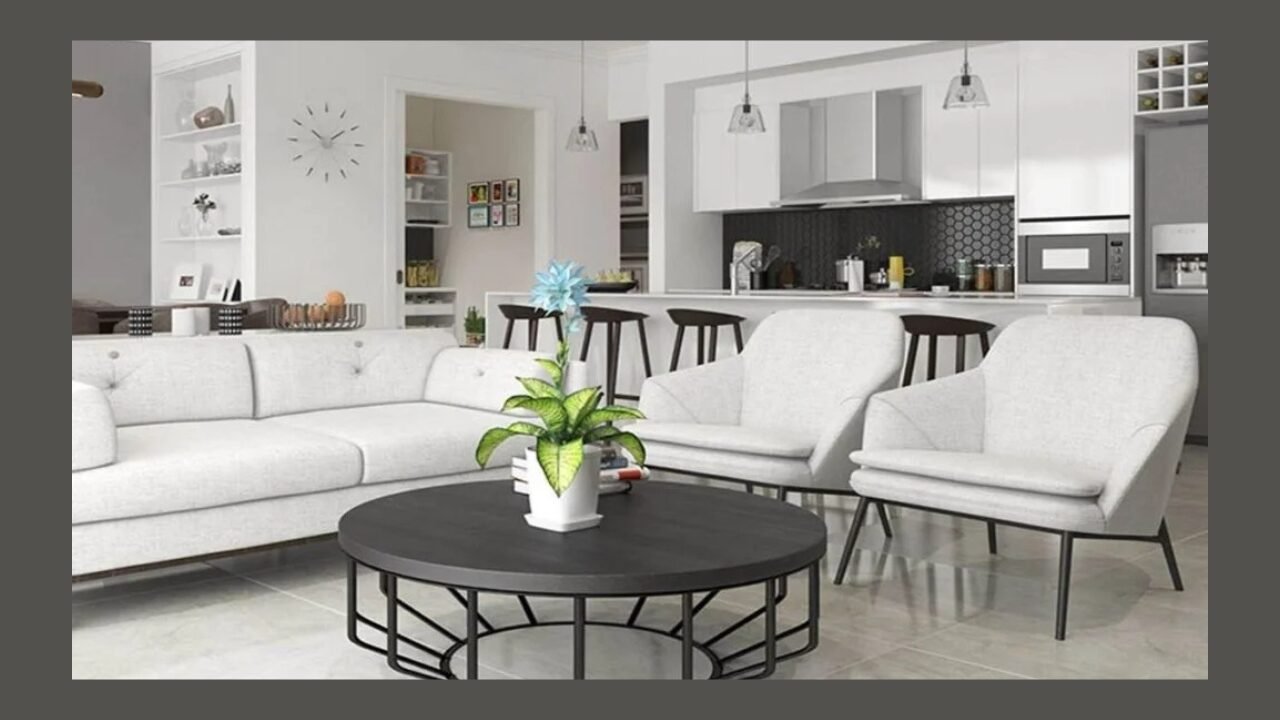
The Open-Concept Revolution: Breaking Down Walls
Remember when kitchens were isolated rooms, wholly separated from the rest of the home? Those days are fading fast. The modern home embraces flow, connection, and togetherness – making the transition between kitchen and living spaces one of the most critical design considerations today. Is creating this cohesion challenging? Well, not always, but it does require thoughtful planning and an understanding of how these spaces interact.
The kitchen has evolved dramatically from its utilitarian roots to become the true heart of the home – a place for cooking, entertaining, working, and gathering. When connected to living areas, this multifunctional space must maintain its practical functionality while seamlessly blending with the more relaxed atmosphere of the adjacent living zones.
Foundational Elements: Creating Visual Continuity
1. Unified Flooring Strategy
One of the most potent ways to create cohesion between kitchen and living spaces is through consistent flooring. Extending the same flooring material throughout both areas instantly creates visual flow and makes the spaces feel connected rather than disjointed. Engineered hardwood is an excellent choice for this purpose, offering warmth and durability across both zones.
Some may think different flooring materials are necessary to define separate areas, but actually, subtle transitions or area rugs can make a big difference while maintaining the same base material. This approach preserves the cohesive flow while still acknowledging the different functions of each space.
2. Cohesive Color Palette: The Thread That Binds
A unified color scheme creates instant harmony between the kitchen and the living areas. This doesn’t mean everything must be identical – that’s for real boring! Instead, consider a complementary palette in which colors from each space echo and reinforce one another.
The kitchen cabinets can introduce a dominant color that’s then picked up in smaller doses through living room accessories. Alternatively, keep the kitchen relatively neutral and use the same accent color in both spaces. For instance, navy blue kitchen island cabinetry paired with navy throw pillows or artwork in the living room creates a visual connection without being heavy-handed.
3. Architectural Continuity: The Skeleton of Cohesion
The architectural elements that frame your spaces should speak the same design language. Matching ceiling heights, consistent window styles, and similar architectural details help unify disparate areas into a cohesive whole. If your kitchen features exposed wooden beams, consider extending them into the living space. Looking for ways to carry crown molding or wainscoting from one area to another can further reinforce this connection.
Throughout the entire space, neutral colors and warm lighting create a cozy ambiance. These consistent architectural elements serve as the foundation for more flexible design choices.
Material Harmonization: The Sensory Experience
1. Repeating Key Materials Strategically
Materials tell a powerful story in open-concept spaces. The trick isn’t using identical materials everywhere (too predictable!), but rather creating thoughtful echoes between spaces. If your kitchen features marble countertops, consider incorporating small marble accents in the living area, such as a coffee table, decorative objects, or picture frames.
Wood elements from kitchen cabinetry can be reflected in living room furniture or shelving. Metal finishes from kitchen hardware might reappear in lighting fixtures or furniture legs in the living space. These material connections create subtle cohesion without feeling formulaic or overdone.
2. Texture as a Unifying Element
Texture plays a crucial but often overlooked role in creating cohesion between spaces. The straight wood grain echoes the fabric patterns, bringing a sense of natural freshness to both areas. Introducing similar textural elements across both spaces – whether through natural materials, textiles, or decorative objects – creates a sense of sensory continuity that reinforces visual connections.
In apartment interior design, it is essential to maintain consistency between rooms. This doesn’t mean identical textures everywhere, but rather a thoughtful balance and repetition that guides the eye smoothly from one space to another.
Functional Considerations: Beyond Aesthetics
1. Space Planning for Natural Flow
Even the most beautifully designed kitchen-living area will fail if the functional layout doesn’t support natural movement and interaction. Traffic patterns should flow logically between spaces without creating bottlenecks or awkward transitions.
The kitchen island often serves as the critical transition point between cooking and living zones. Its design should acknowledge both functions – perhaps with a cooking area on the kitchen side and casual seating facing the living space. This creates a natural gradient between the more utilitarian kitchen and the relaxed living area.
Getting into trouble with furniture placement in open-concept spaces? Don’t worry, we have you covered. Consider how seating arrangements can facilitate conversation between people in different zones while maintaining distinct functional areas.
2. Lighting Strategy: Setting the Mood
A cohesive lighting plan ties spaces together while acknowledging their different requirements. Kitchen tasks demand brighter, more directed lighting, while living areas benefit from layered, ambient illumination. The key is creating a lighting scheme that can transition smoothly between these needs.
Strategically placed recessed lighting throughout both areas provides consistent general illumination. Pendant lights over a kitchen island can be coordinated with living room floor or table lamps to create visual continuity. Dimmer switches let you adjust the mood throughout the space based on the time of day and activities.
Style Consistency: The Visual Language
1. Furniture That Speaks the Same Language
When selecting furniture for open kitchen-living spaces, consistency in style and scale becomes essential. This doesn’t mean buying matching sets! Instead, pieces should complement each other in their design approach and proportions.
Kitchen cabinet brands like OPPEIN excel at creating kitchen furnishings that transition beautifully into living spaces. Their modern cabinetry systems can extend beyond the kitchen, offering storage solutions that maintain design continuity throughout the open floor plan.
2. Decorative Elements: The Connective Tissue
Strategic placement of decorative elements creates subtle links between zones. Artwork that incorporates colors from both areas, plants distributed throughout the space, or similar decorative objects placed in both the kitchen and living areas, all reinforce cohesion.
The built-in cupboard, concealed by large pocket doors, is ideal for storing a wide range of items. With an open-concept layout, it serves as more than just storage; it also represents your cohesive home design philosophy.
Finding Balance: Unity Without Uniformity
The most successful cohesive designs avoid the twin pitfalls of too much uniformity (boring!) or too much contrast (chaotic!). Instead, they strike a delicate balance between connection and distinction.
As a professional, OPPEIN offers the perfect fit for every type of floor plan. Their approach respects the unique functions of kitchen and living spaces while creating meaningful connections between them. For the same apartment design, we can provide different plans to suit various budgets and preferences as a professional furnishing provider.
READ MORE
Conclusion: The Art of Seamless Integration
Creating cohesion between kitchen and living spaces isn’t about erasing differences but about acknowledging them within a unified design approach. It’s about creating spaces that flow together visually while still honoring their distinct functions.
Know yourself, as with all things stylish; when it comes to open-concept designs, choose a balance of connection and separation for the most usable result. The kitchen-living area relationship should support your lifestyle while creating a visually harmonious environment that feels intentionally designed rather than arbitrarily connected.
With thoughtful planning that addresses architectural elements, materials, colors, and functional needs, you can create open-concept spaces that feel cohesive yet distinct – the perfect balance for modern living. Remember that the goal isn’t ideal uniformity but meaningful connection. That’s the true art of cohesive design.