
Baja Sur Neighborhoods Ranked: East Cape, Todos Santos, La Paz, and the Cabo Corridor
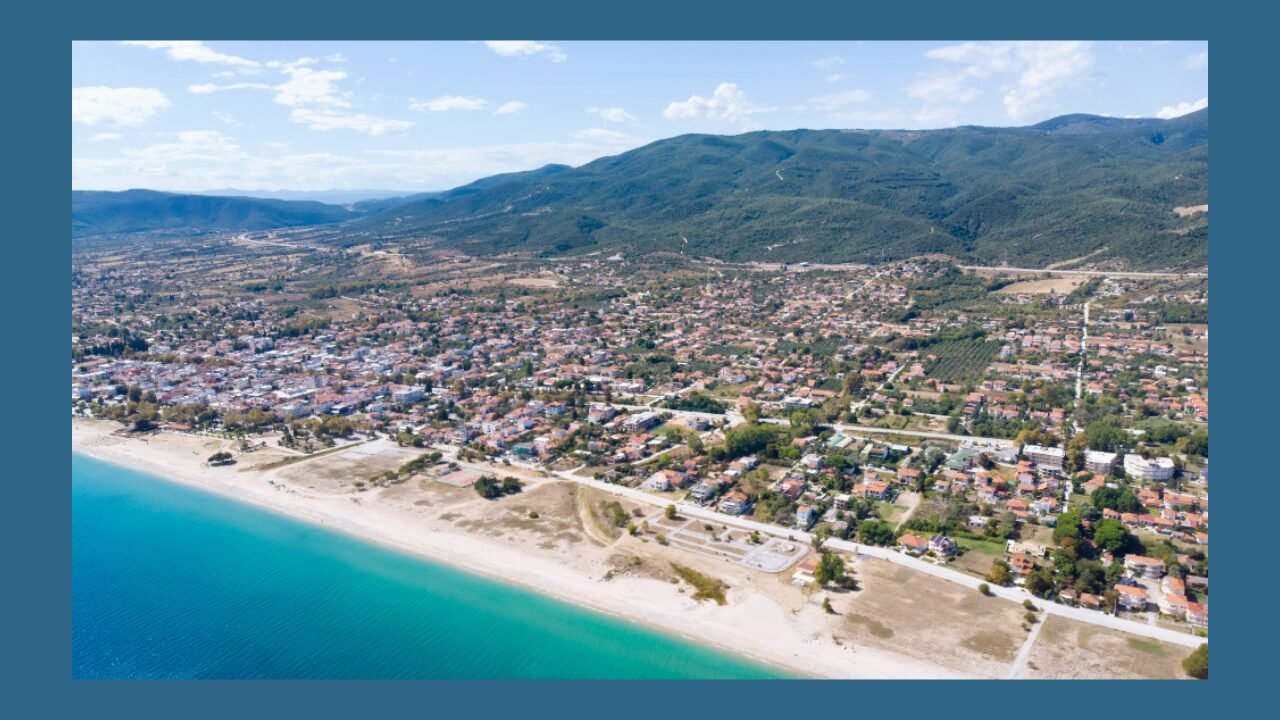
Baja California Sur is one of the few places in North America where you can buy oceanfront property at a fraction of what it would cost in California, retire somewhere genuinely warm, and still feel connected to the world. But “Baja Sur” covers a lot of ground, and the experience of living in Cabo San Lucas is almost nothing like the experience of living an hour north in Todos Santos or east on the Sea of Cortez.
For anyone researching real estate in Los Cabos Mexico, or the broader Baja Sur peninsula, choosing the right neighborhood matters as much as choosing the right property. Get that choice wrong, and you’ll spend years in a place that doesn’t fit your lifestyle. Get it right, and you’ll wonder why you waited so long.
This guide breaks down four distinct Baja Sur neighborhoods, ranks them across a few key lifestyle and investment criteria, and gives you a realistic picture of what each one actually feels like to live in.
The Cabo Corridor: High Energy, High Returns, High Prices
The Corridor refers to the stretch of coastline running between Cabo San Lucas and San José del Cabo. This is the engine of Baja Sur real estate, and it’s easy to see why. World-class resort hotels, PGA-caliber golf courses, beach clubs, and a short drive from Los Cabos International Airport make it the obvious entry point for foreign buyers.
For investors, the numbers are hard to argue with. Short-term rental occupancy rates along the Corridor regularly exceed 70% during peak season, and some luxury condos in developments such as Pedregal or Quivira generate six-figure annual rental income. The infrastructure is solid, English is widely spoken, and the legal frameworks for foreign ownership are well-established.
The tradeoff is the price tag and the noise. This is a tourist zone. If you want a quiet morning and a local taco stand, the Corridor is not that place. It’s built for visitors, which is exactly what makes it a strong rental market but a less compelling full-time home for people seeking authenticity.
Best for: Vacation rental investors, buyers who want turnkey amenities, part-time residents who love resort living.
Watch out for: HOA fees on condo developments can be substantial. Always review these before committing.
La Paz: The Underrated City That Locals Actually Love
About two hours north of Cabo by car, La Paz is the capital of Baja California Sur and one of the most genuinely livable cities on the peninsula. It has a working malecón (waterfront promenade), a real downtown with local restaurants and markets, a functioning hospital, and a community of expats and Mexicans who actually mix socially.
Property prices here are meaningfully lower than in the Corridor. A two-bedroom condo near the water in La Paz might run 40 to 60 percent less than a comparable unit in Cabo. For retirees on a fixed income or remote workers who don’t need to be steps from a resort pool, this is where the value lies.
The Sea of Cortez here is famously calm, which Jacques Cousteau once called “the world’s aquarium.” Snorkeling, kayaking, and whale shark encounters from November through March are genuinely accessible activities, not marketing copy.
La Paz has also begun to attract serious attention from platforms like Mexhome, which lists an increasing number of pre-construction and resale properties in the city as buyer interest from North Americans continues to grow.
Best for: Retirees, full-time expats, remote workers, buyers who want a real city with a lower cost of living.
Watch out for: The rental market is less developed than Cabo. If short-term rental income is the primary goal, expectations need to be adjusted.
Todos Santos: The Art Town That’s Growing Up Fast
Todos Santos sits on the Pacific side, about an hour north of Cabo San Lucas. For a long time, it was a quiet agricultural town known for its historic hotel (Hotel California, yes, that one) and a small community of artists and surfers. That era isn’t entirely over, but Todos Santos has changed significantly in the last decade.
Property prices have climbed sharply. Boutique hotels and design-forward restaurants have followed the money. The draw now is a curated lifestyle: Spanish colonial architecture, organic farms, Pacific surf breaks, and a proximity to Cabo without actually being in it. Some buyers describe it as what Tulum was before Tulum became what Tulum is now.
The flip side of that growth is infrastructure strain. Roads in some areas are rough. Water supply is a recurring conversation among residents. Internet connectivity, while improving, isn’t as reliable as in La Paz or Cabo. Anyone buying here should factor those realities into their thinking.
For buyers with a longer time horizon, Todos Santos likely has room to appreciate further. It’s the kind of place where early movers benefit most.
Best for: Second-home buyers, lifestyle-driven purchasers, and longer-term investors comfortable with some infrastructure limitations.
Watch out for: Due diligence on land titles is particularly important here. Work with a qualified notario and a buyer’s agent who knows the local market.
East Cape: Off-Grid Appeal, Serious Commitment Required
East Cape covers the rugged southeastern coastline of Baja Sur, running roughly from Los Barriles up toward La Ribera. It’s where world-class sport fishing happens, where kitesurfers come for reliable trade winds, and where a certain type of buyer, one who truly wants to disconnect, finds something that feels rare.
Properties here are often more affordable per square meter than anywhere else in Baja Sur. Some coastal plots still exist at prices that would have seemed reasonable in Cabo fifteen years ago. The Sea of Cortez water is warm and calm, and you can walk beaches for miles without seeing another person.
But East Cape is genuinely remote. Power outages happen. Some properties rely on solar and water catchment systems. The closest major hospital is located in La Paz. Grocery shopping means planning. This is not an inconvenience for the right buyer; it’s the whole point. But it’s a dealbreaker for anyone who needs consistent connectivity or city services.
Development is coming, slowly. A paved road connecting more of the coast has improved access, and a handful of boutique developments are starting to appear. Whether that growth remains measured or accelerates is one of the more interesting questions in Baja Sur real estate right now.
Best for: Adventure-oriented retirees, buyers seeking solitude and affordability, and fishing and outdoor lifestyle enthusiasts.
Watch out for: Resale liquidity is lower here. If circumstances change, selling quickly may not be straightforward.
How the Four Stack Up: A Quick Comparison
| | Cabo Corridor | La Paz | Todos Santos | East Cape | |—|—|—|—|—| | Entry Price | High | Moderate | Moderate-High | Low-Moderate | | Rental Income Potential | Excellent | Moderate | Good | Limited | | Full-Time Livability | Moderate | Excellent | Good | For the right buyer | | Infrastructure | Excellent | Very Good | Developing | Basic | | Long-Term Appreciation | Steady | Strong | Strong | Speculative | | Lifestyle Feel | Resort | City | Boutique | Remote |
What Foreign Buyers Often Overlook
Baja Sur sits within Mexico’s “restricted zone,” which means coastal and border-adjacent land cannot be held directly in a foreign individual’s name. Ownership happens through a fideicomiso, a bank trust that gives the buyer all rights of use, rental, sale, and inheritance, while the title sits with a Mexican bank trustee.
This system is well-established and legally sound, but it does add annual trust fees (typically between $500 and $800 USD per year) and some additional closing steps. Understanding this before you start shopping saves a lot of confusion later.
Closing costs in Mexico also tend to run higher than in the US or Canada, often between 4 and 7 percent of the purchase price, covering notary fees, acquisition tax, and registration. Be sure to include this in your budget planning from the beginning.
Key Takeaways
- The Cabo Corridor delivers the strongest short-term rental returns but comes with resort-town pricing and lifestyle.
- La Paz offers genuine city living at a meaningful discount, with growing expat infrastructure and strong livability.
- Todos Santos is a lifestyle play with appreciation upside, but infrastructure limitations are real and shouldn’t be glossed over.
- East Cape suits a specific buyer archetype: self-sufficient, outdoor-focused, and comfortable with remoteness in exchange for affordability.
- Every purchase in Baja Sur’s coastal zone requires a fideicomiso trust. Budget for trust fees and closing costs of 4 to 7 percent from the outset.
Frequently Asked Questions
Can foreigners legally own property in Baja Sur? Yes, absolutely. Foreign nationals regularly purchase property throughout Baja Sur. In coastal areas, ownership is structured through a fideicomiso bank trust, which gives the buyer full legal rights to the property without the title sitting in their name directly. This is a standard, widely-used arrangement and not a workaround.
Which Baja Sur neighborhood has the best rental income potential? The Cabo Corridor, particularly the area around Cabo San Lucas and developments such as Pedregal and Quivira, consistently produces the strongest short-term rental numbers. Proximity to Los Cabos International Airport, resort infrastructure, and high tourist volume all contribute. Todos Santos is developing a niche boutique rental market, but volumes are smaller.
Is La Paz a good option for full-time expat living? For many people, La Paz is the best option in Baja Sur for full-time living. It has real city infrastructure, a working hospital, local markets, a bilingual expat community, and lower property prices than Cabo. The tradeoff is fewer luxury amenities and a smaller short-term rental market.
How far is East Cape from Cabo San Lucas? Los Barriles, the main hub of East Cape, is roughly 60 to 75 minutes from Cabo San Lucas by car, depending on the route. The drive is scenic but can be slow in sections. For buyers who want occasional access to Cabo without living in it, the distance is manageable for most.
What should I prioritize when choosing between these neighborhoods? Begin by clearly defining the purpose of the purchase. Investment and rental income point toward the Corridor. Full-time retirement or remote work points toward La Paz. Lifestyle and long-term appreciation point toward Todos Santos. Affordability and solitude point toward East Cape. Once you’re clear on the primary goal, the right neighborhood tends to become obvious fairly quickly.
READ MORE
Final Thought
Baja Sur is not one place. It’s four or five distinctly different places sharing a peninsula and a dramatic landscape. The buyers who end up happiest are almost always the ones who spent time in their chosen area before buying, rented for a season, talked to people who already live there, and matched the neighborhood to their actual life rather than an idealized version of it.
The research phase is worth taking seriously. The right neighborhood in Baja Sur can genuinely change your quality of life. Choosing the wrong one can become a costly lesson.