
Asbestos Removal – Modern Methods for Safe and Efficient Material Elimination
Asbestos, once hailed for its durability and heat resistance, has become a significant health hazard due to its carcinogenic properties. The need for asbestos removal is more critical than ever, as buildings constructed before the 1980s often contain this dangerous material. This article explores modern methods for the safe and efficient elimination of asbestos, ensuring the safety of both workers and residents.
Understanding the Importance of Asbestos Removal
Asbestos fibers, when disturbed, can become airborne and pose severe health risks, including lung cancer and mesothelioma. Therefore, the removal of asbestos is not just a regulatory requirement but a crucial step in safeguarding public health.
Modern Techniques in Asbestos Removal
Advances in technology have enabled safer, more efficient asbestos removal techniques. These methods are designed to minimize the release of asbestos fibers into the air, protecting both the workers and the environment.
1. Wet Removal Method
The wet removal method involves spraying the asbestos-containing materials with a water-based solution. This technique helps to suppress dust and prevent fibers from becoming airborne. It is particularly effective at reducing the risk of inhalation during removal.
2. Glove Bag Technique
The glove bag technique is a containment method used for small-scale asbestos removal. It involves sealing the asbestos material in a plastic bag equipped with built-in gloves, allowing workers to handle and remove it safely without direct exposure.
3. Negative Pressure Enclosure
For larger projects, a negative-pressure enclosure is often used. This method involves creating a sealed environment around the asbestos-containing area, with the air pressure inside the enclosure lower than the pressure outside. This setup prevents contaminated air from escaping into the surrounding environment.
Safety Measures and Regulations
Ensuring safety during asbestos removal is paramount. Strict regulations and guidelines have been established to protect workers and the public from exposure. Compliance with these regulations is essential for any asbestos removal project.
Personal Protective Equipment (PPE)
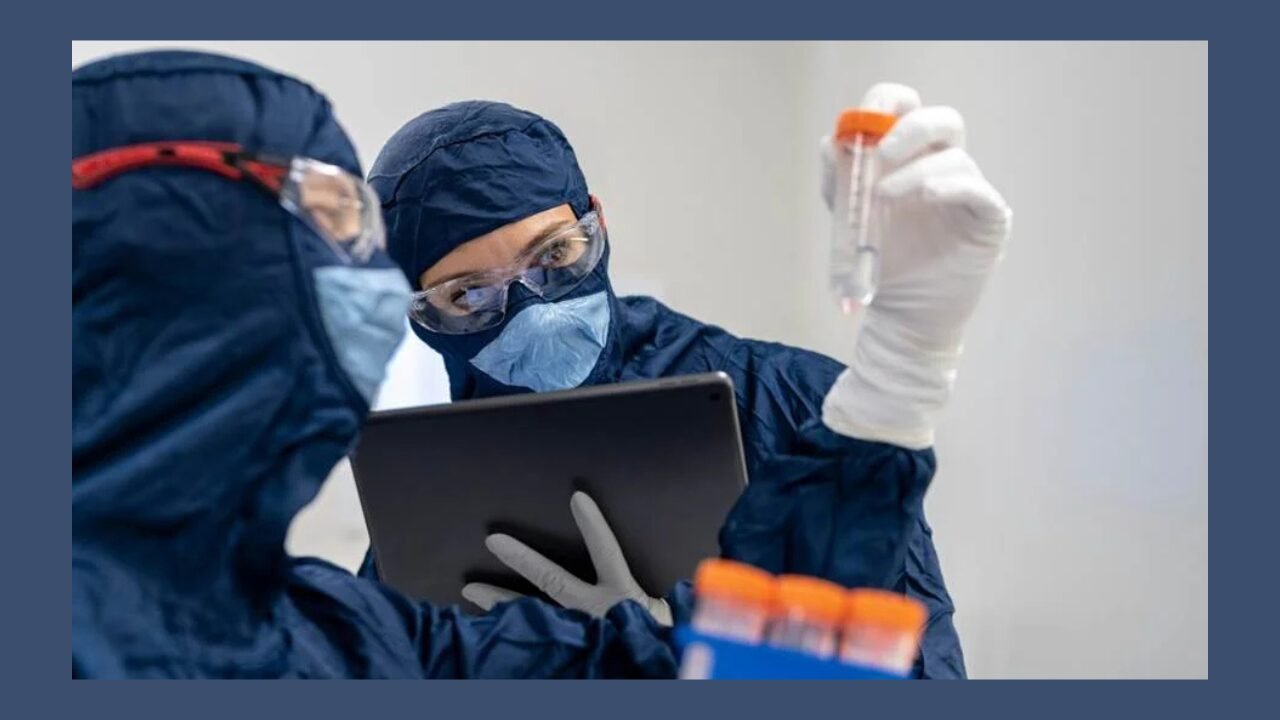
Workers involved in asbestos removal must wear appropriate personal protective equipment, including respirators, disposable coveralls, and gloves. This gear is crucial in preventing direct contact with asbestos fibers.
Training and Certification
Proper training and certification are mandatory for anyone involved in asbestos removal. Workers must be knowledgeable about the risks associated with asbestos and the correct procedures for its safe removal.
Choosing the Right Asbestos Removal Service
When it comes to asbestos removal, choosing a reputable and experienced service provider is crucial. Here are some factors to consider when selecting a company:
- Certification and Licensing: Ensure the company is certified and licensed to perform asbestos removal.
- Experience: Look for a company with a proven track record in handling asbestos removal projects.
- Safety Record: Review the company’s safety record and regulatory compliance.
- Customer Reviews: Read reviews and testimonials from previous clients to gauge the company’s reliability and quality of service.
READ MORE
Conclusion: The Future of Asbestos Removal
As technology advances, asbestos removal methods will become more efficient and safer. The focus will remain on minimizing exposure and protecting public health. By staying informed and choosing the right service providers, we can ensure that asbestos is removed safely and effectively, paving the way for healthier living and working environments.