
Candles for Procession: Why Light Remains at the Heart of Timeless Traditions
The First Flame That Ever Led the Way
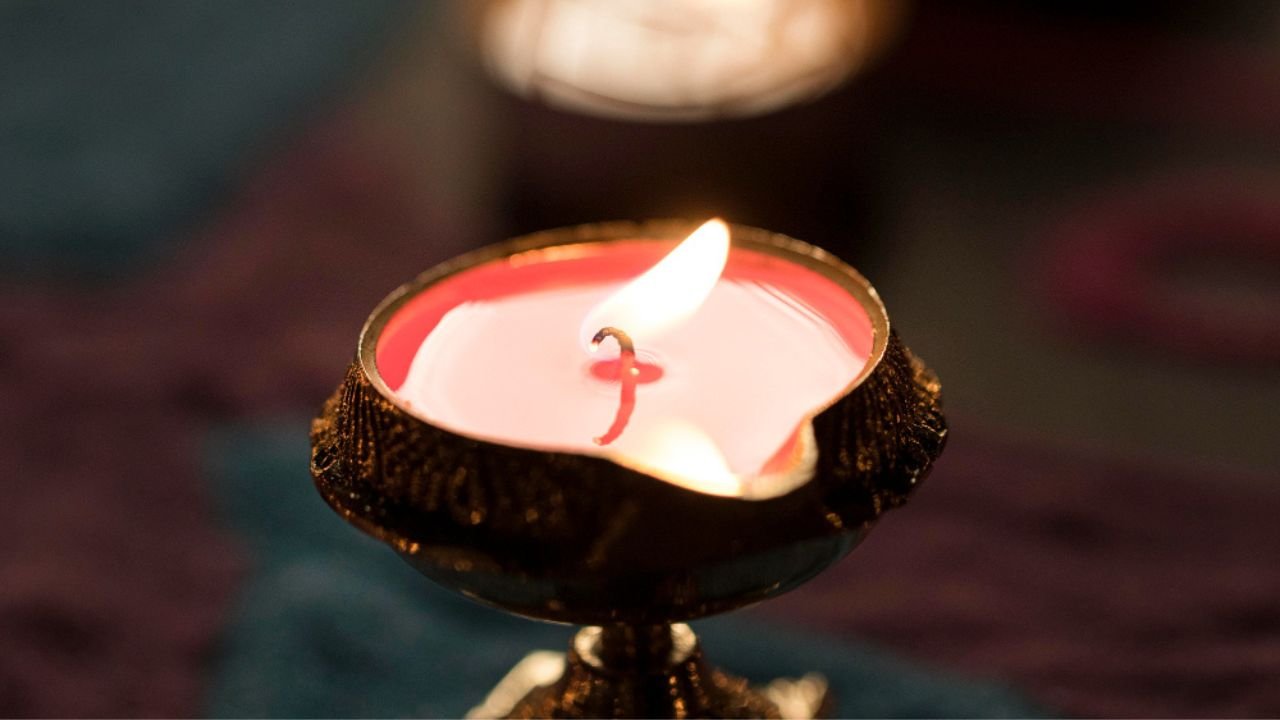
There’s a particular kind of quiet that settles over a crowd the moment the first candle is lit at dusk. I remember standing on a narrow street, shoulder to shoulder with strangers, watching a single flame pass from hand to hand until the whole road glowed. That’s the pull of candles for procession; they don’t just light the way, they gather people into something older than any of us.
Candlelit processions have been part of Church life for centuries, long before anyone thought to question why. From Candlemas in February to the hush of the Easter Vigil, the Church has always understood that a flame carried through darkness says something words simply cannot. It’s not decoration. It’s declaration.
Why Light Still Matters When We Have Electricity
We live surrounded by light switches, streetlamps, phone torches. So why does a parish still send its faithful out into the night clutching a wax candle rather than a battery-powered lantern?
Because the symbolism runs deeper than convenience. In Catholic tradition, light has always stood for something beyond illumination; Christ himself is spoken of as the light of the world, and a procession becomes a living, walking reminder of that truth.
I recall a Corpus Christi procession years ago where the electricity along the route failed halfway through, plunging the street into near-total darkness. And yet the procession barely faltered, because every single person was already holding their own small source of light. Nobody needed the streetlamps. The candles had it covered, quite literally, from the start.
That’s the thing about a real flame. It flickers, it responds to the wind, it demands a bit of care and attention. A bulb never asks anything of you. A flame does, and that small effort is exactly why it means something.
The Practical Side of Keeping a Flame Alive Outdoors
Of course, anyone who has actually tried to walk a procession route with a lit candle knows the romance only goes so far. Wind gusts round corners with real malice. Drizzle finds its way in even on a supposedly dry evening. Add a long route through a town center or churchyard, and keeping a flame alive becomes its own small act of devotion.
This is where tradition and practicality stop being opposites and start working together. Nobody wants a procession where half the candles have blown out by the second street corner, leaving the whole effect looking more like a health and safety concern than a moment of shared prayer.
During evening celebrations, candles for procession with wind protectors help keep the flame alive throughout the route, adding both practicality and a powerful visual impact to the ceremony. A well-designed guard doesn’t dull the atmosphere one bit; if anything, it makes the whole scene more striking, dozens of steady flames glowing evenly rather than gutting and guttering in the breeze.
A Look at the Different Styles of Procession Candles
Not every procession candle looks the same, and that variety says a lot about the character of a parish.
- Slim tapers, the classic choice, easy to carry and pass hand to hand
- Pillar style candles, sturdier and often used by servers or those leading the procession
- Decorative holders with paper or card drip guards, protecting hands from hot wax
- Wind-resistant designs for outdoor routes exposed to the elements
Material matters just as much as shape. Beeswax candles burn cleaner, hold their scent beautifully, and have a long association with devotion; some traditions even hold beeswax as symbolically tied to purity. Other waxes are more affordable and practical for larger gatherings. Neither choice is wrong; it simply depends on what a parish values and what the occasion calls for. A cathedral procession might lean towards the ceremonial weight of beeswax, while a school feast day might reach for something simpler and more forgiving of small, excited hands.
Candlemas, Corpus Christi and the Calendar of Light
The liturgical calendar is dotted with moments built around candlelight. Candlemas, in early February, blesses candles for the year ahead and sends parishioners home with a flame that once symbolized protection over the household. Corpus Christi brings candlelit processions through town streets, often winding past homes decorated for the occasion. Easter Vigil, perhaps the most dramatic of all, begins in total darkness before a single flame spreads through an entire church.
What strikes me most is how differently these moments are marked from place to place. In some countries, Corpus Christi turns entire towns into a tapestry of flower petals and flickering light. Elsewhere, it’s a smaller, quieter affair, just a handful of families walking a short route around the church. I once joined a village Candlemas service where the whole congregation cupped their candles the entire walk home, a small parade of light bobbing along country lanes in the cold. Nobody minded the chill. The flame was doing its job.
Passing the Flame to the Next Generation
There’s something wonderful about watching a child hold a lit candle for the first time during a procession. That mixture of pride and nervousness, hands cupped protectively around the flame as though guarding a small, precious secret.
Families are drawn into these moments in a way that few other traditions manage. A child who carries a candle through a procession isn’t just taking part in an event; they’re quietly absorbing something about belonging, continuity, and faith passed down without a single lecture required.
I’ve watched grandparents steady a grandchild’s hand around a candle, the same gesture likely made for them decades earlier. That continuity, small and unspoken, is exactly how traditions survive. Nobody sits a child down and explains the theology of light. They simply hand them a candle and let the moment do the teaching.
READ MORE
Why the Simplest Traditions Often Endure the Longest
It would be easy to assume that in an age of dazzling technology, something as humble as a candle would fade into irrelevance. And yet candles for procession remain as central to Catholic life today as they ever were, precisely because their simplicity is the whole point.
A flame asks for nothing complicated. It asks only to be carried, protected, and shared, and in doing so it quietly teaches every generation that holds one exactly what devotion looks like. Long after the newest gadgets have been replaced and forgotten, that small, steady light will still be leading people through the dark.