
Common Causes of Serious Car Accidents and Who Is Liable
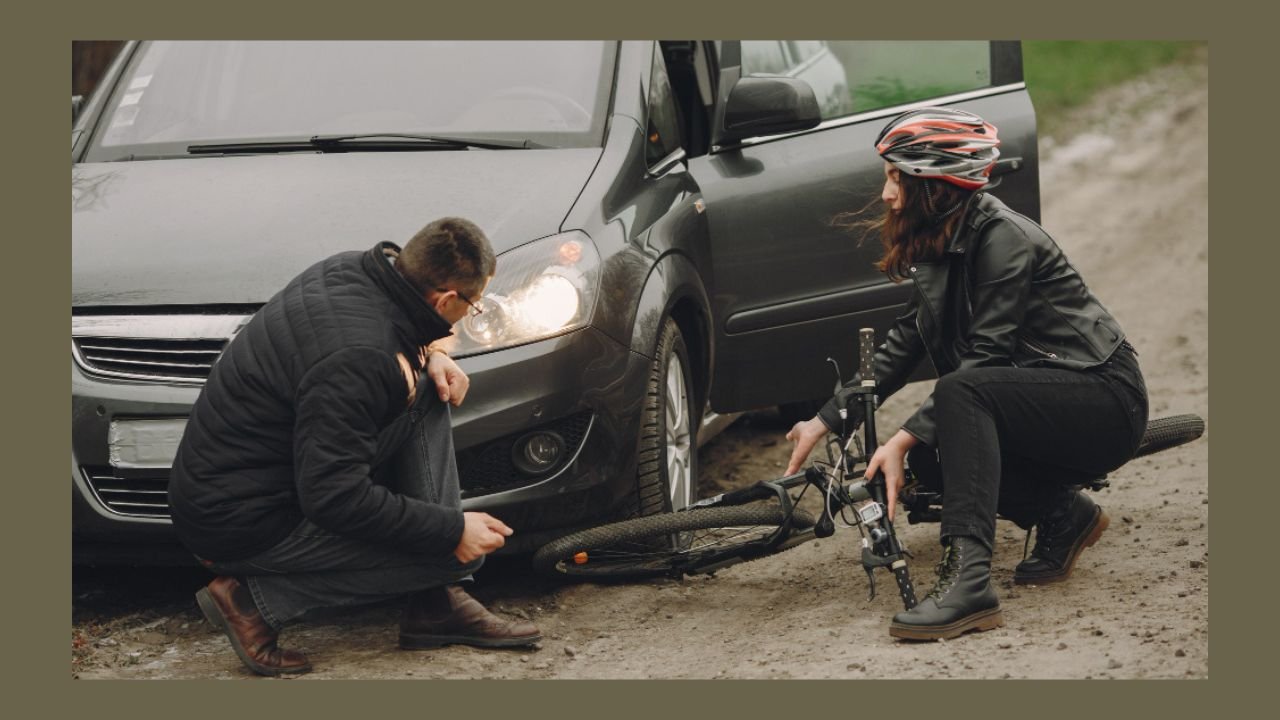
A serious car crash can shatter your health, your work, and your sense of safety in one moment. You may feel confused, angry, and unsure who should pay for the damage. This guide explains the most common causes of serious car accidents and who may be held responsible under the law. You will see how speeding, distraction, alcohol, unsafe roads, and vehicle defects lead to life-changing crashes. You will also learn when another driver, an employer, a car maker, or even a government agency may be liable. Clear answers help you protect your rights, your family, and your future. If you decide to speak with a car accident lawyer, you will be ready to ask direct questions and understand the reply. You deserve straight facts and practical steps after a crash.
How Often Serious Crashes Happen
Serious crashes are common. You are not alone. The National Highway Traffic Safety Administration reports that over 40,000 people die in traffic crashes in the United States each year, and millions more suffer injuries. You can review current data at the NHTSA Crash Data Systems page. Many of these crashes share the same causes. When you know these causes, you can better see who may be liable and what proof you may need.
Common Causes of Serious Car Accidents
Most serious crashes fall into three groups.
- Driver choices
- Road and weather conditions
- Vehicle problems
Each group can involve more than one person or organization. Liability can spread across several parties.
Driver Choices That Lead to Crashes
Many serious crashes start with unsafe driving. These are the most common patterns you may see.
- Speeding. Driving faster than the posted limit or faster than conditions allow. High speed makes it hard to stop in time and increases the risk of injury.
- Distracted driving. Looking at a phone, eating, adjusting controls, or talking to passengers instead of watching the road.
- Impaired driving. Driving after drinking alcohol or using drugs, including some prescription drugs that affect focus.
- Drowsy driving. Driving when tired, which slows reaction time and causes missed signals.
- Aggressive driving. Tailgating, weaving through traffic, running red lights, and failing to yield.
When another driver makes these choices and causes a crash, that driver is often liable. A police report, witness statements, and camera footage can help show what happened. State crash facts from sources like the NHTSA Traffic Safety Facts tables can also help you understand patterns that may match your crash.
Road and Weather Conditions
Sometimes the road itself plays a strong role in a serious crash. Weather can turn a safe road into a trap. These factors include:
- Potholes and broken pavement that cause loss of control
- Missing or hidden signs that confuse drivers
- Poor lighting that hides hazards at night
- Standing water or ice that leads to skidding
- Unsafe work zones with unclear cones or signs
In these cases, a government agency or a contractor may share liability if they knew about a danger and failed to fix it or warn drivers. Weather alone rarely removes responsibility. Drivers must slow down and adjust to rain, fog, ice, or snow. A driver who speeds on ice may still be liable even when the storm is severe.
Vehicle Problems and Defects
Sometimes the car fails you. Common issues include:
- Brake failure
- Tire blowouts
- Steering system failure
- Airbags that do not deploy or deploy at the wrong time
- Fires from fuel system or battery issues
When a defect causes or worsens a crash, several parties may be liable.
- The vehicle maker, for unsafe design or poor testing
- The parts maker, for a bad component
- The dealer or repair shop, for poor repair or missed recalls
Vehicle recalls and safety reports can support these claims. You can check for open recalls at NHTSA resources. Keep all repair records and receipts. These documents can show who touched the vehicle and when.
Who May Be Liable After a Serious Crash
Liability depends on how and why the crash happened. Often, more than one party shares blame. Here is a simple comparison to help you sort common causes and likely liability.
| Crash Cause | Examples | Who May Be Liable |
| Unsafe driving | Speeding, texting, running red lights | At-fault driver. In some cases, the employer is driving to work. |
| Impaired or drowsy driving | Driving after drinking or with severe fatigue | At fault driver. In rare cases a bar or event host under state law. |
| Commercial vehicle crash | Truck, bus, delivery van | Driver, employer, maintenance company, sometimes cargo loader. |
| Defective vehicle or part | Brake failure, tire blowout, failed airbag | Vehicle maker, parts maker, dealer, or repair shop. |
| Unsafe road conditions | Potholes, missing signs, poor lighting | City, county, state, or contractor that manages the road. |
| Mixed causes | Speeding on a wet road with worn tires | The driver, plus other parties, such as the maker or the road agency. |
Shared Fault and Your Claim
Crashes often involve shared fault. You may worry that a small mistake on your part will erase your claim. State law controls how this works.
- Some states reduce your recovery by your share of fault.
- Some states bar you from recovery if you are over a set percentage at fault.
- A few states bar recovery if you share any fault at all.
You should not guess about this. You can review your state traffic and insurance laws through your state government website. Clear proof of what the other party did can shift the fault balance in your favor.
READ MORE
What You Can Do After a Serious Crash
You can take steps that protect both your health and your claim.
- Call 911 and seek medical care for all injuries, even those that seem minor.
- Report the crash to the police and your insurance company.
- Take photos of the scene, the vehicles, the road, and any visible injuries, if it is safe to do so.
- Get names and contact details for witnesses.
- Keep all bills, repair estimates, and time-off-work records.
Then you can speak with a trusted legal professional in your state. Clear records and a calm, step-by-step approach help you hold the right parties liable and support your recovery. You do not have to face the fallout alone.