
How Media and Public Perception Skew London’s Crime Reality in 2026
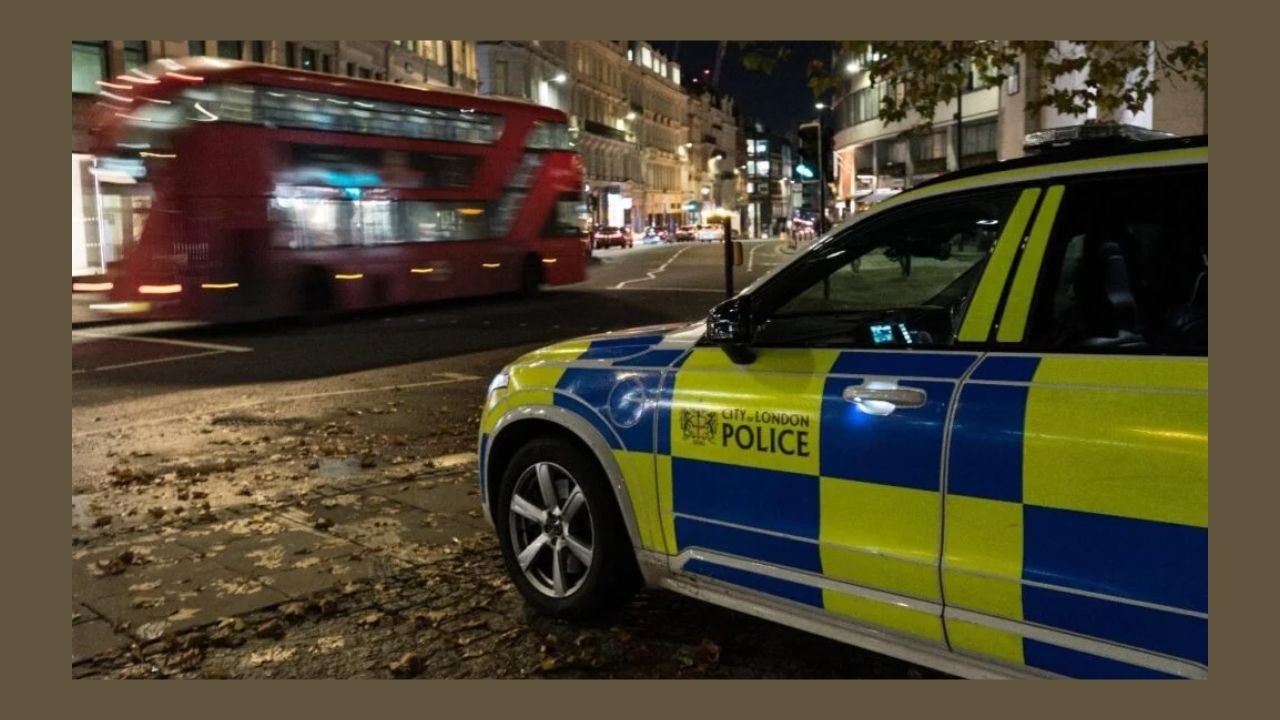
London’s reputation for safety is often contested in public debate. Headlines frequently highlight violent incidents, rising theft, or concerns about social disorder, creating an impression of a city facing escalating danger. Yet a closer examination of the data suggests a more complex reality.
In 2026, the gap between perception and measurable crime trends in London remains significant. This disparity is shaped not only by media coverage but also by broader social issues, including homelessness, migration, and organized crime. Understanding how these elements interact is essential to forming a balanced view of safety in the capital.
The Data: What Crime Statistics Actually Show
Official figures indicate that London’s overall crime rate remains relatively high compared to other parts of the UK, largely due to its size, density, and economic activity. However, the long-term trajectory is more stable than often portrayed.
While certain categories—particularly theft, robbery, and phone snatching—have increased in recent years, more serious offenses such as homicide have generally declined over the past decade. This divergence is crucial. Highly visible, everyday crimes have become more common, while the most serious forms of violence remain comparatively rare.
Crime is also unevenly distributed. Central boroughs with large transient populations, such as Westminster and Camden, record higher numbers of incidents, largely due to tourism, nightlife, and transport hubs. These figures can give the impression of widespread danger, even though risk is often concentrated in specific locations and circumstances.
Media Amplification and the Role of Headlines
Media coverage plays a decisive role in shaping public perception. Incidents involving violence—particularly those that are unusual or shocking—receive disproportionate attention. This is not unique to London, but the city’s global profile amplifies the effect.
A single high-profile crime can dominate news cycles for days, creating a sense of frequency that is not reflected in overall statistics. Meanwhile, gradual trends—such as declining homicide rates or stabilization in certain crime categories—receive comparatively little attention.
This imbalance contributes to what analysts often describe as a “perception gap,” where fear of crime exceeds the statistical likelihood of victimization. Surveys have consistently shown that many Londoners believe crime is rising more sharply than the data suggests.
Public Fear and Everyday Experience
Perception is not formed by media alone. Everyday experiences—such as witnessing anti-social behavior or hearing about incidents from friends—also shape public attitudes.
Opportunistic crime, including phone theft and shoplifting, has become more visible in recent years. These offenses are often committed in public spaces, increasing their perceived prevalence. Even when the financial impact is relatively small, the visibility of such crimes contributes to a broader sense of insecurity.
This helps explain why public concern can remain high even when serious crime indicators are stable or improving. The immediacy of visible disorder often outweighs abstract statistical trends in shaping opinion.
Homelessness and Urban Disorder
Homelessness is another factor frequently linked to perceptions of safety. London has seen a sustained increase in rough sleeping over the past decade, particularly in central areas.
While the vast majority of homeless individuals are not involved in criminal activity, their presence can influence how public spaces are perceived. Encampments, street begging, and associated issues such as substance misuse contribute to a sense of disorder, particularly in high-traffic areas.
It is important to distinguish between perception and reality. Homelessness is primarily a social and economic issue rather than a direct driver of crime. However, its visibility in certain parts of London can reinforce narratives of decline or instability.
Migration and Crime: Separating Fact from Assumption
Migration is often cited in public debate as a factor influencing crime, but the relationship is complex and frequently misunderstood.
London is one of the most diverse cities in the world, with large migrant populations contributing to its economy and culture. Crime data does not support the notion that migrants, as a broad group, are disproportionately responsible for criminal activity. Instead, offending patterns are more closely linked to socio-economic factors such as deprivation, employment, and age.
However, rapid population change can place pressure on housing and public services, which in turn may contribute to conditions associated with certain types of crime known in the UK as anti-social behavior.
A more measured view recognizes that migration is one of many variables influencing urban dynamics, rather than a singular cause of crime trends.
Organized Crime and Its Hidden Impact
While much public attention focuses on visible street crime, organized crime operates largely out of sight. Activities such as drug trafficking, financial fraud, and human exploitation form a significant part of London’s criminal landscape.
These offenses can have serious consequences, but are less likely to shape everyday perceptions of safety because they are not as immediately visible. Law enforcement agencies devote substantial resources to tackling organized crime networks, often through long-term investigations rather than visible patrols.
The contrast between visible and hidden crime further complicates public understanding. What people see is not always what poses the greatest risk.
Bridging the Gap Between Perception and Reality
Addressing the perception gap requires a combination of accurate reporting, transparent data, and public awareness. Authorities have increasingly sought to publish detailed crime statistics and provide context around trends, though challenges remain in communicating complex information effectively.
For individuals, understanding the difference between relative and absolute risk is key. London’s size means that even relatively low-risk events can occur frequently in absolute terms, particularly in busy areas.
From a practical perspective, most risks in London are predictable and manageable. Awareness of surroundings, secure handling of belongings, and informed travel choices remain effective measures in reducing exposure to crime.
READ MORE
The Reality of Crime in London Today
The reality of crime in London in 2026 is neither as alarming as some headlines suggest nor as reassuring as official statements might imply. It is, instead, a nuanced picture shaped by competing narratives.
Media coverage, public experience, and statistical data each tell part of the story, but none alone provides a complete view. Visible crime and social issues such as homelessness contribute to perceptions of insecurity, even as more serious offenses remain relatively controlled. Pressures on society due to the influx of unexpected migrants with differing moral values do have real-world consequences.
Understanding this balance is essential. London is a city where risk exists but is often overstated, where perception can diverge from reality, and where informed judgment matters more than assumption.