
Secure Video Intercoms for Harsh & High‑Risk Environments: Features & Best Practices
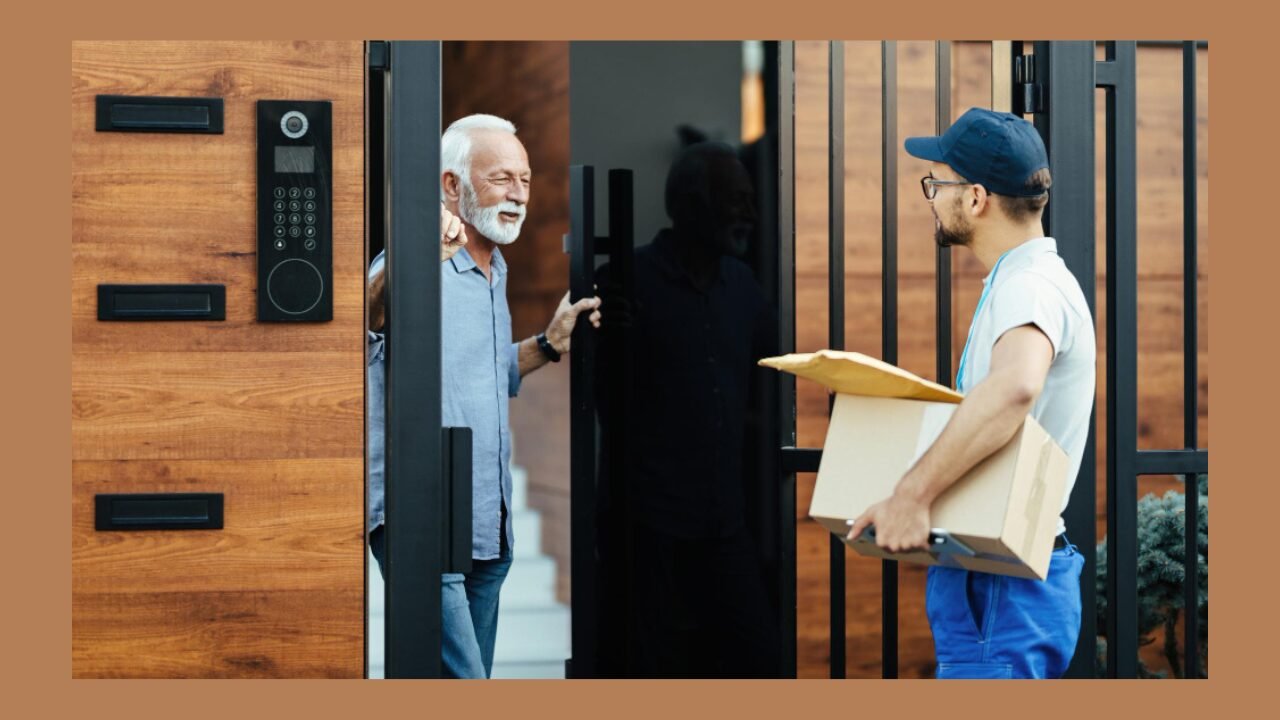
A secure video intercom built for harsh, high-risk environments combines rugged construction, advanced identification features, and reliable communication to keep your facility protected even in extreme conditions. These systems need to handle physical impacts, weather exposure, tampering attempts, and difficult lighting while still delivering clear video and audio when it matters most.
Understanding Secure Video Intercoms for Challenging Environments
Video intercoms built for tough locations need extra protection and reliable communication features that standard models don’t provide. These systems handle extreme conditions while maintaining secure access control.
Key Features of Secure Video Intercoms
Secure video intercoms include high-impact ratings such as IK10, which means they can withstand 20 joules of impact. This equals a strong hammer strike. The housing uses anti-pry construction to prevent tampering.
Encrypted communication protects your data from digital attacks. Multi-factor authentication combines RFID cards with PIN codes for better security. The 5MP cameras offer night vision and wide-angle views to identify people in low light.
Tamper alarms alert you when someone tries to open the device. The relay outputs stay protected even if someone removes the unit from the wall.
Differences Between Standard and Vandal-Resistant Models
Standard video intercoms work fine for normal indoor use. They typically have basic plastic housings and IP44 ratings.
Vandal-resistant intercoms feature heavy-duty metal construction, IK10 impact protection, and IP69 weatherproofing. Standard models lack anti-pry features and advanced encryption. They’re not built for extreme temperatures or physical attacks.
Types of Harsh & High‑Risk Environments
Correctional facilities require maximum security, including tamper detection and encrypted signals. Military bases require similar protection.
Parking garages face loud noise, dim lighting, and vehicle impacts. Industrial sites deal with dust, chemicals, and rough handling. Exposed gates experience all weather conditions year-round.
Benefits for Critical Communication
You get reliable access control when standard systems would fail. Clear audio works even in the presence of background noise. The cameras identify visitors in any lighting condition.
Your security team monitors everything from one platform. The audit trails help with compliance requirements. The system keeps working after attempted damage.
Essential Technologies and Standards for Enhanced Security
Secure video intercoms require specific technical standards and durable construction to perform in harsh conditions. These systems rely on modern networking protocols, rugged hardware, and advanced audio processing to maintain clear communication.
IP Intercom Protocols and Networking
IP intercoms use SIP (Session Initiation Protocol) to handle video and voice calls over your network. This standard lets different devices work together seamlessly. Many systems support PoE (Power over Ethernet), which means you only need one cable for both power and data.
ONVIF compliance ensures your intercom connects with cameras and security systems from different manufacturers. This flexibility protects your investment because you’re not locked into a single brand.
Vandal-Proof and Weather-Resistant Construction
Your intercom stations need tough materials to survive harsh conditions. Look for housings made from hardened steel or reinforced aluminum with IK10 impact ratings. These can withstand extreme temperatures, dust, and direct attacks.
Weather-resistant models include sealed components and drainage systems to prevent water damage. The best units operate reliably in temperatures from -40°F to 140°F.
Audio Clarity: Noise Reduction & Acoustic Echo Cancellation
Acoustic echo cancellation removes feedback loops that create annoying echoes during conversations. This technology ensures both parties hear clearly without repeated sounds bouncing back.
AI-powered noise reduction filters out background sounds such as wind, traffic, and machinery. This keeps your communication intelligible even in noisy industrial environments.
Visual and Audio Excellence in Adverse Conditions
High-quality video and clear audio performance become even more critical when conditions aren’t ideal. Your intercom system needs to deliver reliable communication regardless of lighting, weather, or background noise.
Wide-Angle and High-Resolution Lenses
A wide-angle lens on your video intercom helps you see more of the area around entry points. This expanded field of view means you can spot people standing off to the side or identify multiple visitors at once.
High-resolution cameras ensure you capture facial details and other identifying features clearly. Even in outdoor installations where dust or moisture might affect the lens, better resolution helps compensate for reduced clarity.
Night Vision and Low-Light Performance
Your intercom needs infrared or low-light technology to function after dark. Night vision capabilities let you identify visitors clearly, whether it’s midnight or midday.
Good low-light sensors adjust automatically to changing conditions throughout the day. This means consistent image quality from dawn to dusk without manual adjustments.
Two-Way Communication in Noisy Environments
Acoustic echo cancellation technology prevents feedback and ensures both parties hear each other clearly. This feature is essential in industrial settings or busy public areas.
Powerful audio amplification cuts through background noise, such as traffic, machinery, or wind. Your system should filter out ambient sounds while keeping voices clear and understandable.
System Integration with Security Infrastructure
Video intercoms in harsh environments work best when they integrate seamlessly with your existing security systems, creating a unified platform for access control, emergency response, and surveillance.
Access Control and Emergency Response Integration
Your video intercom can integrate directly with access control systems through RFID readers and keypad functionality. This lets you manage entry permissions and verify visitors visually before granting access. Many systems support Session Initiation Protocol (SIP) for IP phone integration, allowing security personnel to answer calls from anywhere using mobile apps.
Emergency response becomes faster when your intercom connects to your alarm systems. You can route priority calls to the right teams and use live video to assess situations quickly. The integration with alarm inputs and outputs enables automated lockdowns or alerts in response to specific triggers.
Synergy with CCTV and PA Systems
Video intercom systems integrate with your VMS through VAPIX and ONVIF protocols. This means your 4K intercom camera doubles as a surveillance camera, feeding live streams directly into your existing monitoring setup. You get continuous coverage without adding separate cameras.
Your intercom’s two-way audio can work alongside PA systems for coordinated announcements during emergencies. This unified approach keeps your security team connected across all communication channels.
Deployment, Installation, and Maintenance Guidelines
Proper installation in tough environments requires careful attention to power delivery, physical mounting strategies, and ongoing system oversight to keep your security infrastructure working reliably.
Power and Networking Considerations
You’ll need to evaluate PoE (Power over Ethernet) for your IP intercom systems, as it simplifies installation by delivering both power and data over a single cable. PoE works well in industrial settings because it reduces wiring complexity and costs.
For harsh environments, ensure your network infrastructure can withstand extreme temperatures and moisture. Use outdoor-rated Ethernet cables with proper shielding to prevent signal interference. Install surge protectors to guard against power spikes that can damage your equipment.
Mounting Options for Tough Locations
Choose mounting hardware that matches your environment’s specific challenges. Surface mounts work for most applications, while recessed or flush mounts protect devices from impact in high-traffic areas.
Use corrosion-resistant materials like stainless steel or powder-coated aluminum for outdoor installations. Seal all cable entry points with weatherproof gaskets to prevent water infiltration.
Remote Supervision and Scalability
Set up remote monitoring to track system health and receive maintenance alerts before problems occur. This helps you address issues quickly without site visits.
Plan for future expansion by choosing systems with flexible network architecture. Your IP intercom should integrate with existing security platforms and support additional devices as your needs grow.
READ MORE
Selecting the Right Solution for Your Environment
Choosing the right video intercom means matching your specific security needs to the appropriate equipment ratings and certifications.
Choosing Based on Threat Level and Application
Your environment’s risk level determines which features matter most. High-security facilities need vandal-resistant intercom units with stainless steel or reinforced housings that can withstand physical attacks. Consider these factors:
- Physical security needs – Vandal-resistant designs protect against tampering in unsecured areas
- Environmental exposure – Weatherproof ratings for outdoor installations in extreme temperatures
- Access volume – Higher traffic areas benefit from faster recognition systems
- Integration requirements – Compatibility with existing security infrastructure
Manufacturing plants and remote sites face different challenges than gated communities. You’ll want units rated for dust, moisture, and impact if you’re working in industrial settings.
Product Certification and Compliance Factors
Check that your system meets industry standards for your specific application. Look for IP ratings that match your weather exposure and IK ratings for impact resistance. Systems in certain industries need NDAA compliance or specific safety certifications. Verify the manufacturer provides documentation for all required standards before purchasing.