
Sustainable PCR Packaging Solutions: Eco-Friendly Bottles, Jars & Tubes for Brands
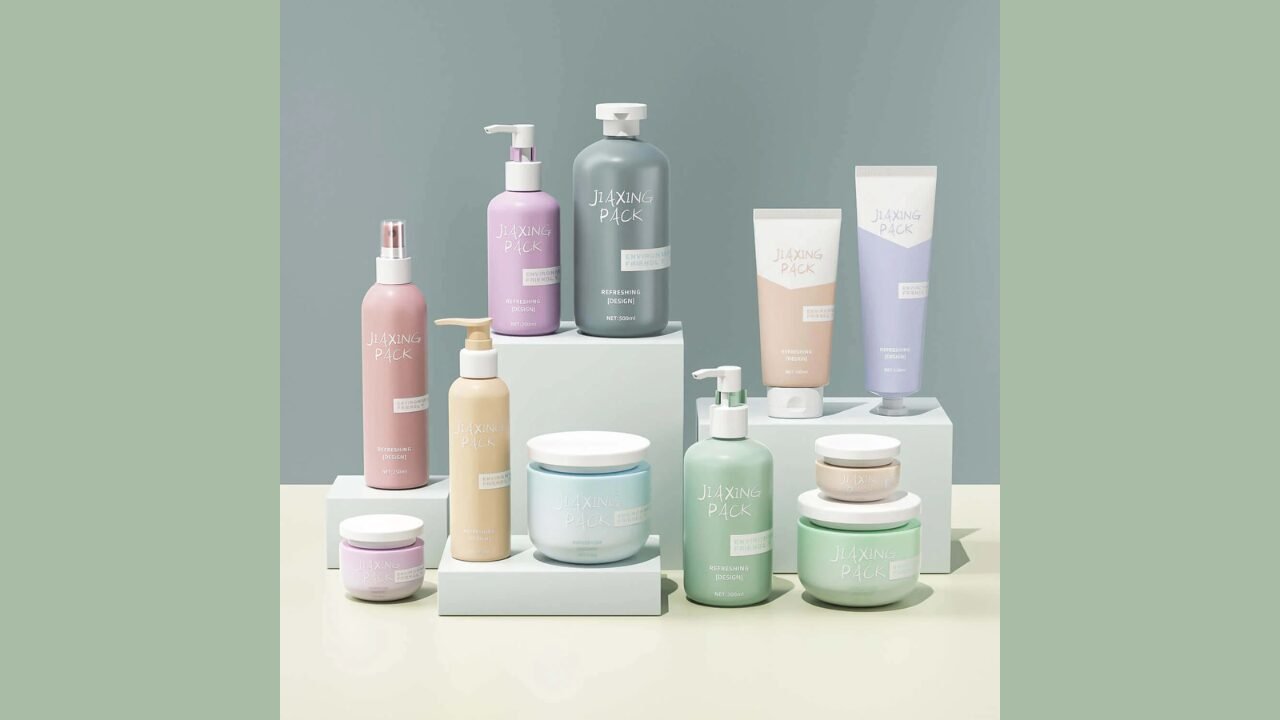
More brands are turning to sustainable packaging to meet customer expectations and reduce environmental harm. PCR packaging uses recycled plastic from bottles and containers consumers have already used, giving waste a second life while reducing the need for new plastic production. This approach helps your brand lower its carbon footprint and connect with eco-conscious shoppers.
What Is PCR Packaging?
PCR packaging uses materials from recycled plastic products that consumers have already used and discarded. This recycling process turns old bottles and containers into new packaging while using less energy than making plastic from scratch.
Definition and Meaning of PCR
PCR refers to post-consumer recycled material, also known as post-consumer resin. It refers to plastic packaging made from materials you’ve already thrown in your recycling bin. Your empty water bottles, shampoo containers, and milk jugs are collected, cleaned, and converted into PCR resin, which manufacturers use to create new packaging.
This differs from other recycled content because PCR specifically comes from items that first reached you as a consumer. The plastic served its original purpose before entering the recycling stream.
Post-Consumer Resin Lifecycle
Your used plastic containers start their journey at recycling centers, where workers sort them by type and color. The sorted plastics undergo cleaning to remove labels, adhesives, and residual product.
Clean plastics are then shredded into small pieces or pellets. These pieces are melted down and processed into PCR resin through mechanical or chemical recycling methods.
Types of PCR Materials Used
Common PCR materials include:
- rPET (recycled PET) – Used for beverage bottles and food containers
- PCR HDPE – Found in milk jugs, shampoo bottles, and cleaning product containers
- PCR PP – Used for food packaging and caps
PCR vs. Virgin Plastic Packaging
Virgin plastic comes from petroleum and requires more energy to produce. PCR plastic uses existing materials, reducing energy consumption during manufacturing and lowering greenhouse gas emissions. Your choice of PCR packaging helps decrease plastic waste in landfills.
Core Benefits of Sustainable PCR Packaging Solutions
PCR packaging helps your brand reduce plastic waste while meeting customer demand for greener products. These solutions offer real advantages for the environment, your supply chain, and your market position.
Environmental Impact and Carbon Reduction
When you choose PCR packaging, you reduce the need to produce virgin plastic. This reduces oil extraction and energy use during manufacturing. Each PCR bottle or jar keeps plastic waste out of landfills and oceans.
Your carbon footprint drops because recycling plastic uses less energy than creating new plastic from scratch. PCR materials require up to 70% less energy to produce compared to virgin plastics.
Supporting the Circular Economy
PCR packaging keeps materials in use through multiple life cycles. Your used bottles and jars get collected, recycled, and turned into new containers. This forms a closed-loop system in which materials are continuously reused rather than discarded.
You help build sustainable packaging solutions that can be recycled again after use. This continuous cycle reduces dependence on new raw materials.
Brand Value and Market Advantage
Your customers want eco-friendly packaging options. Using PCR shows you care about sustainability. This builds trust and loyalty with environmentally conscious shoppers.
You also stay ahead of regulations requiring recycled content in packaging. Many regions now mandate minimum PCR percentages, so adopting these materials early positions you as an industry leader.
Eco-Friendly Bottles: PCR Bottle Innovations
PCR bottles use recycled materials to create packaging that works just as well as traditional plastic while helping the environment.
Materials and Production Methods
PCR bottles are made from post-consumer recycled resin collected from used plastic products. The two main types are PCR and PET.
The production starts with collecting used bottles from recycling bins. These bottles get sorted by type and color, then cleaned to remove labels and dirt. Next, they’re shredded into small pieces and melted down to create recycled resin pellets.
You can choose bottles made with varying amounts of recycled content. Some brands use 100% PCR, while others mix recycled resin with virgin plastic based on their needs.
Features and Functional Advantages
PCR bottles match the strength and quality of regular plastic bottles. They protect your products from moisture, air, and light damage.
These bottles work for many products, including beverages, cosmetics, and cleaning supplies. PCR PET bottles offer clear transparency, while HDPE versions provide excellent chemical resistance.
Customization and Branding Options
You can customize PCR bottles with your brand’s colors, shapes, and sizes. Adding labels that highlight your use of recycled materials helps connect with eco-conscious customers.
Many manufacturers offer embossing, custom molds, and various closure options to make your bottles stand out on shelves.
Sustainable PCR Jars and Tubes for Modern Brands
PCR jars and tubes give your brand a practical way to reduce plastic waste while maintaining quality packaging that protects your products.
PCR Jars: Applications and Features
PCR jars work well for creams, lotions, and body butters. These containers use post-consumer resin from recycled bottles and jugs.
You can find PCR jars in sizes from small 5ml containers to larger 300ml options. Many brands choose 50% to 75% recycled content for the best balance of sustainability and appearance.
Common applications include:
- Face creams and moisturizers
- Body butters and scrubs
- Hair masks and treatments
The jars support standard decoration methods like printing and labeling. You can customize colors and finishes to match your brand.
PCR Tubes: Sustainability in Design
PCR tubes use multi-layer technology to keep formulas safe. The recycled resin sits in the middle layers while virgin material lines the inside.
This design works for products like cleansers, serums, and sunscreens. Your formulas never come into direct contact with the recycled material.
Material Selection and PCR Content Ratings
PCR percentage options:
- 10-30%: Maintains bright white finish
- 50-75%: Strong eco-impact with good aesthetics
- 100%: Maximum sustainability with natural coloring
Higher percentages may show slight color variations or specks, which many customers see as authentic eco-packaging.
Closures, Pumps, and Complementary PCR Packaging Components
Your sustainable packaging strategy isn’t complete without eco-friendly closures and dispensers. These components are now available in post-consumer recycled resin, making your entire package greener from top to bottom.
PCR Closures: Types and Functions
You can choose from several PCR closure options for your packaging needs. Disc-top caps and turret closures are available in 50% PCR polypropylene. These caps work just like traditional closures while reducing your environmental impact.
Child-resistant closures are also available in PCR materials. You don’t have to sacrifice safety for sustainability anymore.
Eco-Friendly Pumps and Dispensers
PCR pumps and sprayers give you practical dispensing options. Fine mist sprayers and foamer pumps are made from recycled materials. Some foamer bottles even include matching PCR pumps for a fully sustainable package.
These dispensers maintain the same performance you expect from traditional pumps.
Compatibility and Performance
PCR closures and pumps work with both PCR and virgin plastic bottles. You can choose different combinations according to your needs and budget.
Modern PCR products perform like their traditional counterparts. Your customers won’t notice any difference in quality or function.
Compliance, Recyclability, and Global Standards
PCR packaging helps you meet regulatory requirements while supporting circular economy goals through verified recycled content and proper end-of-life planning.
Recyclability and End-of-Life Management
Your PCR bottles, jars, and tubes should be designed for recyclability from the start. This means using mono-material construction when possible and avoiding mixed plastics that complicate sorting.
PCR packaging is already made from recycled materials and can be recycled again. This closed-loop system keeps plastics in use instead of sending them to landfills.
Certifications and Regulatory Compliance
You need FDA-compliant PCR resin if you’re packaging food or beverages. PolyCycle PCR and similar materials meet these safety standards while offering sustainable benefits.
Look for GreenCircle Certification to verify recycled content claims. EPR laws in California, Colorado, Maine, Minnesota, and Oregon now require producers to take responsibility for packaging waste.
Global Recycled Standard and Traceability
The Global Recycled Standard (GRS) verifies recycled content and tracks materials through your supply chain. This certification ensures transparency and prevents false recycling claims.
GRS certification requires third-party verification of your recycled content percentages. It also covers social and environmental production practices throughout the manufacturing process.
READ MORE
Challenges, Best Practices, and Future Opportunities
PCR packaging offers real benefits, but you’ll need to work through some practical hurdles. The supply of PCR material isn’t keeping up with demand, and costs remain higher than virgin plastics.
Design and Color Limitations
PCR material often comes with a grayish tint that limits your color options. You’ll find it harder to achieve bright whites or pastel shades in your bottles and jars. The recycled content can vary from batch to batch, so your products might show slight color differences.
Many brands work around this by choosing darker colors or embracing the natural gray tone as part of their eco-friendly story.
Supply Chain and Cost Considerations
The U.S. market still faces a shortage of PCR material, even as recycling capacity grows. In 2023, companies using PCR packaging averaged only 10.7% recycled content, up from 5.3% in 2019.
You’ll pay more for PCR products compared to traditional packaging. The limited supply drives prices up, though costs are slowly dropping as technology improves.
Trends and Innovations in PCR Packaging
Major brands like Coca-Cola and Nestlé now use recycled PET bottles. Refillable systems and deposit return programs are gaining ground as ways to boost recycling rates.
New EU and FDA regulations for 2025 are pushing the industry forward, with some PCR pouches now containing up to 85% recycled content.