
Choosing the Right AMR Water Meter: 2 Smart Solutions for Remote Reading & Leak Detection
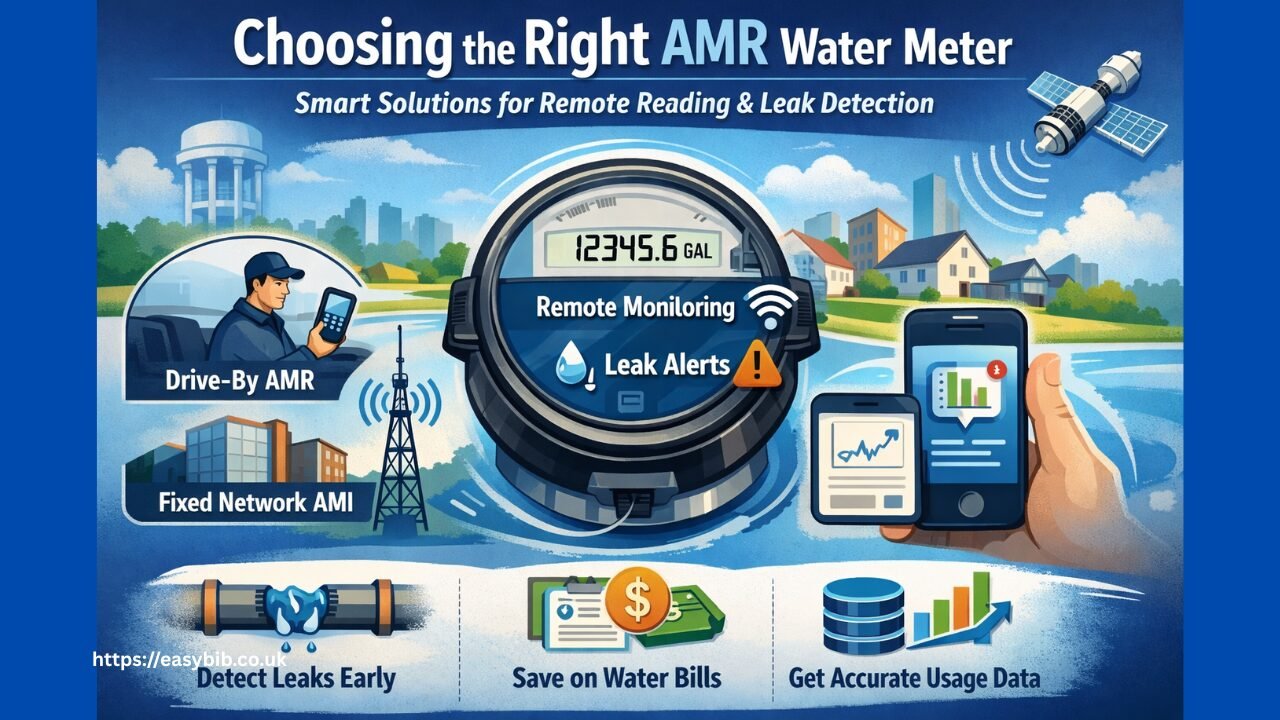
Water leaks waste nearly 1 trillion gallons annually in the U.S., and outdated manual meter reading makes it harder to catch problems early. AMR (Automated Meter Reading) water meters solve this by automatically collecting usage data and detecting leaks without manual visits, saving you time and preventing costly water damage.
Choosing the right AMR system means understanding how different communication technologies work and which features matter most for your property. Whether you’re managing a single building or multiple sites, the right meter can cut costs, improve accuracy, and give you real-time alerts when something goes wrong.
This guide walks you through everything you need to know about AMR technology, how it compares to other options, and what to look for in a smart water meter that fits your needs.
Understanding AMR Water Meter Technology
AMR water meters automatically collect and send water usage data to your utility provider, removing the need for manual readings and giving you better control over your water consumption.
What Is Automatic Meter Reading?
Automatic meter reading is a technology that collects data from your water meter and sends it to a central system without anyone visiting your property. Your meter uses sensors to track water flow and a transmitter to send this information wirelessly. This means you get accurate bills based on actual usage, not estimates.
Key Components of AMR Systems
Your AMR system has three main parts working together. The meter measures your water usage with digital sensors. The transmitter wirelessly transmits your data to the utility company. The central database stores all the information for billing and monitoring. These components work together to give you and your provider real-time access to your water usage data.
Types of AMR Water Meters
You’ll find two main types of AMR systems. Drive-by systems need a utility worker to drive past your property with a receiver that collects data from your meter. Fixed network systems use permanent receivers installed throughout your area that automatically collect data from your meter multiple times per day, providing more frequent updates.
AMR vs. AMI: Choosing the Right Solution
AMR and AMI offer different approaches to remote water meter reading, with distinct communication methods and cost structures that affect which system works best for your needs.
Differences Between AMR and AMI
AMR focuses on basic automated meter reading. It collects usage data periodically, usually monthly, without requiring manual meter checks. You’ll need mobile equipment, such as handheld devices or vehicle-mounted readers, to collect data from your meters.
Advanced Metering Infrastructure (AMI) is a complete system. It includes smart meters, a fixed network, and data management software. AMI collects information frequently—hourly or more often—and automatically sends it to your central system.
One-Way vs. Two-Way Communication
AMR uses one-way communication. Data flows from the meter to your reading device, but you can’t send commands back to the meter.
AMI provides two-way communication. You can monitor usage and control meters remotely. This means you can shut off valves, check meter status, and receive instant leak alerts.
Deciding Between AMR and AMI Systems
Choose AMR if you have a limited budget or serve rural areas. It eliminates manual reading without requiring a fixed network system.
Pick AMI systems if you manage dense urban areas or want real-time leak detection. The higher upfront cost pays off through better water management and faster problem response.
Smart Solutions for Remote Reading & Leak Detection
Remote water meter reading systems give you instant access to your water usage data and help catch leaks before they become expensive problems. These smart systems work automatically and send alerts when something looks wrong.
How Remote Water Meter Reading Works
Your remote water meter uses radio-frequency signals to transmit data without anyone needing to visit your property. The meter collects usage information and transmits it through wireless networks to a central database.
Automated meter reading happens on a schedule you choose. Some systems send data hourly while others update daily. The meter’s built-in battery powers these transmissions for up to 20 years without replacement.
You can access your water usage through a web portal or mobile app. The data shows up in easy-to-read charts and graphs that track your consumption patterns.
Real-Time Monitoring and Usage Alerts
Real-time data transmission lets you monitor your water usage in real time. You’ll get alerts on your phone or email when usage spikes unexpectedly.
The system can detect unusual patterns, such as continuous flow, that might indicate a running toilet or a dripping faucet. You set your own alert thresholds based on normal household usage.
Proactive Leak Detection Strategies
Advanced meters use acoustic sensors to listen for leaks in your pipes. These sensors pick up the sound of water escaping before you notice any visible signs.
Tamper-detection features alert you if someone tries to tamper with your meter. The system also flags backwards flow or magnetic tampering attempts right away.
Communication Technologies and Integration
AMR water meters rely on wireless networks to transmit data from your meter to the utility, with options ranging from low-power wide-area networks to cellular connections and cloud-based platforms for storing and analyzing your consumption data.
LPWAN and LoRaWAN Networks
Low-Power Wide-Area Networks (LPWAN) are popular for AMR systems because they use minimal battery power while covering large areas. LoRaWAN is one of the most common LPWAN options, offering ranges up to 10 miles in rural settings.
Other LPWAN technologies include NB-IoT and LTE-M, which run on existing cellular infrastructure. Sigfox provides another alternative with its ultra-narrowband network. These networks work well for water meters because they only need to send small amounts of data and can last 10-15 years on a single battery.
Cellular and Satellite Communication Options
Cellular networks like 4G and 5G offer reliable connections in urban areas where you need real-time data. These systems provide faster data transmission than LPWAN but consume more power.
Satellite AMR works in remote locations where other networks don’t reach. It’s more expensive but ensures coverage anywhere.
Cloud Platforms and Data Management
Cloud platforms securely receive, store, and analyze your meter data. They integrate with billing systems and provide dashboards that let you track usage patterns and quickly detect leaks.
Key Features and Performance Considerations
When choosing an AMR water meter, consider how well it collects data, how long it lasts, and how it integrates with your current systems. These factors directly affect your costs and efficiency.
Billing Accuracy and Data Collection Frequency
Your AMR system needs to give you accurate readings every time. Modern meters can collect data at different intervals, from daily snapshots to hourly data that shows exact usage patterns. Hourly data helps you spot leaks faster and gives customers detailed information about their water use. This level of detail improves billing accuracy and reduces customer disputes.
Battery Life and Maintenance Costs
Battery life matters because it affects your maintenance costs. Many smart water meters now offer batteries that last up to 20 years. This means fewer truck rolls and lower labor expenses over time. You won’t need to replace batteries as often, which helps reduce costs across your entire meter network.
Seamless Integration with Utility Management
Your new meter reading systems should work with your existing utility management software. Look for solutions that offer cloud-based data analytics and two-way communication. This seamless integration lets you manage everything from one platform without buying entirely new systems.
READ MORE
Implementation, Standards, and Best Practices
AMR water meters require proper setup and ongoing maintenance to function effectively. Following industry standards and smart deployment strategies helps you get the most from your system while supporting water conservation goals.
ISO 4064 and Device Certification
ISO 4064 sets the global standard for water meter accuracy and performance. This certification ensures your meters measure water usage correctly across different flow rates and conditions.
When choosing AMR devices, look for ISO 4064 certification on the product specifications. Certified meters meet strict testing requirements for durability and precision. Your property manager can rely on accurate billing data when meters follow these standards.
Deployment Challenges and Solutions
Installing AMR systems takes careful planning. You might experience signal issues in areas with thick walls or in remote locations. Cellular-based systems solve this by using existing network infrastructure.
Start with a pilot program on a small section of properties before full deployment. This helps you identify coverage gaps and technical problems early. Wire-free endpoints simplify installation and reduce moisture-related failures.
Water Conservation and Resource Allocation
AMR technology improves operational efficiency by detecting leaks quickly through continuous monitoring. You can spot unusual usage patterns that indicate problems before they cause thousands of gallons to be wasted.
Smart water management tools help you allocate resources based on real consumption data. This supports better planning and reduces non-revenue water loss across your system.