
How to Choose the Right Electric Bike for Your Commute or Adventure
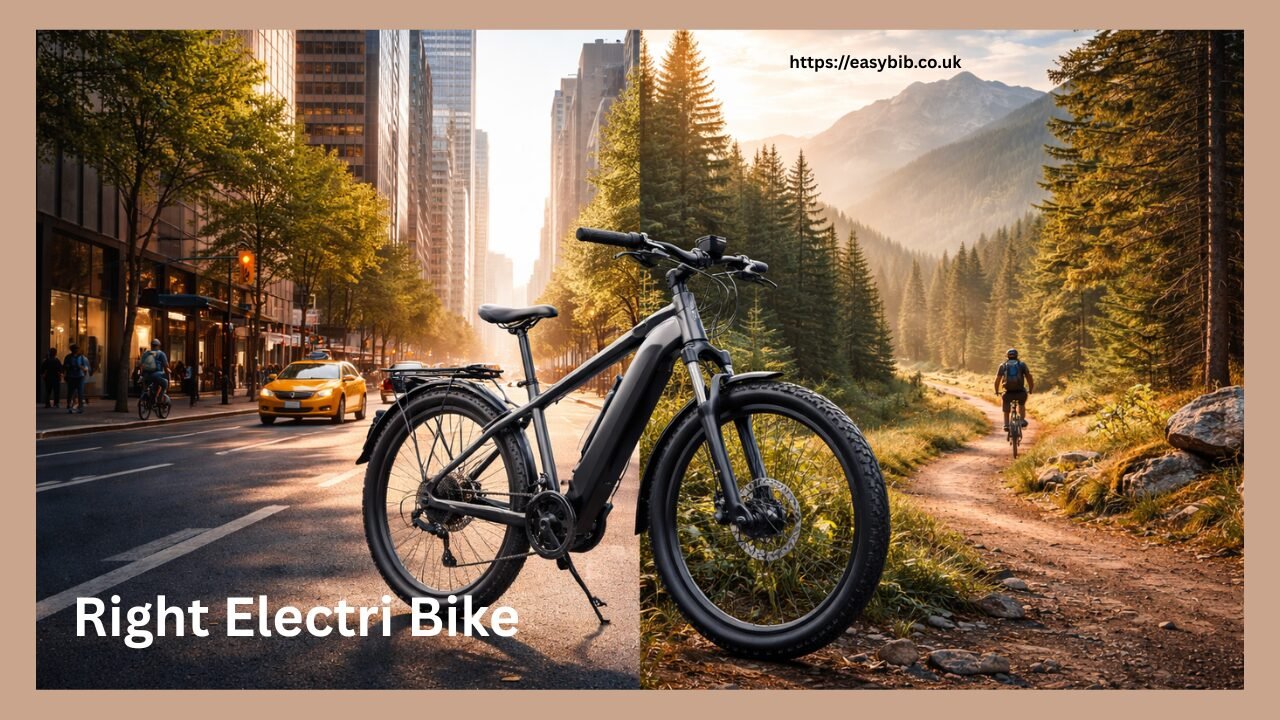
Electric bikes open up new ways to travel, whether you’re heading to work or exploring new trails. The right e-bike depends on how you’ll use it, the terrain you’ll cover, and the features that matter most to you. Understanding these factors helps you pick a bike that fits your needs and budget.
Choosing an e-bike involves more than just picking the fastest or cheapest option. You need to think about battery range, motor power, and comfort features. The riding you do makes a big difference, too. City commuting requires different features than off-road adventures.
This guide breaks down what you need to know before buying.
Key Considerations When Choosing an Electric Bike
Picking the right electric bike starts with understanding your specific needs, budget, and the rules that govern where you can ride. These three factors will narrow down your choices and help you find an e-bike that fits your lifestyle.
Defining Your Commute or Adventure Needs
Think about where you’ll ride most often. A commuter e-bike works best for city streets and paved paths, while mountain e-bikes handle trails and rough terrain. Your typical distance matters too. Short trips under 10 miles need less battery power than longer commutes.
Consider what you’ll carry. If you haul groceries or work gear, look for models with cargo racks. Your route’s hills also matter since steeper climbs require motors with higher torque ratings.
Assessing Budget and Value
Urban e-bikes typically cost $1,000 to $4,000. Mountain and performance models run $3,000 to $15,000. Lower-priced bikes often use hub motors, while premium options feature mid-drive systems that feel more natural.
Don’t just compare sticker prices. Check what’s included, like warranties, accessories, and service options.
Understanding E-Bike Classes and Local Regulations
E-bike laws vary by state, so knowing the three classes helps you stay legal. Class 1 e-bikes reach 20 mph with pedal assist only. Class 2 e-bikes add a throttle but keep the 20 mph limit. Class 3 e-bikes hit 28 mph with pedal assist.
Some areas ban Class 3 models from bike paths. Check your local e-bike regulations before buying.
Matching E-Bike Types to Commute and Adventure Styles
Different e-bike designs solve different riding challenges. Commuter e-bikes work best for daily city travel, while folding models fit tight storage spaces, cargo bikes haul groceries or gear, and hybrid bikes handle varied terrain.
Commuter and Urban E-Bikes
City e-bikes and electric commuter bikes focus on reliability and comfort for daily trips. You’ll find upright riding positions that improve visibility in traffic and make stopping at lights easier.
Most urban e-bikes include fenders, lights, and rack mounts. These features protect you from rain and let you carry bags without a backpack.
Folding E-Bikes for Portability
Folding e-bikes collapse for storage in apartments, offices, or car trunks. They’re perfect if you combine biking with public transit or have limited space.
The trade-off is smaller wheels and less stability at higher speeds.
Cargo E-Bikes for Heavy Loads
Electric cargo bikes carry kids, groceries, or work equipment. You’ll find longtail designs that extend the rear rack or front-loader styles with cargo boxes.
Battery capacity matters more here since you’re hauling weight.
Hybrid, Gravel, and Cruiser E-Bikes
Hybrid e-bikes handle both paved roads and light trails. Gravel e-bikes add wider tires for dirt roads and rougher paths. Cruiser e-bikes prioritize comfort for relaxed rides.
Essential Features to Look for in an Electric Bike
The right motor type, battery setup, frame design, and built-in accessories can make or break your e-bike experience. These core features determine how your bike performs, how far you can ride, and how comfortable you’ll be.
Motor Types: Hub vs. Mid-Drive
Hub motors sit inside your wheel, either in the front or the back. They’re simple and affordable. You’ll feel a push from behind, courtesy of a rear hub-drive motor. They work great for flat commutes and casual rides.
Mid-drive motors attach to the bottom bracket where your pedals connect. They offer better balance and a more natural pedal-assist feel. These motors handle hills and heavy loads better than hub motors. They’re worth the extra cost if you ride steep terrain or carry cargo.
Battery Capacity and Range
Battery capacity is measured in watt-hours (Wh). A 500Wh battery paired with a 500W motor drains faster than the same battery with a 250W motor. Most e-bikes go 20-100 miles per charge.
Your actual range depends on pedal-assist levels, terrain, and how much weight you carry. Higher assist modes drain batteries more quickly.
Frame Styles and Ride Comfort
Frame style affects how you sit and ride. Step-through frames make mounting easier. Folding e-bikes work great if you need to store your bike in small spaces or take it on transit.
Integrated Accessories and Safety Features
Integrated lights, rear racks, and built-in locks add value. These features cost less than buying them separately, and they’re designed to work with your e-bike’s battery.
Tailoring Your E-Bike to Terrain and Riding Conditions
Different surfaces and weather patterns require specific bike features. Your motor power, tire choice, and frame design should match where you ride most often.
Urban Commuting and City Roads
City streets work best with road bikes or lightweight models. Look for bikes with smooth tires around 1.5-2 inches wide. These roll easily on pavement and help you move quickly through traffic.
A 250W to 500W motor handles most city needs. You’ll climb bridges and overpasses without problems. Puncture-resistant tires save you from flat repairs during your commute.
Fenders keep road spray off your clothes when it rains. Integrated lights help cars see you at dawn or dusk. A step-through frame makes stops at red lights easier since you can put your feet down quickly.
Hilly or Mountainous Routes
Steep climbs need serious power. Choose a motor with 500W or more and at least 80Nm of torque. This combination keeps you moving on 15% to 20% grades without exhausting yourself.
Battery capacity matters here. A 48V system with 600Wh or higher gives you the range to tackle multiple hills. Torque sensors adjust power smoothly as you pedal harder uphill.
Hydraulic disc brakes are important for safety. They stop you quickly on steep descents, even when carrying cargo or gear.
Gravel, Trails, and Mixed Terrain
Off-road paths demand wider tires. Mountain bikes and gravel bikes use tires from 2.1 to 4 inches wide. Knobby tires grip loose dirt and rocky sections better than smooth ones.
A mountain e-bike (MTB) with front suspension absorbs bumps and roots. Full suspension adds comfort on technical mountain trails but comes at a higher cost. Look for at least 80mm of travel in the front fork.
Reinforced frames handle the stress of rough terrain. Mid-drive motors balance weight better than hub motors on steep trail sections.
Weather Considerations and All-Season Riding
Rain and snow change how your bike performs. Fat tires (3.5 to 4 inches) help you ride through sand, snow, and mud. They spread your weight over a larger surface area so you don’t sink in.
Sealed electrical components protect your battery and motor from water damage. Check the IP rating before riding in heavy rain.
Cold weather reduces battery range by 20% to 30%. Removable batteries let you warm them indoors before rides. Fenders and chain guards keep slush and debris away from moving parts.
READ MORE
Comfort, Performance, and Customization Options
Getting the right components can make or break your ride. The right suspension, saddle, pedals, and brakes turn a basic e-bike into one that fits your needs perfectly.
Suspension Types for Different Rides
The front suspension uses a fork to absorb bumps on rough roads and trails. It’s common on bikes and helps with comfort during longer rides.
Full suspension adds rear shock absorption, too. This setup works best for mountain biking or very rough terrain. City commuters usually don’t need it.
Seatpost suspension offers a middle option. It smooths out bumps without adding much weight to your bike.
Choosing the Right Saddle and Pedals
Saddles come in different widths and levels of padding. Wider saddles work better for upright riding positions. Test different options before long rides.
Pedals matter more than you might think. Platform pedals work for casual rides. Clipless pedals help with efficiency on longer commutes.
Brakes, Tires, and Other Performance Components
Hydraulic disc brakes provide the strongest stopping power. They’re standard on quality e-bikes and work well in wet conditions.
Mechanical disc brakes cost less but need more maintenance. They still work fine for most riders.
Wider tires add comfort and grip. Narrower tires roll faster on pavement.