
HVAC Installation Guide: Cost, Services, Residential and Commercial Systems
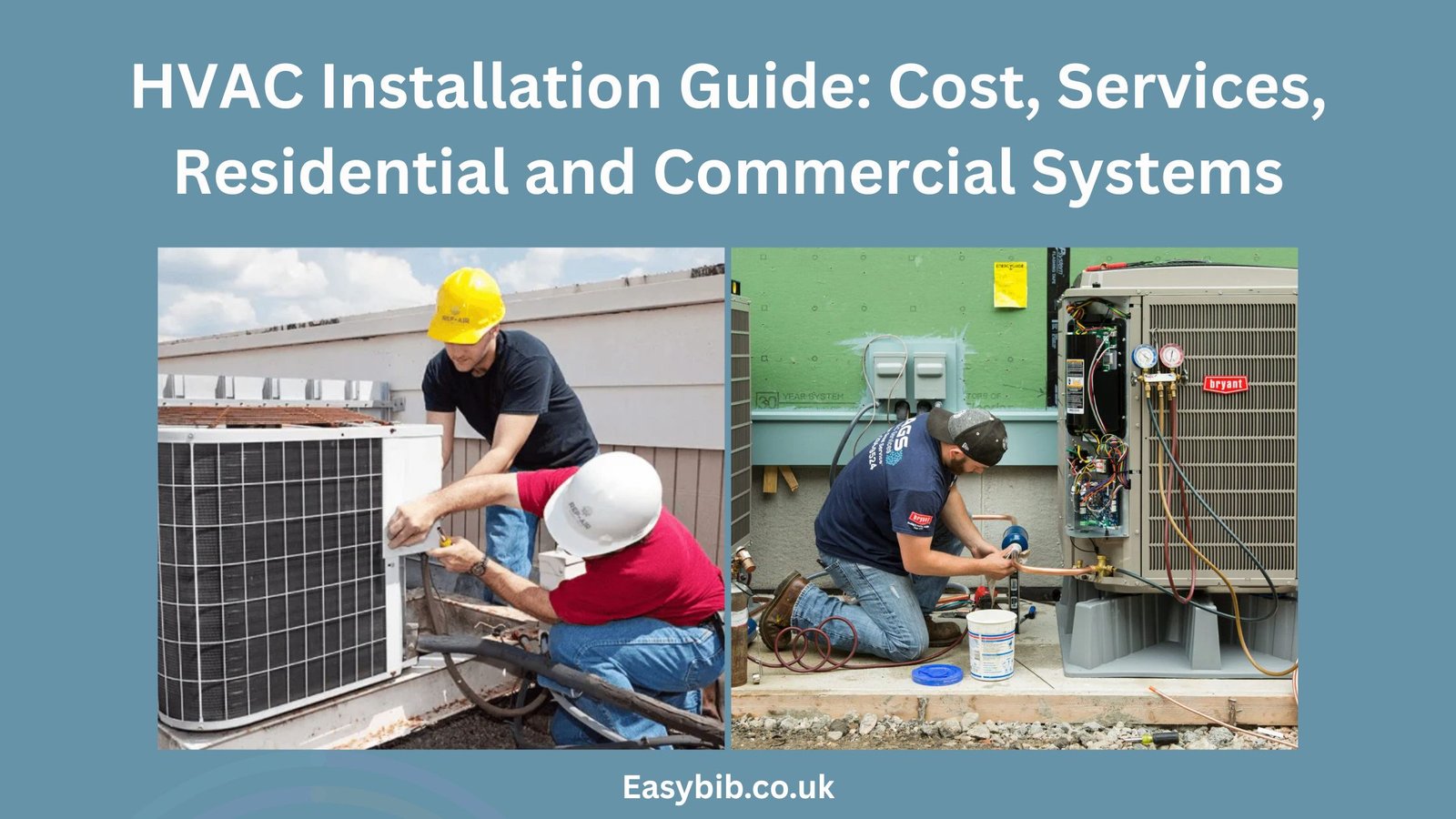
HVAC installation refers to the setup of heating, ventilation, and air conditioning systems inside residential, commercial, or industrial buildings. These systems control indoor temperature, air quality, and ventilation. A properly installed HVAC system improves comfort, energy efficiency, and overall building performance.Modern buildings rely heavily on HVAC technology. Homes use it for cooling in summer and heating in winter.
Offices, factories, and shopping centers depend on large systems to maintain stable indoor conditions. Because these systems are complex, installation normally requires trained technicians and professional planning.A well-designed installation ensures the system runs efficiently for many years. Poor installation can lead to high energy bills, uneven temperatures, and frequent repairs.
What Is HVAC Installation?
HVAC installation is the process of selecting, positioning, connecting, and testing heating and cooling equipment in a building. It involves multiple components including air conditioners, furnaces, heat pumps, ductwork, thermostats, and ventilation systems.The process usually begins with a property inspection.
Technicians evaluate building size, insulation, airflow, and existing infrastructure. This helps determine the proper system capacity and layout. Proper sizing is important because systems that are too small or too large perform poorly and waste energy.After planning, technicians install the equipment, connect electrical systems, set up ductwork, and test the system to ensure it works correctly.
Types of HVAC Installation
Different buildings require different HVAC systems. The installation process depends on the building type and system design.
Residential HVAC Installation
Residential HVAC installation focuses on homes, apartments, and small residential buildings. These systems are usually smaller and designed for comfort and efficiency.
Common residential systems include:
- Central air conditioning systems
- Heat pumps
- Furnaces
- Ductless mini-split systems
The installation may include indoor units, outdoor condensers, thermostats, and duct systems. Home size strongly affects system choice and cost. Larger homes require more powerful equipment and more extensive ductwork.Residential HVAC systems usually last between 10 and 20 years when properly installed and maintained.
Commercial HVAC Installation
Commercial HVAC installation is used for offices, malls, hospitals, hotels, and other business buildings. These systems are more complex and must handle larger spaces and more occupants.
Commercial installations often involve:
- Rooftop HVAC units
- Variable refrigerant flow (VRF) systems
- Large duct networks
- Advanced ventilation systems
Engineers carefully design airflow and energy efficiency to maintain comfort across multiple rooms and floors. Commercial installations often take longer and require detailed planning.
Industrial HVAC Installation
Industrial HVAC systems are designed for factories, warehouses, and large production facilities. These environments require specialized climate control.
Industrial HVAC systems may regulate:
- Temperature for machinery
- Air filtration for safety
- Humidity control
- Ventilation for chemicals or dust
Because industrial facilities are large and complex, installation projects often involve engineering teams, structural planning, and specialized equipment.
HVAC Installation Services
Professional HVAC installation services handle every stage of the process. These companies employ certified technicians and engineers trained in system design and installation.
Typical services include:
System Assessment
Technicians inspect the property and evaluate heating and cooling needs. They measure building size, insulation levels, and airflow patterns. This helps determine the correct system capacity.
Equipment Selection
After the assessment, professionals recommend suitable HVAC equipment. Energy efficiency ratings, cost, and building requirements are considered.
Installation and Setup
The installation team mounts the equipment, installs ductwork, connects electrical components, and configures thermostats.
System Testing
Once installed, the system is tested for airflow, temperature control, and safety. This ensures the HVAC system works efficiently before the project is completed.Professional installation reduces the risk of problems and ensures long-term reliability.
HVAC Installation Cost
HVAC installation costs vary widely depending on several factors. These include the size of the building, the system type, and the complexity of installation.On average, a full HVAC installation can cost between $5,000 and $15,000, with many systems averaging around $10,000.Several key factors influence cost.
Home or Building Size
Larger spaces require more powerful HVAC units and more extensive ductwork. For example, smaller homes may cost around $3,000 to $6,000, while large homes can exceed $15,000.
System Type
Different HVAC systems vary greatly in price.
Typical ranges include:
- Central air systems: about $2,900 to $9,000
- Ductless mini-split systems: around $1,900 to $16,000
- Geothermal systems: up to $15,800 or more.
More advanced systems with higher efficiency ratings usually cost more upfront but reduce energy bills over time.
Labor and Installation Complexity
Labor costs often range from $500 to $2,500 or more depending on the project size. Complex installations, electrical upgrades, and duct modifications increase the price.
Additional Costs
Other expenses may include:
- Ductwork installation or replacement
- Electrical upgrades
- Permits and inspections
- Removal of old systems
These additional elements can significantly affect the final price.
HVAC Installation Near Me
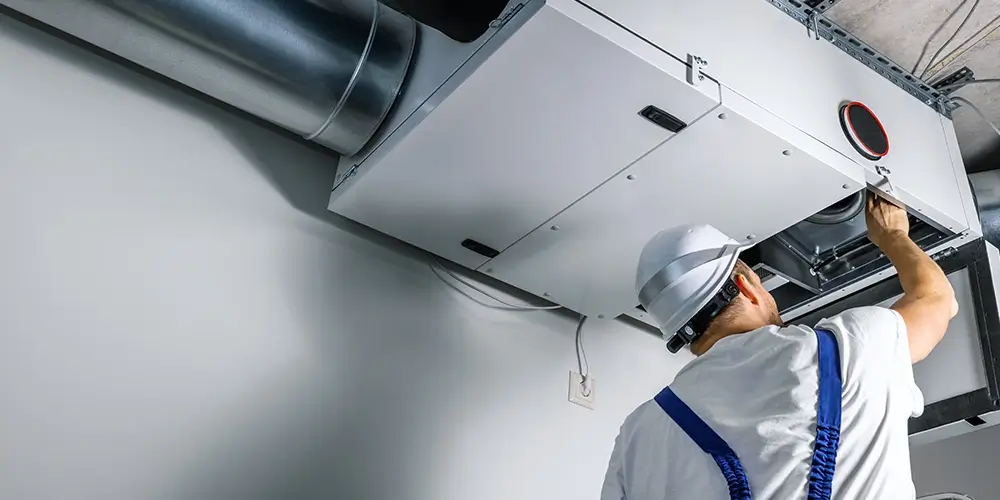
When searching for HVAC installation near you, it is important to choose a reliable and experienced contractor. Local companies understand climate conditions, building codes, and regional energy requirements.
Before hiring a contractor, consider the following:
- Check certifications and licenses
- Read customer reviews
- Request multiple quotes
- Ask about warranties and maintenance plans
Choosing a reputable local HVAC installation company ensures the system is installed correctly and complies with safety standards.
HVAC Installation Process Step by Step
Installing an HVAC system follows a structured process to ensure proper operation.
Initial Inspection
A technician evaluates the building, insulation, and existing ductwork. This step determines system size and placement.
System Design
Engineers design airflow routes, duct layout, and equipment placement.
Equipment Installation
The indoor and outdoor units are installed. Ductwork and electrical connections are added.
Testing and Calibration
Technicians test airflow, temperature control, and system efficiency. Final adjustments ensure optimal performance.The timeline depends on the system type. Simple installations may take a few hours, while complex commercial systems can take several days.
Benefits of Professional HVAC Installation
Professional installation offers several advantages.
- First, it ensures safety. HVAC systems involve electrical components, refrigerants, and heavy equipment.
- Second, correct installation improves efficiency. A properly installed system consumes less energy and reduces monthly utility bills.
- Third, it extends equipment lifespan. Poor installation can damage components and cause early failure.
- Finally, professional installation ensures compliance with building regulations and warranty requirements.
Choosing the Right HVAC Installation Company
Selecting the right company is essential for long-term system performance.
Look for companies that provide:
- Certified technicians
- Transparent pricing
- Detailed system design
- Warranty and support
- Maintenance services
Experienced companies also help customers select energy-efficient systems suited to their budget and climate.
Future Trends in HVAC Installation
HVAC technology continues to evolve. New systems focus on sustainability, automation, and energy efficiency.
Emerging trends include:
- Smart thermostats and automation
- Energy-efficient heat pumps
- Solar-assisted HVAC systems
- Advanced air purification technology
These innovations help reduce environmental impact while improving indoor comfort.
Conclusion
HVAC installation is a critical part of modern building infrastructure. It ensures comfortable temperatures, clean air, and efficient energy use. Whether for residential homes, commercial offices, or industrial facilities, proper planning and professional installation are essential.
Costs vary depending on system type, building size, and installation complexity. However, investing in a quality HVAC installation provides long-term benefits such as lower energy bills, better air quality, and reliable climate control.Choosing a qualified HVAC installation company ensures the system works efficiently and safely for many years.
FAQs
What is HVAC installation?
HVAC installation is the process of setting up heating, ventilation, and air conditioning systems in a building.
How much does HVAC installation cost?
The cost usually ranges from about $5,000 to $15,000 depending on the system and property size.
How long does HVAC installation take?
Simple installations may take a few hours, while complex systems may take several days.
Is professional HVAC installation necessary?
Yes. Professional installation ensures safety, efficiency, and proper system performance.
What affects HVAC installation cost?
Major factors include system type, building size, labor costs, ductwork requirements, and energy efficiency features.