
Why Men Have Worn Silver Chains for Thousands of Years — and Why It Still Makes Sense Today
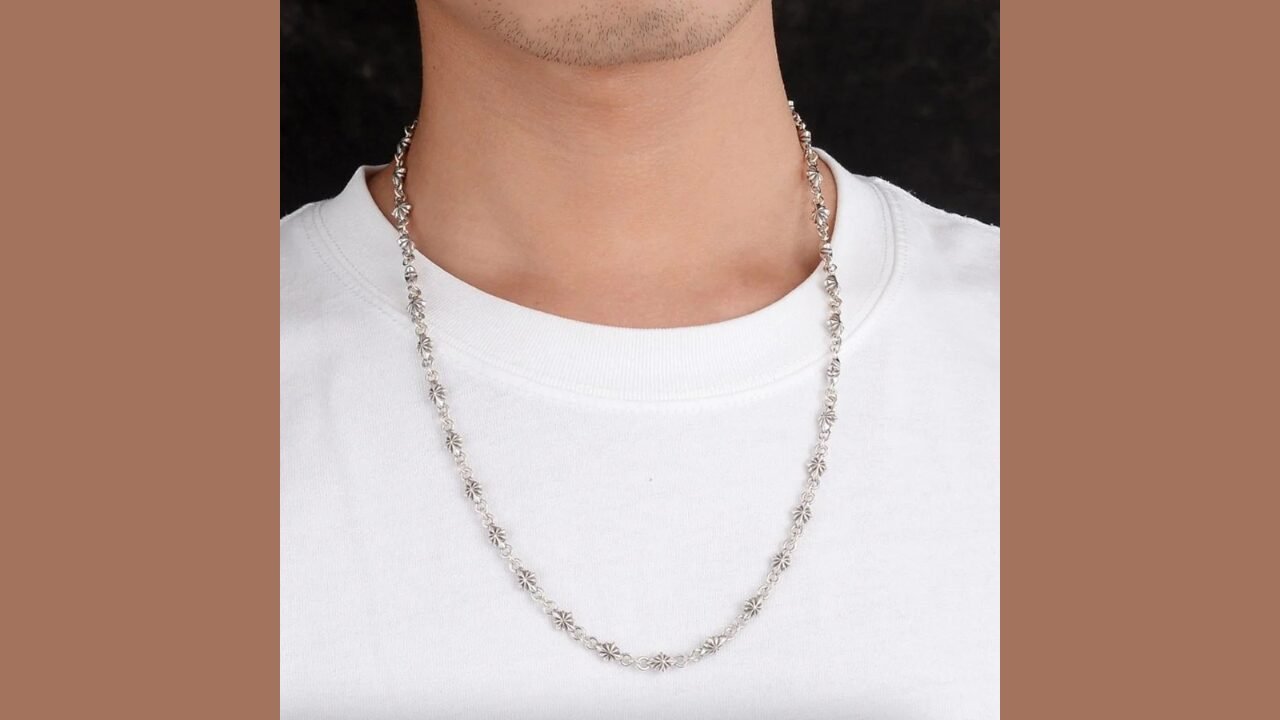
Silver chains for men didn’t start as fashion accessories. Long before they appeared in modern menswear, men wore chains for practical, symbolic, and personal reasons. Across cultures and historical periods, chains made of precious metals have represented authority, belief, identity, and continuity. What’s interesting is that while styles have changed, the reasons men wear silver chains haven’t shifted nearly as much as is commonly assumed.
Understanding that history helps explain why men’s silver chains still work today — and why some styles age well while others quickly feel dated.
Chains in the Ancient World: Function Before Fashion
In ancient civilizations such as Egypt, Mesopotamia, and Rome, metal chains were closely tied to power and permanence. Precious metals such as silver were difficult to obtain and refine, making them natural symbols of status. A chain wasn’t worn casually. Its weight, material, and construction immediately communicated rank and resources. These early silver chains were objects meant to last, often worn for life or passed down.
Function was as crucial as symbolism. Chains were used to secure garments, carry insignia, or hold meaningful objects close to the body. Decoration was secondary. Early silver chains favored solid construction and simple forms because they served a functional purpose. That focus on durability and restraint shaped how men would continue to wear silver chains for centuries.
Medieval to Early Modern Europe: Chains as Status Markers
As societies became more structured in medieval and early modern Europe, chains became clear indicators of social status. Nobility, military leaders, and officials commonly wore silver chains to signify authority and responsibility. In some cases, specific chain styles were associated with certain offices or ranks, making them part of a visual system people immediately understood.
What stands out during this period is restraint. Even though these silver chains were valuable, they were rarely exaggerated. A chain was meant to be visible, but not overwhelming. Excess could undermine authority rather than reinforce it. That idea still applies today when men choose silver chains that support their presence rather than compete with it.
The Shift to Personal Meaning: Silver Chains as Identity, Not Rank
Over time, sterling silver chains gradually shifted from formal status to personal meaning. As rigid hierarchies loosened, men began wearing silver chains voluntarily rather than under obligation. Pendants, medallions, and small tokens became common, often associated with religion, family, or personal beliefs.
Many men wore their silver chains beneath their clothing, visible only when they chose to display them. This marked a significant shift. Silver chains ceased to be symbols of public recognition and became personal objects. Even today, the appeal of silver chains for men often lies in what they mean to the wearer, not what they signal to others.
The 20th Century: From Utility to Self-Expression
Industrialization changed how men accessed jewelry. Silver became more widely available, and silver chains were no longer limited to elites or ceremonial use. Men from all backgrounds began wearing silver chains as part of everyday life. At the same time, silver chains became tools of self-expression, influenced by music, subcultures, and changing ideas about masculinity.
This era created a divide that still exists today. On one side were understated silver chains that blended naturally into a man’s wardrobe. On the other hand, oversized, trend-driven styles were built for visibility. Looking back, it’s clear that silver chains rooted in proportion and intention have aged far better than those driven by short-term trends.
Why Silver Became the Everyday Metal for Men
As chains became everyday items, silver naturally became the preferred metal for men. Silver offered a balance that few materials could match. It was valuable without being flashy, durable enough for daily wear, and soft enough to be repaired when needed. For men who actually wore their chains instead of storing them, silver made sense.
Sterling silver chains also age honestly. Rather than remaining artificially perfect, silver develops a patina and subtle wear over time. For many men, that aging process feels natural rather than problematic. It reflects use, ownership, and time — qualities that align well with long-term, practical thinking.
Why Silver Chains Still Make Sense for Modern Men
Modern wardrobes are increasingly casual and straightforward. In that context, silver chains remain one of the few accessories that still feel natural. A well-chosen silver chain works with a T-shirt, under a button-down, or layered lightly in cooler weather. It can be shown or hidden depending on the situation.
Silver chains also offer controlled self-expression. They don’t demand attention, but they add a personal detail that feels intentional. For men who prefer subtlety over flash, silver chains work quietly in the background. When chosen thoughtfully, they enhance an outfit rather than distract from it.
Wearing Silver Chains Today: What History Teaches Us
History makes one thing clear: restraint matters. Men have always worn silver chains most effectively when they complemented the wearer instead of overpowering him. Thickness, length, and weight should suit the individual, not chase trends.
Another lesson is intention. Men historically wore silver chains for a reason. Applying that mindset today leads to better choices. Instead of asking what stands out the most, it’s more helpful to ask whether a silver chain fits naturally into daily life and personal style.
Common Modern Mistakes Men Make With Silver Chains
One common mistake men make with silver chains is copying celebrity or social-media looks without context. What works on stage or in photos doesn’t always translate to everyday life. Oversized silver chains can easily dominate an outfit and draw attention away from the wearer.
Another issue is the neglect of the interaction between silver chains and clothing. Necklines, collars, and layers all matter. A silver chain that works with a T-shirt may feel awkward with a button-down. Treating silver chains as interchangeable accessories often yields results that appear accidental rather than intentional.
Choosing Silver Chains With Longevity in Mind
Choosing men’s silver chains with longevity in mind means thinking beyond trends. Timeless silver chain styles are usually simple, well-constructed, and free from unnecessary decoration, whether worn on their own or paired with silver pendants. Weight, link structure, and clasp quality often matter more than surface design, particularly when a chain is intended to support a pendant during long-term wear.
Longevity is also about mindset. A silver chain chosen to be worn for years — with or without silver pendants — encourages better decisions than one bought on impulse. Men who view their silver chains as long-term companions tend to choose pieces that evolve with their style instead of fighting it.
READ MORE
Conclusion
Silver chains for men have endured not because they follow fashion, but because they adapt without losing purpose. From symbols of authority to personal markers of identity, silver chains have always reflected how men see themselves. History shows that the silver chains that last aren’t the loudest ones, but the most considered.
For the modern man, wearing a silver chain isn’t about standing out. It’s about continuity. When chosen with proportion, material, and intention in mind, silver chains become part of a personal uniform rather than a trend. Styles change, but silver chains built on function, meaning, and restraint tend to stay.