
Car Repair and Maintenance Checklist Before a Used Car Road Trip
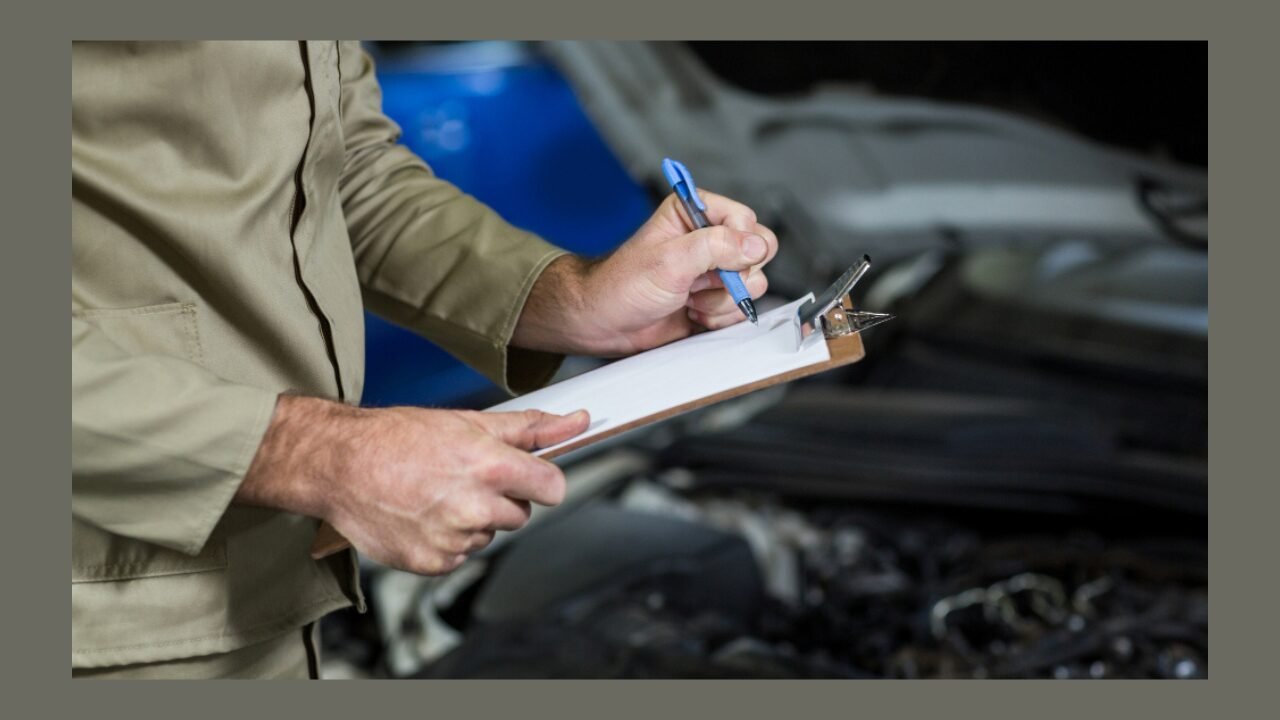
Preparing for a long-distance journey in a pre-owned vehicle requires a shift from regular commuting habits to a rigorous “mission-readiness” mindset. While a used car may be perfectly reliable for daily grocery runs or short work commutes, the sustained high speeds and varying altitudes of a cross-country trek can expose hidden mechanical weaknesses. A thorough pre-trip inspection is your best safeguard against the inconvenience and danger of a roadside breakdown. For drivers in the Lone Star State, scheduling a professional car repair service TX ensures that your vehicle’s cooling system, brakes, and tires are specifically vetted for the intense heat and vast distances typical of Southern travel. By following a structured checklist, you can transform an aging vehicle into a dependable travel companion ready for the miles ahead.
The Lifeblood Check: Essential Fluid Levels and Quality
The most critical step in preparing a used car for a road trip is auditing its fluids. Fluids do not just lubricate; they cool, clean, and transmit power. Over time, these chemical compounds break down, losing their ability to protect your engine under stress.
- Engine Oil: If your oil change is due within the next 1,000 miles, perform it before you leave. Long-distance driving at high speeds creates significant heat, and fresh oil provides better thermal management and friction reduction.
- Coolant (Antifreeze): A used car’s radiator is often prone to “scaling” or internal buildup. Ensure your coolant is at the proper level and is translucent, not cloudy.
- Brake fluid is hygroscopic, meaning it gradually absorbs moisture from the air. If your brake fluid looks like dark tea rather than light honey, it needs a flush. Moisture in the lines can boil during heavy braking on mountain descents, leading to a terrifying loss of pedal pressure.
- Transmission and Power Steering: Check these for burnt smells or dark discoloration. A healthy transmission fluid should be bright red or pink.
Tire Health: Beyond Just Air Pressure
Your tires are the only point of contact between your vehicle and the pavement. On a used car, they are also a primary indicator of suspension health. Before setting out, perform a three-step tire audit: pressure, tread, and age.
First, check the pressure in all four tires—and the spare—while they are “cold” (driven less than a mile). Use the PSI recommended on the driver-side door jamb, not the maximum pressure listed on the tire sidewall. Second, use the “penny test” to check tread depth. Insert a penny into the tread with Lincoln’s head facing down; if you can see the top of his head, your tires lack the depth needed to channel water away, increasing the risk of hydroplaning. Finally, check the sidewalls for “dry rot” or small cracks. Used cars that have sat for extended periods may have tires with plenty of tread but brittle rubber, prone to high-speed blowouts.
The “Rubber and Spark” Audit: Belts, Hoses, and Battery
Under the hood of a pre-owned vehicle, the rubber components are often the first to fail. Heat and age cause serpentine belts to fray and coolant hoses to soften. During your checklist, physically squeeze the radiator hoses. They should feel firm and rubbery; if they feel crunchy or excessively soft (like a sponge), they are nearing a burst point. Inspect the serpentine belt for “glazing” (a shiny appearance) or missing notches, as a snapped belt will immediately kill your power steering, alternator, and water pump.
The battery is another common culprit for road trip failures. The average car battery lasts 3 to 5 years. Check the terminals for a white, powdery buildup of corrosion, which can be cleaned with a baking soda and water mixture. If your used car struggles to start on cold mornings or the interior lights dim when you use the power windows, have a professional load-test the battery before you find yourself stranded at a remote rest stop.
Visibility and Safety: Wipers, Lights, and Filters
A road trip often involves driving through unfamiliar territory at night or during sudden summer downpours. Visibility is paramount. Inspect your windshield wiper blades for tears or streaking. If they haven’t been replaced in the last six months, a fresh set is a cheap way to ensure safety. Also, top off your washer fluid with a bug-remover formula, as highway grime and insects can quickly obscure your view.
Don’t forget the “internal” visibility—your cabin air filter. Used cars often have neglected filters that can lead to musty smells and reduced airflow from the AC. Replacing a clogged filter ensures your climate control system works efficiently during those long, hot stretches on the highway. Finally, do a complete walk-around with a partner to verify that all headlights, high beams, turn signals, and brake lights are functioning. A burnt-out bulb is not just a safety hazard; it’s an invitation for a traffic stop in an unfamiliar town.
The Test Drive: Listening for the “Unseen” Issues
Once you’ve completed your visual checks, take the car for a “diagnostic” test drive. Turn off the radio and find a quiet stretch of road. Listen for any rhythmic thumping that might indicate a wheel bearing issue, or for a high-pitched squeal when you apply the brakes, which signals that the pads are thin.
Pay attention to the steering wheel: does it vibrate at 65 MPH? This usually indicates a wheel balance issue. Does the car pull to one side when you let go of the wheel? You likely need an alignment. These minor annoyances on a ten-minute commute become fatiguing and potentially dangerous over an eight-hour drive. If your used car feels “loose” or “bouncy” over speed bumps, your shocks or struts may be worn out, making the vehicle harder to control during emergency maneuvers.
READ MORE
Conclusion
A road trip is meant to be a collection of memories, not a series of mechanical mishaps. For owners of used vehicles, the secret to a successful journey lies in the “Pre-Trip Baseline.” By systematically checking your fluids, vetting your tires, and ensuring your safety systems are functional, you mitigate the risks inherent in high-mileage driving. While it may seem like a lot of work upfront, this checklist provides the peace of mind necessary to actually enjoy the scenery rather than staring anxiously at the temperature gauge. Remember, a used car is only as reliable as the maintenance it receives. Taking the time to perform these checks—or visiting a professional for a pre-trip inspection—is the final step in ensuring that your next great adventure ends exactly where you planned: back home with a full camera roll and a vehicle that’s ready for the next one.