
The Rise of Cyber-Physical Control Systems
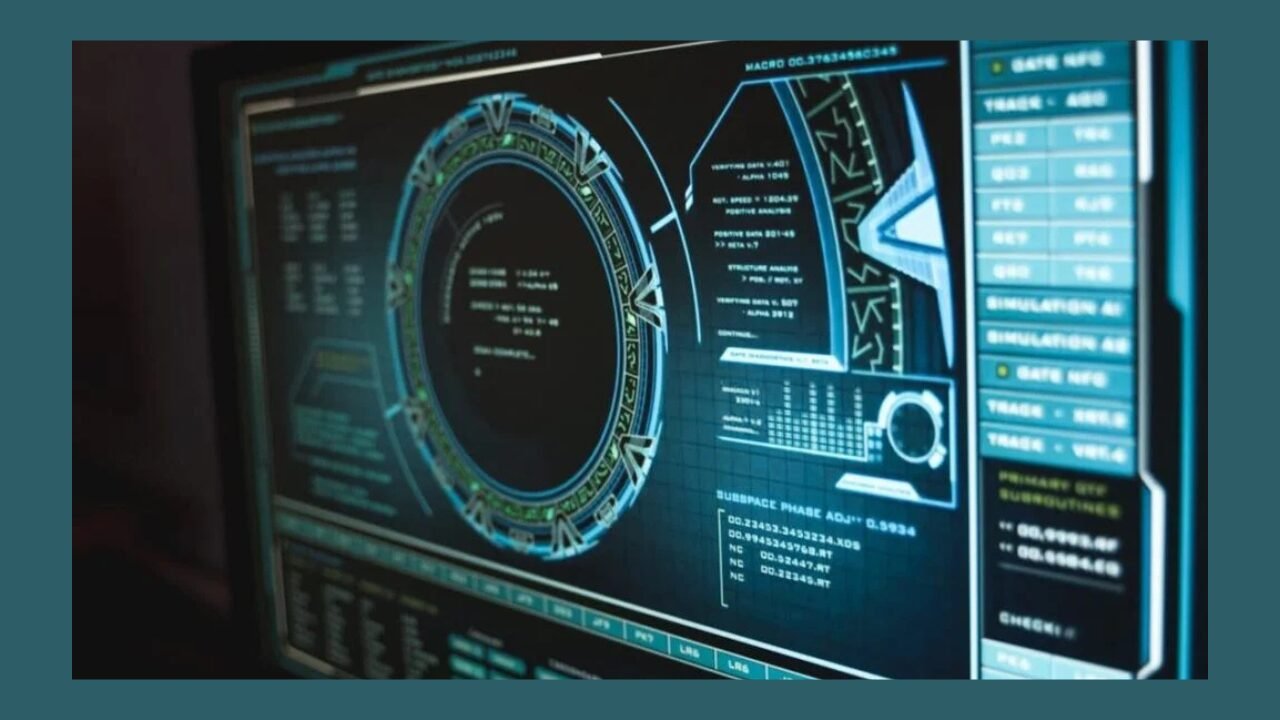
Cyber-physical control systems connect software and networks with real machines, so digital commands can move valves, start motors, regulate temperature, or balance electricity flow. They sit behind many daily essentials, from clean water and safe food production to public transit and manufacturing.
As more equipment becomes connected, these systems deliver faster data, easier remote support, and better automation. At the same time, a mistake or malicious action can have real-world consequences, since the goal is not just to protect data but also to keep physical processes safe and reliable.
What Cyber-Physical Control Systems Are
Cyber-physical control systems combine sensors, controllers, and software to monitor and adjust a process in real time. A sensor reads what is happening, a controller decides what to do next, and an actuator carries out the action.
In industrial settings, people often describe these environments as industrial control systems. Common pieces include SCADA for wide-area monitoring, distributed control systems for plant operations, and programmable logic controllers for direct machine control.
What makes them different from office IT is their mission. They often must prioritize safety, uptime, and predictable timing, since delays or sudden changes can damage equipment or put people at risk.
Why Adoption Is Accelerating
Organizations want clearer visibility into operations, such as energy use, production speed, and maintenance needs. Better visibility helps reduce downtime and waste, which matters in competitive markets.
Remote operations have expanded as well. Teams can troubleshoot sites far away, monitor fleets of assets, and coordinate responses during disruptions without sending a specialist to every location.
Modernization programs push this shift forward. Replacing aging equipment, digitizing maintenance records, and integrating analytics often leads to more connected control networks, even when the original system was built to run in isolation.
The IT And OT Convergence
Operational technology, or OT, refers to the hardware and software that directly monitor and control physical processes. IT focuses on business systems such as email, finance, and customer data, while OT focuses on how work is done on the ground.
The line between them is thinner than it used to be. Plants and utilities increasingly connect production data to business dashboards, and vendors provide remote support through secured connections rather than on-site visits.
This convergence brings benefits, yet it introduces shared exposure. A weak point in a connected pathway can allow threats to move from business networks into control environments if boundaries and monitoring are not carefully designed.
Protocols That Keep Machines Talking
Control environments rely on specialized communication methods, often referred to as industrial protocols. These protocols help devices share status, alarms, and control instructions across networks.
Many were designed for reliability and simplicity, not for hostile networks. That history means security features like strong authentication or encryption may be missing unless added through modern architectures, secure gateways, or updated implementations.
Many people hear OT and assume it is the same as everyday business IT, but the goals and constraints are different. If you want a plain-language starting point, you can learn what is operational technology and protocols and see how OT security differs from traditional IT security in practical terms. That quick grounding can make later decisions about segmentation, monitoring, and remote access feel much less confusing.
Risks That Make CPS Security Unique
A cyber incident in a control environment can lead to physical consequences, such as product quality issues, damaged machinery, or unsafe operating conditions. Even a small change to a setpoint or timing signal can matter when a process is sensitive.
Legacy equipment adds pressure. Many environments run devices that were never meant to be patched frequently, and some systems must stay stable for long periods to avoid interrupting operations.
Visibility can be limited, too. If you cannot see which assets are present, which paths connect them, and what normal behavior looks like, it becomes harder to detect suspicious activity early and respond with confidence.
READ MORE
Practical Steps To Reduce Exposure
Start with asset inventory and network mapping. Knowing what exists, where it is, and what it communicates with is the foundation for controlling risk and planning upgrades.
Segment networks so critical control functions are separated from business systems, and restrict remote access with strong identity checks and tight permissions. Guidance for industrial control system security emphasizes the design of protections that respect safety and reliability needs.
Use well-known security frameworks built for industrial environments. Standards such as ISA/IEC 62443 define structured approaches for managing zones, conduits, and security requirements across industrial automation and control systems.
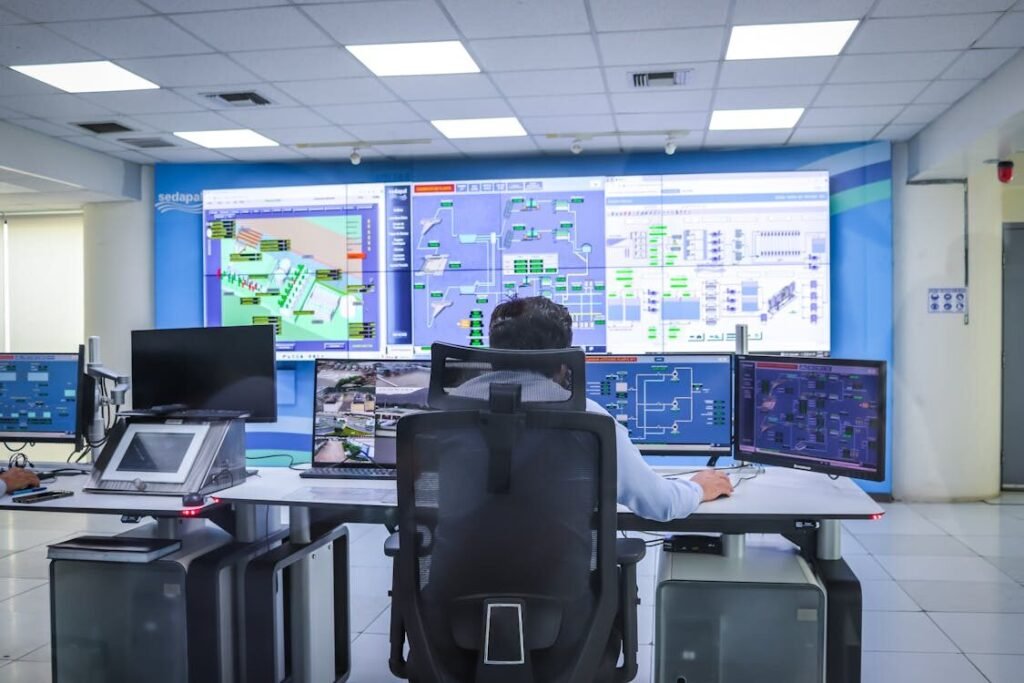
Cyber-physical control systems are becoming more connected because they improve insight, automation, and operational efficiency. That same connectivity means security must focus on protecting real processes, not just files and accounts.
The strongest approach is practical and layered: understand the assets, control the connections, watch for abnormal behavior, and align with trusted guidance and standards. With those basics in place, organizations can modernize confidently while keeping critical operations safe and dependable.