
Common Interior Design Oversights That Affect a Room’s Final Finish
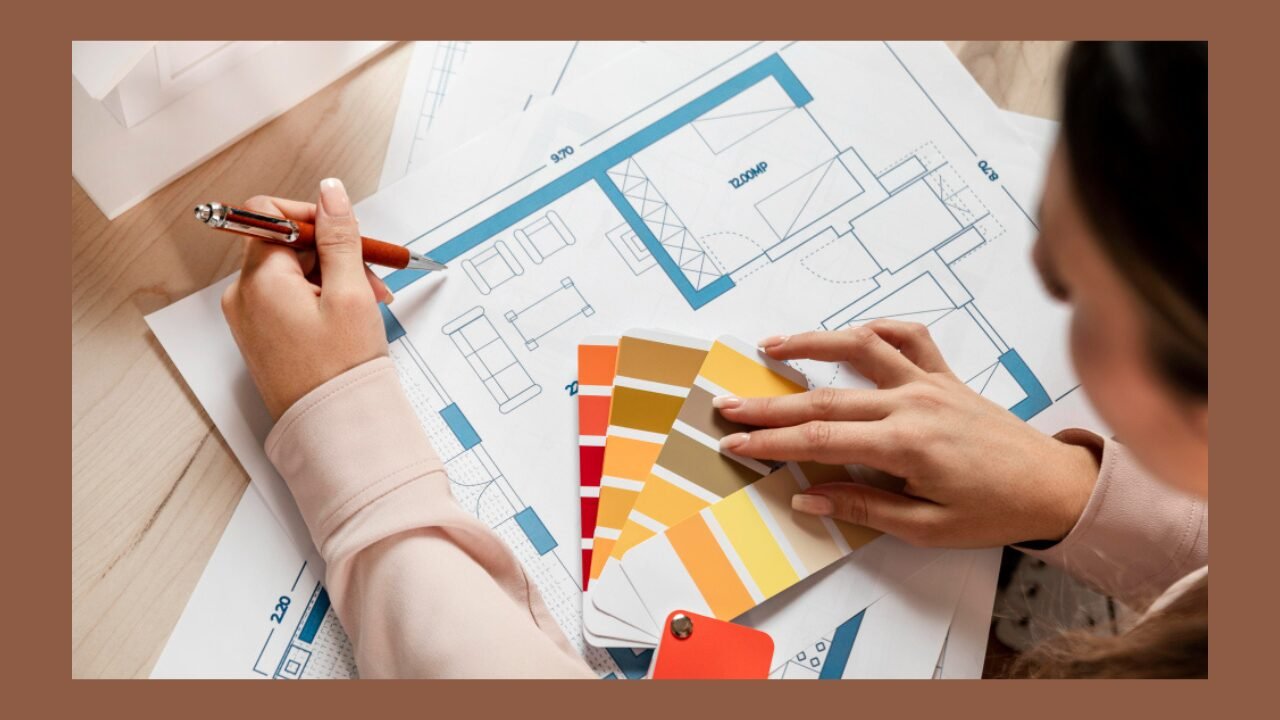
Interior design projects often begin with big decisions—colour palettes, flooring choices, and furniture layouts. While these elements are essential, many rooms fall short of their potential due to minor oversights that impact the final finish. These details may seem minor during planning, but over time, they can affect both the appearance and durability of a space.
Being aware of these common missteps can help homeowners and designers create interiors that feel complete, cohesive, and well considered.
Overlooking Wall-to-Floor Transitions
One of the most frequent oversights in interior design is neglecting how walls meet the floor. When this transition is not defined correctly, gaps, uneven edges, or visible imperfections can detract from an otherwise well-designed room.
Including skirting boards helps establish a clean boundary at the base of the walls, bringing structure to the space while protecting wall surfaces from everyday wear. Without this detail, rooms can appear unfinished, regardless of the quality of other materials used.
Inconsistent Finishing Details
Consistency plays a significant role in how polished an interior feels. Using different trim styles, finishes, or proportions from room to room can create a disjointed appearance, especially in open-plan layouts.
When finishing details are treated as an afterthought rather than part of a cohesive plan, the overall design can lose its sense of flow. Maintaining consistency across these elements helps spaces feel connected and intentional.
Prioritising Style Over Practicality
Another common mistake is focusing solely on aesthetics while overlooking practical needs. High-gloss surfaces, delicate finishes, or exposed edges may look appealing at first, but can struggle to withstand daily use.
Interior finishing details often serve both decorative and protective purposes. Ignoring their functional role can lead to increased maintenance and faster deterioration, particularly in high-traffic areas.
Ignoring Proportion and Scale
The size and profile of interior details matter more than many people realise. Oversized or undersized trim elements can throw off a room’s balance, making ceilings feel lower or walls appear awkwardly proportioned.
Choosing finishes that suit the space’s scale helps reinforce visual harmony. Subtle details tend to work best in modern interiors, while more pronounced profiles may suit traditional designs when used thoughtfully.
Rushing the Final Stages
Interior projects are often rushed toward the end, with finishing details installed quickly or inconsistently. This can result in uneven lines, visible gaps, or poorly aligned elements, undermining the overall quality of the space.
Taking time during the final stages ensures that details are correctly fitted and aligned, contributing to a more professional and durable finish.
Underestimating the Impact of Small Details
Many design oversights stem from underestimating how much small details influence perception. While these elements may not immediately draw attention, their absence is often noticeable on a subconscious level.
Well-executed finishing details help rooms feel complete and thoughtfully designed, enhancing both comfort and visual appeal.
READ MORE
Final Thoughts
A room’s final finish is shaped as much by small details as by major design choices. Overlooking elements such as transitions, consistency, proportion, and practicality can diminish the impact of an otherwise strong interior plan.
By paying attention to these commonly missed aspects, homeowners and designers can avoid unnecessary compromises and achieve interiors that not only look refined but also stand up better to everyday use.