
Plastic Extrusion: Technologies, Equipment, and Machines
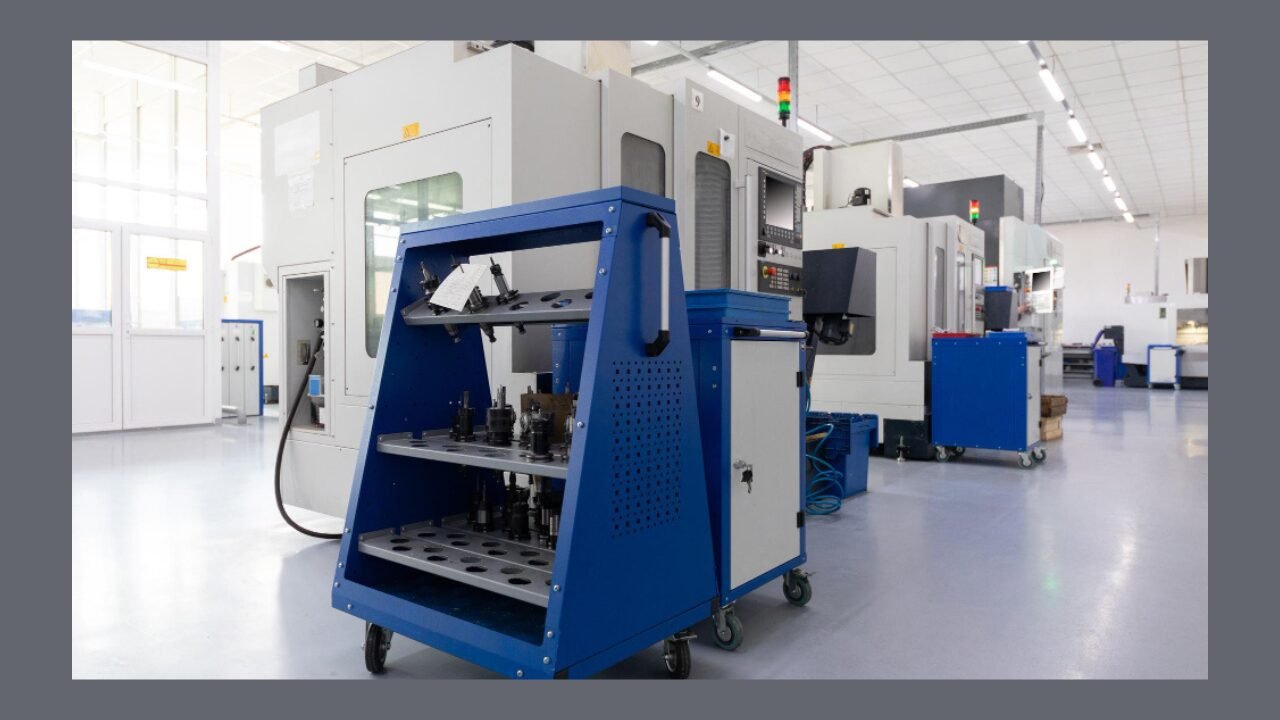
Plastic extrusion is a core manufacturing process in the plastics industry, used to produce everything from simple profiles to complex, high-performance components. This article provides a concise overview of the main extrusion processes, technologies, and machinery shaping the market today, with a focus on efficiency and sustainability.
Understanding Plastic Extrusion
What Is Plastic Extrusion?
Plastic extrusion is a continuous, high-volume manufacturing process in which raw plastic is melted and shaped into a constant cross‑section, or profile.
- Feeding: Plastic, typically in pellet or granule form, is introduced into an extruder.
- Melting: Inside the barrel, heaters and the rotating screw melt and homogenize the material.
- Shaping: The molten plastic is forced through a die to produce a specific cross-sectional shape.
- Cooling: The hot profile exiting the die is cooled—typically with water or air—to solidify and retain its shape.
- Cutting/Finishing: The continuous profile is then cut, coiled, or otherwise processed into finished products.
Because it is continuous and highly adaptable, extrusion is used to produce a wide variety of items, including pipes, tubes, window and door profiles, wire and cable coatings, and plastic films and sheets. Its combination of efficiency, scalability, and design flexibility makes it the backbone of modern plastics manufacturing.
Why Extrusion Matters in the Plastics Industry
The plastics industry relies heavily on extrusion for several reasons:
- Cost-efficiency: Continuous production and high throughput keep unit costs low.
- Versatility: A broad range of thermoplastics and blends can be processed into a wide range of shapes and sizes.
- Cross-industry relevance: Extruded components are used in automotive, construction, packaging, consumer goods, electrical, and many other sectors.
- Platform for innovation: New materials (e.g., high-performance polymers, bio-based plastics) and new product designs are often first commercialized via extrusion.
At the same time, extrusion technology is evolving. Manufacturers are investing in energy-efficient systems, more precise controls, and equipment capable of handling recycled and bio-based materials, while reducing scrap and improving product consistency.
Key Processes in Plastic Extrusion
Several tightly controlled process steps determine the quality, consistency, and efficiency of extrusion:
- Material handling and feeding: Stable, accurate feeding of pellets, regrind, and additives is essential. Gravimetric feeders are often used for high precision.
- Melting and mixing: Screw design (length, compression ratio, mixing elements) significantly affects melt homogeneity, throughput, and energy consumption.
- Filtration: Melt filters or screens remove contaminants to protect the die and improve product quality, especially important when processing recycled materials.
- Die forming: The die shapes the molten polymer into the required cross-section. Good die design minimizes defects, pressure drops, and material buildup.
- Cooling and sizing: Water baths, calibration tables, or air rings control dimensional stability and surface quality as the product solidifies.
- Downstream handling: Haul‑off units, cutters, winders, and stackers manage the extrudate after cooling, ensuring accurate lengths, coil quality, and surface protection.
- Automation and monitoring: Modern lines integrate sensors, PLCs, and analytics platforms to enable closed-loop control, real-time monitoring, and predictive maintenance.
When these steps are appropriately integrated and controlled, manufacturers can produce complex, customized profiles at high speed with minimal scrap and consistent quality.
Extrusion Technologies
Innovative Extrusion Technologies
Recent developments in extrusion focus on improving precision, sustainability, and process flexibility:
- Advanced control systems: Modern extruders use sophisticated control algorithms to stabilize temperature, pressure, and output, improving consistency and reducing waste.
- Improved die and screw designs: Computational tools optimize flow channels and screw geometries to enhance mixing, reduce energy consumption, and enable faster changeovers.
- Enhanced cooling and sizing: Innovative cooling concepts (e.g., optimized air rings for film, efficient calibration tables for profiles) improve dimensional control and throughput.
- Integrated analytics: Sensors and data platforms enable real-time visualization of line performance, automatic parameter adjustment, and long-term process optimization.
These technologies help manufacturers produce more with fewer resources and expand the range of materials and products that can be extruded reliably.
Traditional vs. Modern Extrusion Techniques
Traditional extrusion lines often:
- Rely on manual adjustments and basic temperature control.
- Have limited process monitoring.
- Operate with higher safety margins, resulting in more scrap and higher energy consumption.
- Deliver acceptable but less consistent product quality.
Modern extrusion systems typically:
- Use computer-aided engineering (CAE) to design screws and dies.
- Integrate CAD/CAM workflows from product design through tooling.
- Include extensive sensors (for temperature, pressure, melt quality, and dimensions) and feedback control loops.
- Offer recipes and automatic start-up/shutdown routines to shorten changeovers.
- Incorporate energy-efficient motors, drives, and cooling systems.
- Emphasize recyclability and processing of reclaimed materials.
The transition from traditional to modern extrusion reflects broader market requirements: higher quality, lower total cost of ownership, traceability, and stronger sustainability performance.
Future Trends in Extrusion Technology
Looking ahead, several trends are shaping the next generation of extrusion:
- Higher levels of automation: Robotics for material handling, packaging, and downstream operations will reduce labor requirements and improve consistency.
- Bright, self-optimizing lines: Systems that adjust parameters automatically based on real-time data and AI models to maintain quality and efficiency.
- Circular-economy capabilities: Lines designed to handle higher percentages of recycled content and bio-based polymers without compromising performance.
- Predictive maintenance: Analytics-driven maintenance strategies that identify anomalies early, minimize unplanned downtime, and extend equipment life.
- Customization and shorter runs: Faster tool changes, modular lines, and flexible controls to handle more SKUs and smaller batch sizes profitably.
Manufacturers that embrace these trends will be better positioned to deliver lightweight, high-performance, and sustainable products in increasingly demanding markets.
Extrusion Machinery and Equipment
Main Types of Extrusion Machines
Several extruder types are used, depending on material, product, and process requirements:
- Single-screw extruders
- The most common type in the industry.
- Well-suited for standard thermoplastics and many profile, pipe, and film applications.
- Known for relative simplicity, robustness, and good energy efficiency.
- Twin-screw extruders
- Available as co-rotating or counter-rotating designs.
- Offer superior mixing, devolatilization, and compounding performance.
- Ideal for complex formulations, filled and reinforced materials, and reactive processing.
- Ram (piston) extruders
- Used for very high-viscosity or special materials such as PTFE.
- Operate in a more discontinuous manner, but can handle materials that cannot be processed on conventional screw extruders.
Selecting the right extruder type depends on material rheology, formulation complexity, target output, and the degree of mixing and control required.
Key Components of Extrusion Equipment
Extrusion equipment consists of several core subsystems:
- Extruder screw and barrel: The screw conveys, melts, and mixes the material; its design is central to process stability and efficiency.
- Drive system: The motor and gearbox deliver the required torque and speed for the process while influencing energy consumption.
- Heating and cooling systems: Barrel heaters and cooling circuits keep the melt within tight temperature windows to ensure consistent properties.
- Die and tooling: Precisely machined dies define product geometry and surface finish; tooling must be carefully matched to the material and intended application.
- Control system: PLCs or industrial PCs collect sensor data and regulate temperatures, speeds, pressures, and downstream equipment.
- Downstream equipment: Calibrators, cooling baths, haul‑offs, cutters, and winders complete the line and are critical for final product dimensions and quality.
The performance of the entire extrusion line depends on how well these components are engineered, integrated, and maintained.
Choosing the Right Machinery for Your Needs
When selecting extrusion machinery, companies should carefully consider:
- Materials and products: Types of polymers, additives, and recycled content; required mechanical and optical properties; target dimensions and tolerances.
- Production volume and flexibility: Expected throughput, number of product variants, frequency of changeovers, and future capacity needs.
- Energy and operating costs: drive, heater, and cooling-system efficiency; ease of maintenance; availability of spare parts and service.
- Automation and integration: Compatibility with existing plant systems, data collection requirements, and desired level of automation.
- Total cost of ownership: Not only purchase price, but also lifecycle costs, reliability, and scalability.
Working closely with experienced equipment suppliers and leveraging application engineering support can help ensure that the selected solution meets both current and long-term business objectives.
Innovation in Plastic Manufacturing
Advancements in Extrusion Solutions
Recent innovations are reshaping what is possible with extrusion:
- Computational fluid dynamics (CFD): Used to optimize die and flow channel geometry, improving material distribution and reducing defects.
- Advanced process control: Real-time adjustment of temperatures, pressures, and speeds based on continuous measurement enhances stability and quality.
- Robotics and automation: Automated handling, inspection, and finishing reduce labor costs and improve repeatability.
- New polymer formulations: High-performance, bio-based, and recycled materials are expanding the application range of extruded products.
These developments enable manufacturers to meet stricter performance and sustainability targets while maintaining competitive costs.
Enhancing Productivity Through Technology
Technology plays a central role in boosting extrusion productivity:
- Automation of feeding, conveying, and packaging reduces manual intervention and variability.
- In-line measurement and inspection (e.g., laser gauging, thickness measurement, surface inspection) allow quick detection and correction of deviations.
- Predictive maintenance using vibration, temperature, and process data helps prevent unexpected breakdowns and improve uptime.
- Operator support systems, such as recipe management and guided setup, shorten training times and help standardize best practices.
Although these technologies require upfront investment, they typically deliver substantial long-term gains in output, consistency, and resource efficiency.
Case Studies of Innovative Plastic Extrusion Applications
Innovation in extrusion is visible across many industries:
- Automotive: Lightweight extruded components, such as structural profiles and sealing systems, improve fuel efficiency and reduce emissions.
- Construction: Extruded window frames, siding, and insulation products improve the energy performance and durability of buildings.
- Packaging: Multi-layer films and sheets enable reduced material usage, improved barrier properties, and recyclability.
These examples illustrate how advances in extrusion processes, machinery, and materials can generate tangible benefits in performance, cost, and environmental impact.
READ MORE
Summary
Plastic extrusion remains a core technology in the plastics industry, valued for its scalability, flexibility, and cost-effectiveness. Modern extrusion lines integrate advanced machinery, optimized tooling, and sophisticated controls to deliver high-quality products while using less energy and generating less waste. As markets evolve and sustainability requirements tighten, innovation in extrusion technologies, equipment, and process control will be central to maintaining competitiveness and unlocking new applications.