
Padlock Guide: Everything You Need To Know
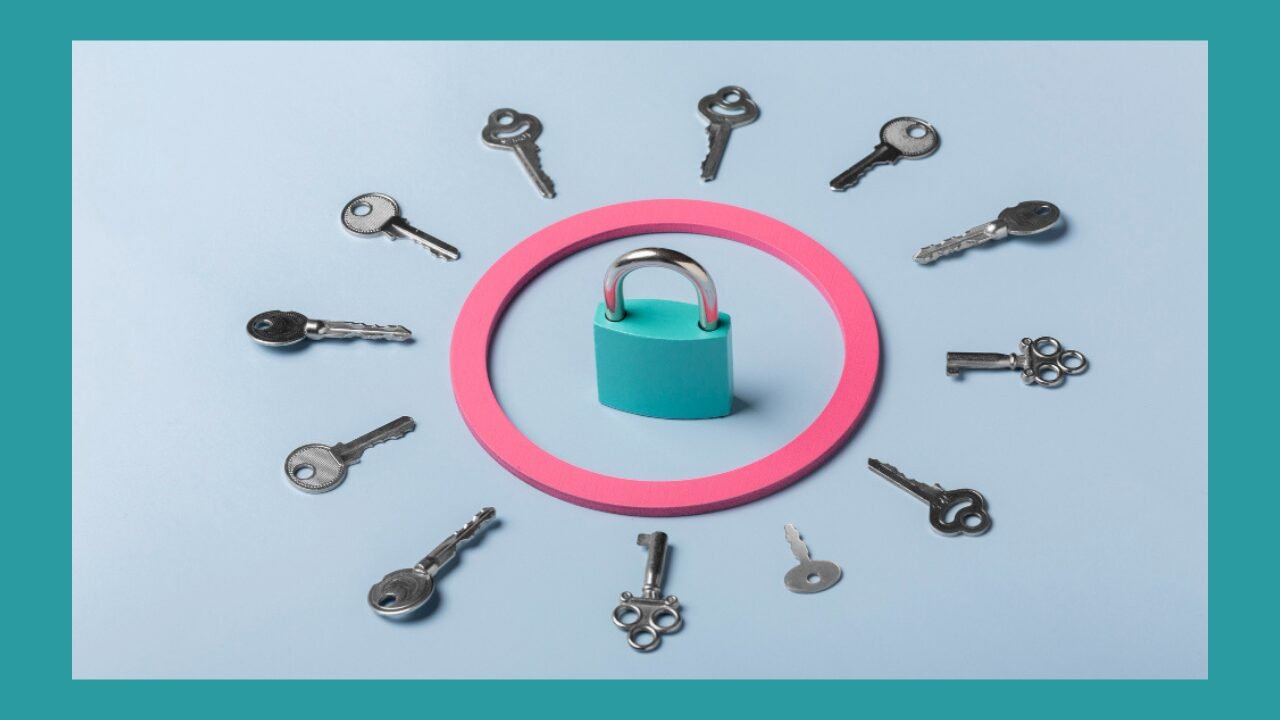
Welcome to our comprehensive guide on padlocks. A padlock is a portable and versatile lock used to secure everything from a gym locker to a storage unit. This guide provides essential information to help you understand, select, and maintain the right padlock, ensuring you can confidently protect your belongings.
Anatomy of a Padlock
At its core, a padlock is a detachable lock that uses a hinged or sliding U-shaped bar, known as a shackle, to secure an object. Unlike a built-in door lock, its portability is its key feature.
A padlock consists of two primary parts:
- Body: This is the solid casing, typically made of steel, brass, or another durable metal, which houses the locking mechanism.
- Shackle: A U-shaped bar that opens and closes to secure items. The shackle’s material and thickness are critical to its resistance against cutting or prying.
The internal locking mechanism is what determines how the padlock operates. The two most common types are:
- Pin-Tumbler: This classic mechanism uses a set of pins of varying lengths. A specific key aligns these pins perfectly, allowing the lock to open. The complexity of the pin arrangement dictates its security level.
- Combination: This keyless mechanism uses a series of rotating dials. When aligned to a preset code, the lock releases.
The Three Main Families of Padlocks
Padlocks are categorized by their unlocking method. Each family presents a distinct set of advantages and use cases.
1. Keyed Padlocks: The Traditional Standard
Keyed padlocks are the industry workhorse, offering proven reliability. They are available in several configurations:
- Keyed-Different (KD): Each lock has a unique key. This is the standard for personal security.
- Keyed-Alike (KA): A set of locks is manufactured to be opened by the same key. This is ideal for securing multiple points (such as several gates on a property) without requiring a large set of keys.
- Master-Keyed (MK): Each lock has its own unique key, but a single “master key” can override and open all locks in the system. This is a standard solution in commercial and institutional settings for tiered access.
- Best for: General-purpose to high-security needs where proven reliability is crucial.
- Pros: Enormous variety in size and security level. High-security models feature restricted keyways that prevent unauthorized key duplication.
- Cons: The key is a single point of failure. If lost or stolen, the security is compromised.
2. Combination Padlocks: The Convenience of Keyless
Combination padlocks eliminate the need for a physical key, relying instead on a memorized code. They range from simple three-dial locks for luggage to robust, heavy-duty models for gates.
- Best for: Scenarios involving shared access (gym lockers, sheds, toolboxes) or for anyone who prefers not to carry keys.
- Pros: Excellent convenience. Resettable models allow you to change the code as needed—no risk of losing a key.
- Cons: The code can be forgotten. Simple codes (like 1-2-3-4 or birthdays) can be easily guessed. The mechanism on cheaper models may be less robust than that of a quality keyed lock.
3. Smart Padlocks: Security in the Digital Age
The latest evolution in padlock technology, smart locks integrate electronics to offer unparalleled convenience and control. They typically use Bluetooth to connect to a smartphone app that serves as the key. Advanced models may also feature fingerprint scanners (biometrics) or NFC/Wi-Fi connectivity.
- Best for: Tech-savvy users who want remote access control, activity logs, and the ability to grant temporary access to others without physically being present.
- Pros: The ability to unlock remotely, share digital “keys” with family or workers for specific time periods, and maintain a log of every time the lock is opened.
- Cons: They depend on a power source (typically rechargeable or replaceable batteries). They introduce digital security risks, including the risk of hacking, making it crucial to choose a reputable brand with strong encryption.
Security Ratings: How to Measure Strength
To help consumers quantify a padlock’s strength, independent organizations have developed security rating systems. The most respected grading system is the CEN (European Committee for Standardization) grading system, which rates locks on a 1-6 scale.
- CEN Grade 1-2: Low security, for general household use.
- CEN Grade 3: Medium security, suitable for sheds or gates in low-risk areas.
- CEN Grade 4: High security, offers good resistance to determined attacks. Ideal for high-value assets such as motorcycles or business premises.
- CEN Grade 5: Very high security, designed to resist experienced attackers with a range of tools.
- CEN Grade 6: Maximum security, for critical applications like securing high-value goods in storage or transit.
When choosing a lock, always look for a CEN rating or a comparable certification standard (e.g., ASTM). This grade tells you far more about the lock’s true strength than marketing claims.
How to Choose the Perfect Padlock for Your Needs
- Define Your Risk: First, assess the value of the items you are protecting and the environment in which they are located. Securing a simple toolbox in a locked garage requires a different solution than protecting a $10,000 trailer parked in an unsecured lot. The rule of thumb is that the lock should be worth about 10% of the value of the items it protects.
- Select the Right Type: Match the lock’s features to your lifestyle. Do you need to grant access to others? A combination or smart lock is best. Are you securing something in a harsh marine environment? A stainless steel keyed lock is a reliable choice.
- Prioritize Weather Resistance: For outdoor use, weather resistance is just as important as physical strength. Look for stainless steel or brass bodies, rubberized covers that protect the locking mechanism from water and ice, and internal drainage channels that prevent water from pooling.
- Check the Technical Specifications: Don’t just look at the lock—look at its specs. Check the CEN grade, shackle material (look for boron alloy), shackle diameter, and the type of locking mechanism (disc detainer is superior to pin tumbler).
READ MORE
Maintaining Your Padlock for Longevity
A quality padlock can last a lifetime with minimal care.
- Clean Regularly: Wipe away dirt and grime from the body and shackle. Use compressed air to blow out dust and debris from the keyway or combination dials, as this is the most common cause of a “stuck” lock.
- Lubricate Correctly: Once a year, apply a dry, long-lasting lubricant formulated for locks, such as a PTFE- or graphite-based spray. Crucially, avoid using wet lubricants like WD-40 or oil, as they attract dust and can gum up the delicate internal pins over time.
- Handle a Frozen Lock with Care: In cold climates, locks can freeze. Never force a frozen key. Use a commercial lock de-icer spray or gently warm the lock body with a hairdryer to thaw the mechanism.
- Store Properly: When not in use, keep your padlocks in a clean, dry place to prevent corrosion and ensure they are ready when you need them next.