
Rail Operating Centre (ROC): Role, Functions, & Benefits
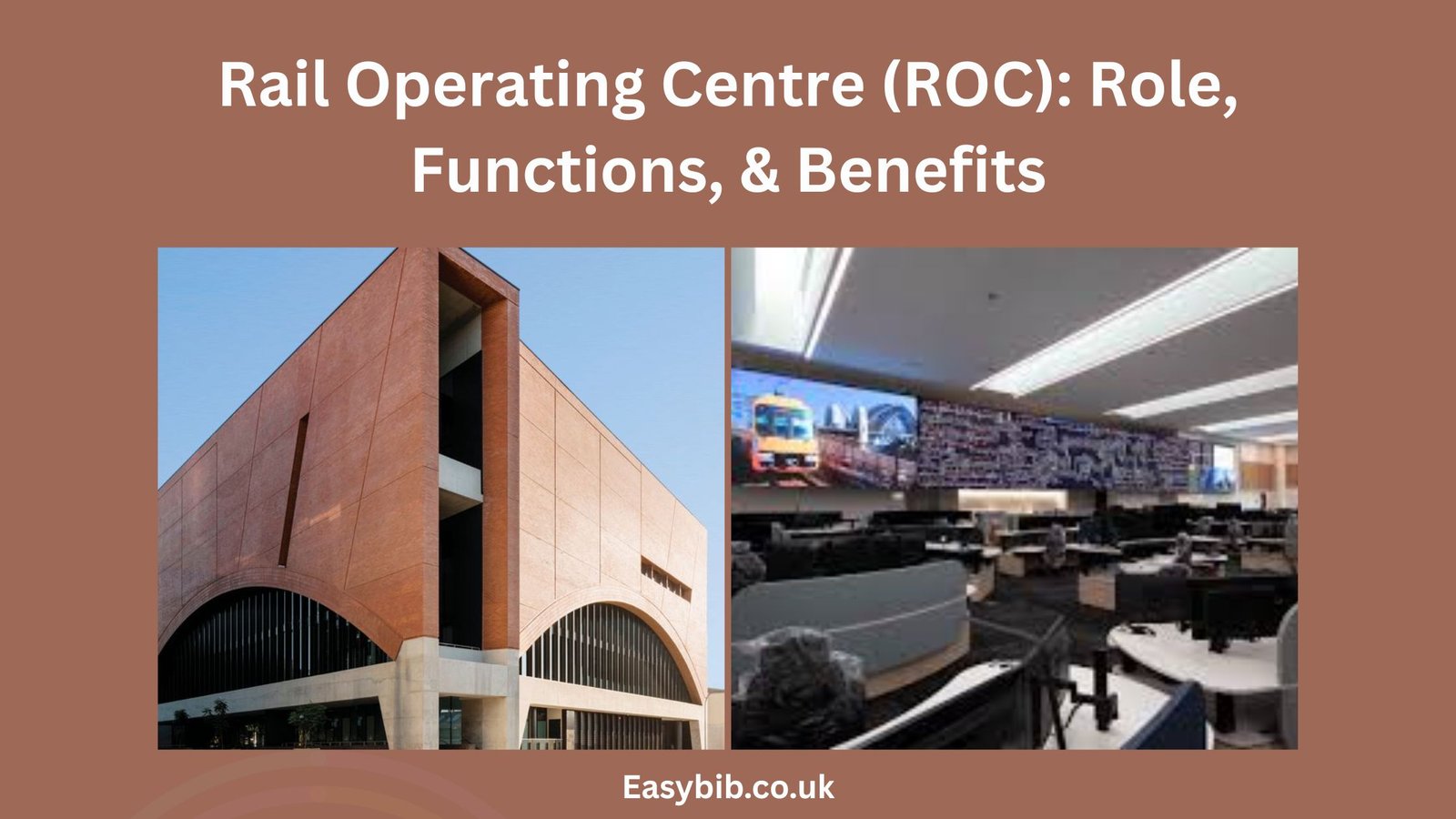
A Rail Operating Centre, commonly known as an ROC, is a modern and highly advanced facility that manages and controls railway operations over a large geographic area. It acts as the central brain of the railway network. All major operational activities are brought together in one secure and purpose-built location. This includes train signalling, route setting, traffic management, communication, and real-time monitoring. The main goal of an ROC is to replace hundreds of small, outdated signal boxes with a few powerful centres that use digital technology.
Rail Operating Centres are designed to operate continuously. They work twenty-four hours a day, every day of the year. It also allows faster responses to incidents and disruptions. As rail networks grow more complex, the role of the ROC becomes increasingly important.
Purpose and Objectives of a Rail Operating Centre
The primary purpose of a Rail Operating Centre is to ensure the safe and efficient movement of trains. It provides central control over signals, points, and routes. This reduces the risk of human error. It also removes the need for manual coordination between many separate locations.
Another key objective is operational efficiency. By having a complete view of the network, operators can manage train paths more effectively. They can balance traffic during busy periods. They can also reduce delays by taking early action when problems appear. This leads to better timekeeping and improved service quality.
Rail Operating Centres also aim to support long-term railway development. They create a strong foundation for future technologies. These include digital signalling, automated traffic management, and smarter maintenance planning.
Development and Evolution of Rail Operating Centres
Traditional Railway Control Systems
In traditional railways, signalling was controlled by mechanical or relay-based signal boxes. Each box covered a small section of track. Signallers relied on physical levers and local knowledge. Communication between boxes was often slow. This limited the ability to manage large-scale disruptions.
As rail traffic increased, these systems became harder to maintain. They required large numbers of staff. They were also expensive to upgrade. This created the need for a more modern approach.
Shift to Centralised Digital Control
Rail Operating Centres were developed as part of a move toward digital railway systems. Computer-based signalling replaced mechanical equipment. Central control rooms replaced local signal boxes. This allowed one centre to manage hundreds of miles of track.
Digital systems made operations more flexible. Routes could be changed quickly. Information could be shared instantly. This marked a major step forward in railway management.
Core Components of a Rail Operating Centre
Advanced Signalling Technology
Signalling systems are the foundation of every Rail Operating Centre. These systems control train movements by managing signals and track points. They ensure trains remain safely separated at all times. Modern signalling is computer-based and highly automated.
Operators interact with signalling systems through large screens and control panels. These displays show track layouts, train positions, and signal states. The systems are designed to fail safely. This means they default to a safe condition if a fault occurs.
Traffic Management Systems
Traffic management systems help optimise train movements across the network. They use real-time data to monitor train progress. They can predict conflicts and congestion before they happen. This allows operators to adjust plans early.
These systems are especially valuable during disruptions. They help decide which trains should be prioritised. They also suggest alternative routes or revised timetables. This reduces the impact on passengers and freight customers.
Real-Time Monitoring and Data Systems
Rail Operating Centres rely on constant data flow from the railway. Sensors track train locations, speeds, and track conditions. This information is displayed instantly in the control room. Operators can see what is happening across the entire network at any moment.
Real-time monitoring improves safety and awareness. It also supports faster decision-making. Problems are detected early. Action can be taken before issues escalate.
Communication and Coordination Tools
Strong communication systems are critical in an ROC. Operators must communicate clearly with train drivers, stations, maintenance teams, and emergency services. This is done through secure voice channels and digital messaging systems.
Effective communication ensures instructions are delivered accurately. It also supports coordinated responses during incidents. This reduces confusion and improves safety.
READ MORE
How Rail Operating Centre Functions Day to Day?
A Rail Operating Centre operates through structured teamwork. Each operator has a defined role and area of responsibility. Some focus on signalling control. Others manage traffic flow or incident response. Supervisors oversee operations and provide guidance.
During normal conditions, work focuses on monitoring and routine control. Trains follow planned timetables. Systems support smooth and predictable operation. Operators remain alert at all times.
When disruptions occur, activity increases rapidly. Operators assess the situation. They adjust signals and routes. They communicate with drivers and other teams. All decisions are made with safety as the highest priority.
Key Functions of a Rail Operating Centre
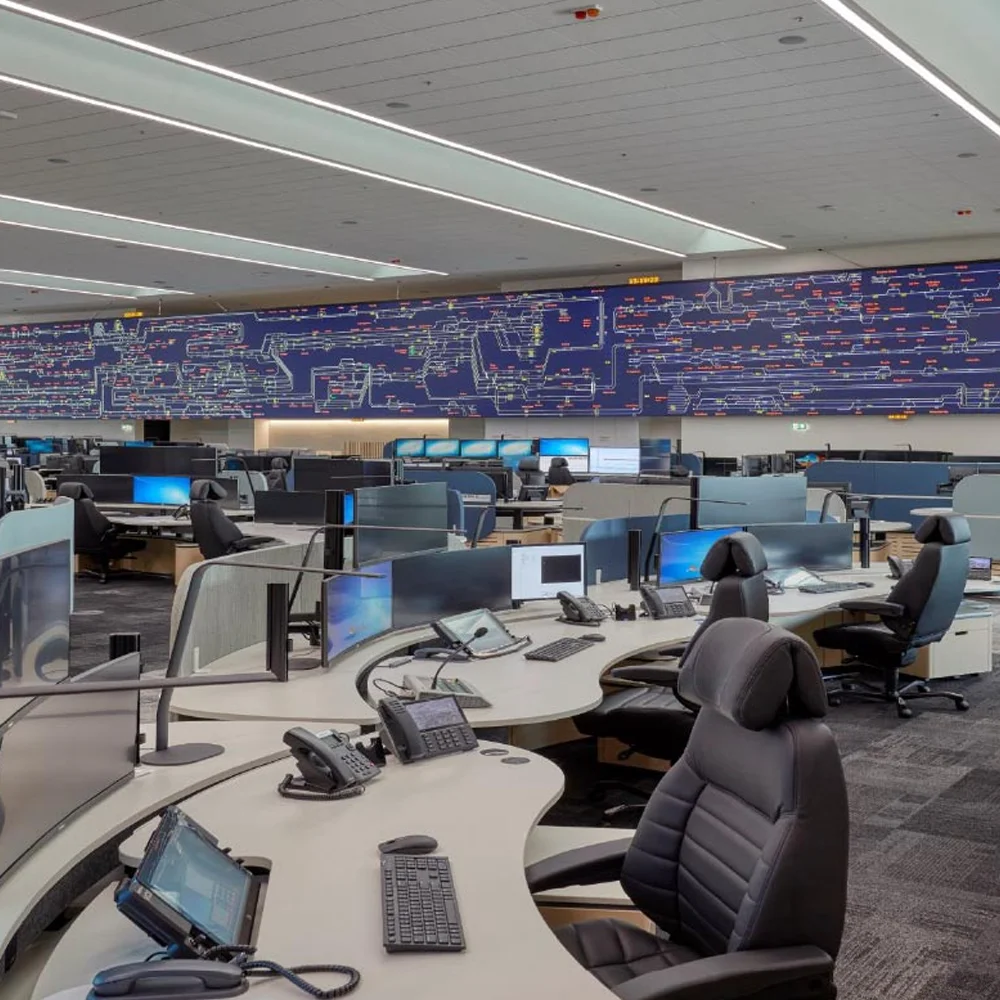
Train Movement and Route Control
Controlling train movements is the core function of an ROC. Operators set routes and clear signals. They ensure trains move safely through junctions and stations. This function is essential for daily railway operation.
Incident and Emergency Management
Rail Operating Centres play a central role in managing incidents. These may include equipment failures, accidents, or severe weather. Operators coordinate responses across the network. They work with maintenance crews and emergency services.
Central control allows consistent decision-making. It also helps restore normal service more quickly. Passenger safety remains the top priority at all times.
Maintenance Planning and Network Access
Maintenance is vital for a safe railway. Rail Operating Centres help plan and manage maintenance activities. They schedule track access carefully. They ensure trains are safely routed around work sites.
During maintenance, operators monitor conditions closely. They manage any unexpected issues. This helps keep disruption to a minimum.
Passenger Information and Service Support
Rail Operating Centres support passenger information systems. Accurate operational data is shared with stations and digital platforms. This allows real-time updates on delays and changes.
Good information improves the passenger experience. It reduces uncertainty and frustration during disruptions.
Benefits of Rail Operating Centres
Rail Operating Centres bring significant benefits to rail networks. They improve safety through advanced systems and central oversight. They increase efficiency by reducing duplication of roles and equipment.
Centralised control improves reliability and punctuality. It allows faster responses to problems. It also supports better planning and investment decisions. These benefits make ROCs essential to modern railways.
READ MORE
Challenges in Implementing Rail Operating Centres
The transition to Rail Operating Centres is complex. Old systems must be replaced carefully. Staff require extensive training to adapt to new technology. There are also high initial costs for construction and equipment.
Cybersecurity is an increasing concern. Digital systems must be protected against threats. Strong safeguards are essential to maintain safe and reliable operations.
Future Role of Rail Operating Centres
The future of Rail Operating Centres lies in greater automation and intelligence. Advanced analytics will help predict disruptions before they occur. Systems will become more proactive rather than reactive.
Human expertise will remain critical. Technology will support, not replace, skilled operators. Together, they will deliver safer, more reliable, and more efficient railway services.
Conclusion
A Rail Operating Centre is the cornerstone of a modern railway system. It centralises control and uses advanced technology to manage complex operations. It improves safety, efficiency, and reliability across the network. As railways continue to evolve, Rail Operating Centres will play an even greater role. They will remain essential to delivering high-quality rail transport for the future.