
Most Common Type of Walker for Seniors: What You Should Know
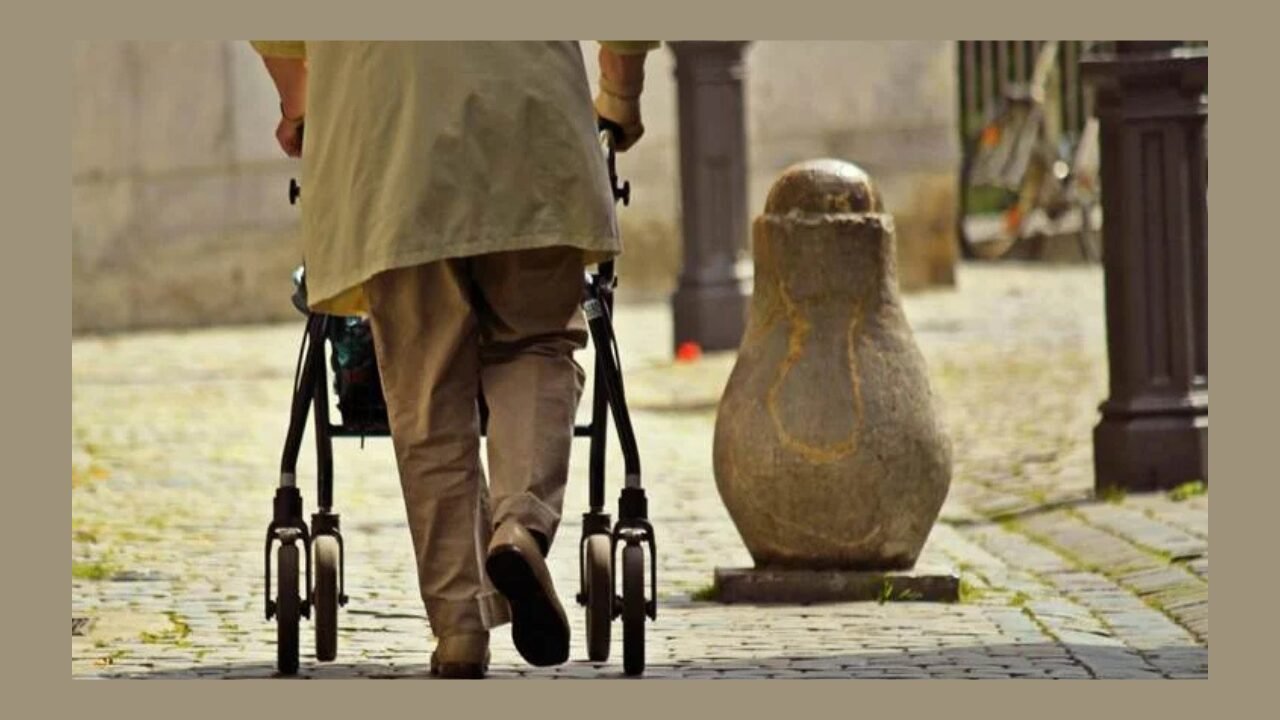
Seniors often need extra support when walking. A walker can make moving safer and easier. There are different types for different needs. Choosing the right one helps prevent falls.
The wrong type can be uncomfortable or hard to use. Knowing the options makes picking the best one easier.
This guide shows what to know about the most common type of walker for seniors.
Standard Walkers for Basic Support
Standard walkers are simple, lightweight frames with four legs. They provide strong support for seniors who need extra stability. These walkers require lifting with each step, which may be tiring for some users.
They work best on flat, smooth surfaces. Seniors with moderate mobility issues often start with a standard walker. Understanding how to use it properly helps ensure safety and prevent falls.
Two-Wheeled Walkers for Easier Movement
Two-wheeled walkers have wheels on the front legs to help glide forward. They reduce the need to lift the walker completely. This design makes moving easier for seniors with limited arm strength.
The back legs still provide stability and prevent slipping. Two-wheeled walkers are ideal for indoor and outdoor use. Knowing when to use this type helps seniors conserve energy and stay safe.
Four-Wheeled Walkers with Seats
Four-wheeled walkers, sometimes called rollators, have wheels on all legs and a built-in seat. They allow seniors to rest when needed while staying mobile. Hand brakes provide extra safety when stopping or going downhill.
This type works well for those who walk longer distances. The seat adds convenience during errands or outings. Choosing a walker with adjustable height ensures proper posture and comfort.
Folding Walkers for Easy Storage
Folding walkers can collapse for storage or transport. They are convenient for seniors who travel or need to store their walker in small spaces. Folding walkers can be standard or wheeled types.
They offer similar support while adding portability. Users should practice opening and closing safely to avoid pinching fingers. A folding walker is practical for both home and travel use.
Walkers for Special Needs
Some walkers are designed for specific health conditions or physical limitations. These may include additional wrist support or extra cushioning on the handles. Seniors healing after surgery or coping with ongoing pain can benefit greatly.
Understanding these features ensures better mobility and comfort. Safety checks and adjustments are essential before regular use. Talk to a healthcare professional to match the walker to the senior’s needs.
Choosing Walkers for Seniors
Knowing the five walker types for seniors helps narrow down options. Each type serves a different level of mobility and lifestyle. Consider the senior’s strength, balance, and daily activities when making the choice.
Trying out a walker in a safe environment shows what works best. Adjustments in height and handle position improve safety and posture. Making the correct choice supports independence and reduces the risk of falls.
READ MORE
You Might Need the Most Common Type of Walker for Seniors
Selecting the proper walker for a senior improves safety, comfort, and confidence. Understanding the main types ensures informed decisions. Each walker design addresses specific mobility needs.
Using it regularly can make everyday tasks more straightforward and more enjoyable. Always check for proper fit and maintenance. Encourage seniors to practice using the walker in a safe area. The right walker helps maintain independence and mobility.
For other topics, visit our blog.