
Diuretics: Types, Uses & Natural Remedies for Fluid Balance

A diuretic is a substance that helps the body remove excess water by increasing urine production. This process takes place in the kidneys, which are responsible for filtering blood and maintaining the balance of fluids and minerals. When extra water is retained in the body, it can cause swelling, raise blood pressure, and place additional strain on the heart and blood vessels.
Diuretics are commonly used in medical treatment for conditions linked to fluid retention. These include high blood pressure, heart failure, kidney disease, and liver disorders. In addition to prescription medications, some diuretics occur naturally in plants and foods.
How Diuretics Work Inside the Body?
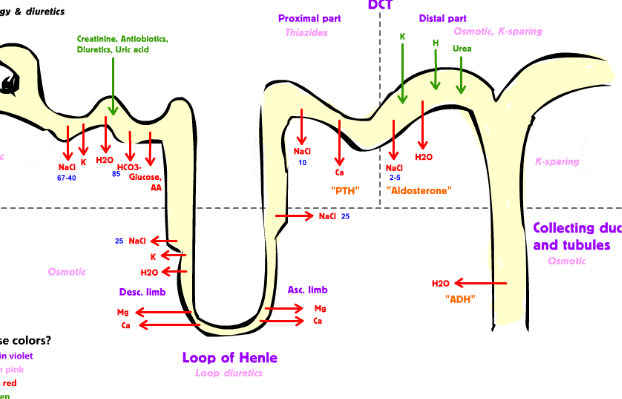
The kidneys play a central role in the action of diuretics. Under normal conditions, kidneys filter blood and reabsorb substances the body needs, including sodium and water. This process helps maintain stable blood volume and pressure. Diuretics interfere with this mechanism by reducing sodium reabsorption in different parts of the kidney. When sodium remains in the urine instead of returning to the bloodstream, water follows it out of the body.
As urine output increases, the amount of fluid circulating in the blood decreases. This reduction helps lower blood pressure and decreases swelling in tissues. The heart benefits from this effect because it has less fluid to pump, which reduces workload and stress. The exact effect of a diuretic depends on its type, strength, and the part of the kidney it targets.
Main Types of Diuretics
Loop Diuretics
Loop diuretics are the most powerful type of diuretic medication. They act on a section of the kidney known as the loop of Henle, which is responsible for reabsorbing a large portion of sodium and water. By blocking this process, loop diuretics cause rapid and significant fluid loss. Because of their strong effect, they are often used in serious medical situations where quick removal of excess fluid is necessary.
Doctors commonly prescribe loop diuretics for conditions such as heart failure, severe swelling, kidney disorders, and fluid buildup in the lungs. These medications are very effective, but they must be used carefully. They can cause the loss of important minerals, especially potassium, which is essential for normal muscle and heart function. For this reason, patients using loop diuretics usually require regular medical monitoring.
Thiazide Diuretics
Thiazide diuretics provide a more moderate and gradual diuretic effect. They work in a different part of the kidney tubules and remove water at a slower pace compared to loop diuretics. These medications are widely used to manage high blood pressure and mild fluid retention. Their steady action makes them suitable for long term daily use.
In addition to reducing fluid volume, thiazide help relax blood vessels, which further supports blood pressure control. Many patients tolerate these well when taken as prescribed. However, they can still affect electrolyte levels, so periodic monitoring is important.
Potassium-Sparing Diuretics
Potassium-sparing diuretics remove excess water while helping the body retain potassium. They act on the final sections of the kidney tubules, where potassium balance is regulated. These diuretics are often used together with loop or thiazide diuretics to reduce the risk of low potassium levels.
By preserving potassium, these diuretics support healthier muscle and heart function. Their diuretic effect is usually mild on its own, but they play an important role in combination therapy. Medical supervision is still necessary, especially for people with kidney problems or those taking other medications that affect potassium levels.
Natural Diuretic: Explanation and Role
A natural diuretic is a substance derived from plants, herbs, or certain foods that gently increases urine production. These substances work more slowly and mildly compared to prescription diuretics. Many people use natural diuretics as part of a healthy lifestyle to support fluid balance and reduce mild water retention.
Natural diuretics do not treat serious medical conditions. Instead, they support the body’s natural detox and fluid regulation processes. They are commonly found in herbal teas, dietary supplements, and everyday foods. While they are generally considered safe, moderation is still important to avoid dehydration or mineral imbalance.
READ MORE
Common Natural Diuretics
Dandelion
Dandelion is widely known for its natural diuretic properties. It supports kidney function and promotes gentle urine flow. Unlike some medical diuretics, dandelion contains minerals that help reduce the risk of imbalance. It is often used in teas and supplements designed for fluid support.
Nettle
Nettle has a long history of use in herbal medicine. It supports urinary tract health and helps the body eliminate excess water. Nettle is commonly consumed as a tea or in capsule form and is valued for its mild yet consistent effect.
Parsley
Parsley acts as a gentle natural diuretic by supporting kidney activity and fluid movement. It is widely used in cooking and can also be consumed as a tea or supplement. Its effect is mild, making it suitable for short term use.
Green Tea
Green tea contains caffeine and beneficial plant compounds. Caffeine has a mild diuretic effect, which increases urine output slightly. Regular consumption of green tea can support fluid balance while also providing antioxidant benefits.
Uses of Natural Diuretics in Daily Life
It used to manage mild water retention and bloating. People may use them during periods of hormonal changes, dietary shifts, or reduced physical activity. Athletes sometimes use natural diuretics temporarily to adjust water balance before events, although careful hydration is still necessary.
Because their effects develop gradually, natural are best used consistently and in moderation. Adequate water intake remains important to support kidney function and overall health.
READ MORE
Safety and Precautions
All diuretics influence the balance of water and minerals in the body. Excessive or improper use can lead to dehydration and electrolyte imbalance. Symptoms such as dizziness, weakness, or fatigue may appear if fluid loss becomes too great.
Prescriptions should always be used under medical guidance. Natural diuretics, while milder, should also be used responsibly. People with heart, kidney, or liver conditions should consult a healthcare professional before using any diuretic regularly.
Conclusion
Diuretics play an important role in managing fluid balance in the body. Medical are essential for treating serious conditions related to fluid retention and blood pressure. Loop provides strong and rapid action, while thiazide and potassium-sparing diuretics offer more controlled and long term support.
Natural provides gentle assistance for everyday fluid balance and wellness. When used correctly, both medical and natural can support health and comfort while maintaining the body’s delicate fluid regulation system.