
The Native Ad Strategy That’s Actually Working for Affiliate Campaigns Right Now
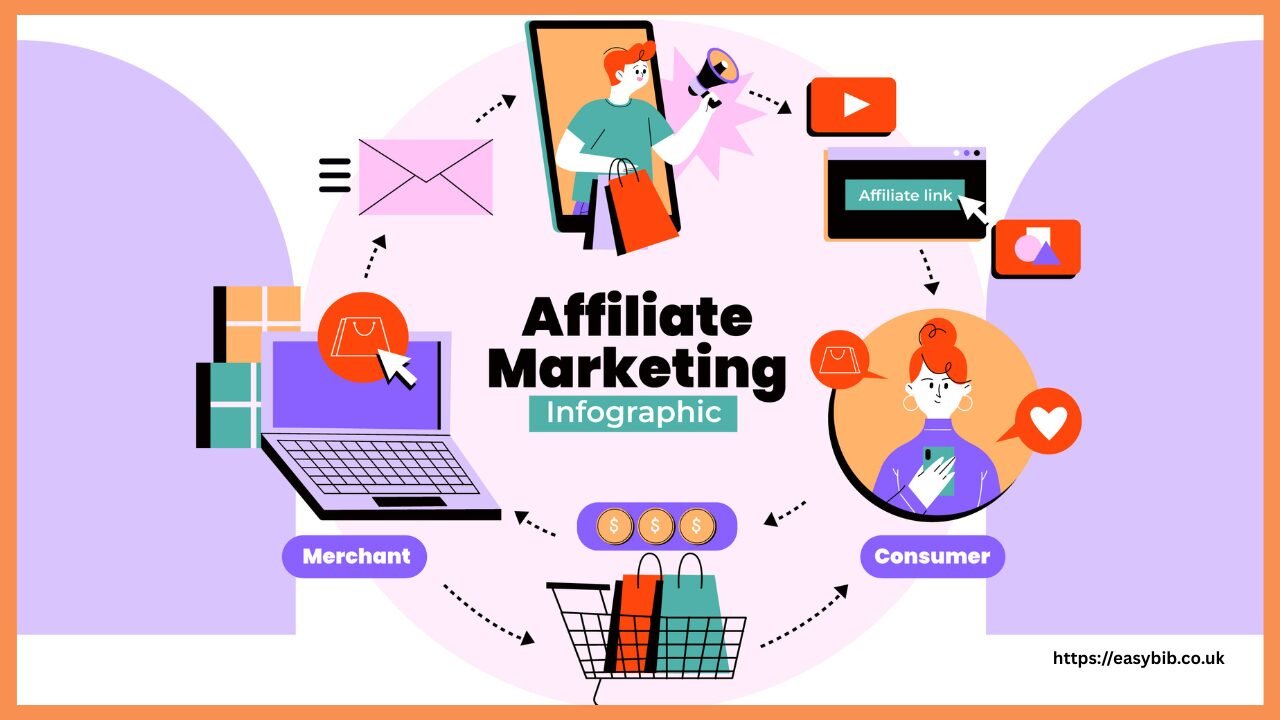
Affiliate marketing’s always been a delicate balance between visibility and annoyance, clicks and desperation, and enough trust that someone ultimately buys something and you still get your cut, despite them knowing it, of course.
For years, marketers relied on affiliate marketing through pop-up ads, banners, and email blasts. Some of that still works. But let’s be real, people have been conditioned to avoid banners by now. They’ve gotten good at skipping right over those rectangular ads without even acknowledging them. If you’re still running your campaigns the way you did three years ago, it’s showing in your numbers because the old playbook no longer works as well.
Native ads changed the game by doing one simple yet powerful thing: they stopped being ads. They no longer disrupt what someone is reading or watching; instead, they blend into the content experience. It’s a slight shift in perception that makes a world of difference in reception, especially when promoting affiliate offers that require a little more buy-in before someone reaches for their credit card.
Why Native Ads Are Better for Affiliate Offers
In affiliate marketing, what’s most untrustworthy about display ads is the leap of faith required to proceed. Someone sees a product in a pop-up ad, becomes intrigued, clicks through, and that’s it. They land on the sales page and see a hard pitch with no other relationship or context. They bounce.
Native ads appeal to this need for immediate gratification by meeting people where they are, in the middle of the content they’re already consuming. A well-positioned native ad does not feel like a hard pitch and instead becomes seamlessly integrated with an article, video, or social feed. The context here is a lot more valuable than most marketers realize.
Affiliate marketing doesn’t merely require traffic; it requires additional traffic that makes sense. People need to give you at least the benefit of the doubt before immediately turning off because they’re being sold to. That’s where native ads in affiliate marketing come in, to create a softer call to action that doesn’t trigger someone’s mental ad blockers immediately.
The format offers far richer storytelling than a simple banner shouting “Buy Now!” Native ads can hint at the message, pose a question tied to the solution, or open with a testimonial-style line that naturally draws readers in without making them feel sold to. This subtle approach is what transforms an ordinary click into genuine engagement and real value.
The Creative Element That Creates Successful Campaigns
People pay more attention to things that sound authentic than to things designed to look good in ads. The best-performing native ad campaigns in affiliate marketing right now don’t look like they’ve been run by corporate teams trying to sell hard; they look like they’ve been run by humans who actually needed the services/products being offered and decided to share their findings.
Why? Because when people are scrolling through a home-news site or content site, what do they see? They see things that don’t look like ads. They see people who sound like they’ve actually written what they’re pitching, rather than someone trying too hard. For example, instead of “Revolutionary Weight Loss Solution” (which implies you should buy something), try something more human: “This is the only thing that actually helped me lose 15 pounds.”
One sounds like someone who’s trying to sell you something. The other sounds like someone is sharing their experience. The first one is annoying readers without value. The second encourages engagement because it doesn’t sound like a sale, though technically it is.
Creative also needs to sound appropriate among the platforms. A native ad on a finance homepage should sound different from one on a lifestyle blog. The tone should differ along with the language and images used. If there’s a disconnect or poor alignment between platforms and native ads, people will notice it immediately, and effectiveness drops significantly.
Placement Strategy and Timing
Placement of native ads matters just as much as their positioning. Not all native placements are made equal, so trying to blanket as many as possible is not an effective strategy. Instead, it’s wise for affiliate marketers to focus on platforms and publishers where they know their target audience is already spending time engaging with purposeful content.
For example, people looking for products often visit content-based platforms, blogs, and news sites, where recommendation widgets function as editorial features, naturalizing the discovery and viewing experience. The consumer mindset is already functioning, reading, learning, exploring. This is where the native ad makes sense: it gives an affiliate offer little pressure and instead positions it helpfully.
Timing also matters: if people are busy consuming content on financial planning strategies and then receive an email about budgeting tools (that’s not even on topic), it falls flat; however, if they’re reading an article about budgeting hacks, a native ad for budgeting tools makes sense. If they’ve been browsing travel content and are presented with an affiliate offer for luggage or travel booking deals, this again demonstrates contextual relevance.
Additionally, one mistake some marketers make is buying too much native inventory too quickly. It’s better to test a few quality placements first and optimize them before expanding. Where did they perform best? Who drove more conversions and not just clicks? A reasonable click-through rate means nothing if people don’t follow through and convert into commission.
Testing And Optimization That Matter
If you’re running native ads for affiliate campaigns now across the board, you need testing and optimization opportunities that aren’t one-off, set-and-forget. The best campaigns that play out over time are the best-tested campaigns that get real insight based on active substantiation, not speculation.
For example: test headlines first. Sometimes changing one word can make all the difference, moving mediocre click-through rates into something substantial for affiliates championing offers and seeking conversions. Try different angles that focus on better solutions or emotional tie-ins. Sometimes, a marginal gain is all a mediocre campaign needs to become profitable.
Images matter as well, since native ads often include a thumbnail or hero image; they need to grab attention without looking out of place. Test those images as well, and ensure there’s a consistent connection between image-driven compelling factors and the final landing pages. Which ones worked best? What visuals drove better engagement? Based on tracking results, effective images should be reused.
Finally, valuable knowledge is too often lost on landing pages. The opportunity is lost when there is no transition from ad to page, or when the messaging is not relevant to the continuity. Ensure that whatever was promised by the hooking sentiment that brought someone over comes through successfully; otherwise, people will bounce quickly if they feel duped.
READ MORE
The Long-Term Benefit
Native ads will become a necessary part of sustained campaigns. It’s clear from consistent use over time that they work for affiliate marketers, especially in an age when ad blockers are becoming more sophisticated, and consumer trust in traditional advertising formats is declining.
Once you find your winning native ad campaigns, you can expand your efforts across multiple platforms/publishers without reinventing the wheel. The same core strategy applies, seamlessly blending in to build subsequent campaigns across different venues that may differ slightly but not substantially from the overall stance.
What works now is innovative, creative development with strategic placement and post-fact testing optimization. It’s not about jumping on every new trend to try to game the system; it’s about understanding how people consume content and meeting them with something genuinely worthwhile.
Thus, affiliate marketers can survive through what’s working right now when their traffic doesn’t feel forced but rather additionally valuable within compounded efforts within integrated processes that meet user intent along the way from discovery to conversion for effective performance each step of the way. It will continue to work as digital spaces evolve rapidly.